


Self-cleaning mattress technologies: ozone, UV, silver ion; which is more effective?
Millions of dust mites may be harboring in the mattress where you spend 7-8 hours every night. Self-cleaning mattress technologies approach this problem with different methods, and the differences between them are quite decisive for sleep hygiene.
Table of Contents
- What is self-cleaning mattress technology?
- How does ozone technology work?
- What is UV technology and how effective is it?
- How does silver ion technology work?
- Which technology is more effective: a comparative look
- Who are these technologies suitable for?
- Frequently asked questions
What is self-cleaning mattress technology?
From the day it is purchased, a traditional mattress begins to accumulate moisture, body heat, and organic waste. It is estimated that within two years, a mattress can accumulate up to ten percent of its weight in dust mites, skin dander, and moisture-related contaminants.
Self-cleaning mattress technologies use active hygiene systems integrated into the mattress interior or surface to prevent this accumulation. There are three main methods: ozone-based systems, UV light application, and silver ion coating. Each works with a different mechanism and provides a different level of protection.
How does ozone technology work?
Ozone (O3) is a triatomic form of the oxygen molecule. As a powerful oxidant, ozone destroys the cell membranes of bacteria and dust mites, neutralizing them.
In mattress applications, ozone is used in two ways:
- A system integrated into the mattress produces ozone gas at specific intervals and delivers it to the foam layers.
- An external ozonator device is placed near the mattress and initiates periodic cleaning cycles.
SlothBedding Air Clean mattresses are based on the first method. The system keeps the interior of the mattress continuously active, cutting off bacterial and mite growth at the source. This approach is a world first in the mattress industry as of 2026.
The advantage of ozone is that it can penetrate as deep as the foam layers. While UV or silver ion methods usually remain on the surface, ozone reaches deep into the mattress. However, high concentrations of ozone should not be inhaled; well-designed systems use controlled dosages to eliminate this risk.
What is UV technology and how effective is it?
UV-C rays are electromagnetic radiation with a wavelength of 200-280 nanometers. They disrupt the DNA structure of bacteria and viruses, stopping their reproduction. It is widely used in hospital sterilization processes and water treatment systems.
In mattress cleaning, UV technology appears in two forms:
- Handheld UV devices: small devices moved manually over the mattress surface.
- Over-mattress UV systems: larger apparatuses designed to scan the entire surface of the mattress.
The limitation of UV is clear: the light cleans only the surface it directly touches. It cannot penetrate the inner layers of the mattress, the gaps in the foam, or the fabric weave. Therefore, UV is useful for surface hygiene but is not sufficient on its own.
Furthermore, direct exposure of skin and eyes to UV-C rays is harmful. Humans and pets should not be in the room during use.
How does silver ion technology work?
Silver ions (Ag+) bind to the bacterial cell wall and collapse their metabolic processes. Frequently used in the textile industry for products like socks, underwear, and bed linens, this technology works by applying a coating containing silver ions to fabric fibers.
Key features of silver ion coating:
- It has been shown in laboratory conditions to suppress bacterial growth by up to 99 percent.
- It is a passive system; it requires no energy and works only through contact.
- Its effectiveness may decrease as the number of washes increases.
Silver ion technology provides surface antibacterial protection, especially on bed linens and mattress covers. It has no direct effect on dust mites; it does not kill mites, but only fights the bacterial load. Therefore, silver ion is not sufficient on its own for a comprehensive hygiene system.
If you are looking for anti-allergic mattress models, it is necessary to pay attention to which component the silver ion coating is combined with.
Which technology is more effective: a comparative look
To clearly see the differences between the three technologies, one must look at certain criteria:
| Criterion | Ozone | UV | Silver ion |
|---|---|---|---|
| Depth effect | High | None | Low |
| Effect on dust mites | High | Medium | None |
| Bacterial reduction | High | High | High |
| Continuous protection | Yes | No | Partial |
| Ease of use | Automatic | Manual | Passive |
| Energy requirement | Yes | Yes | No |
Ozone is the only technology that covers the entire volume of the mattress. UV works only on visible surfaces; silver ion is effective in suppressing bacteria but useless against dust mites.
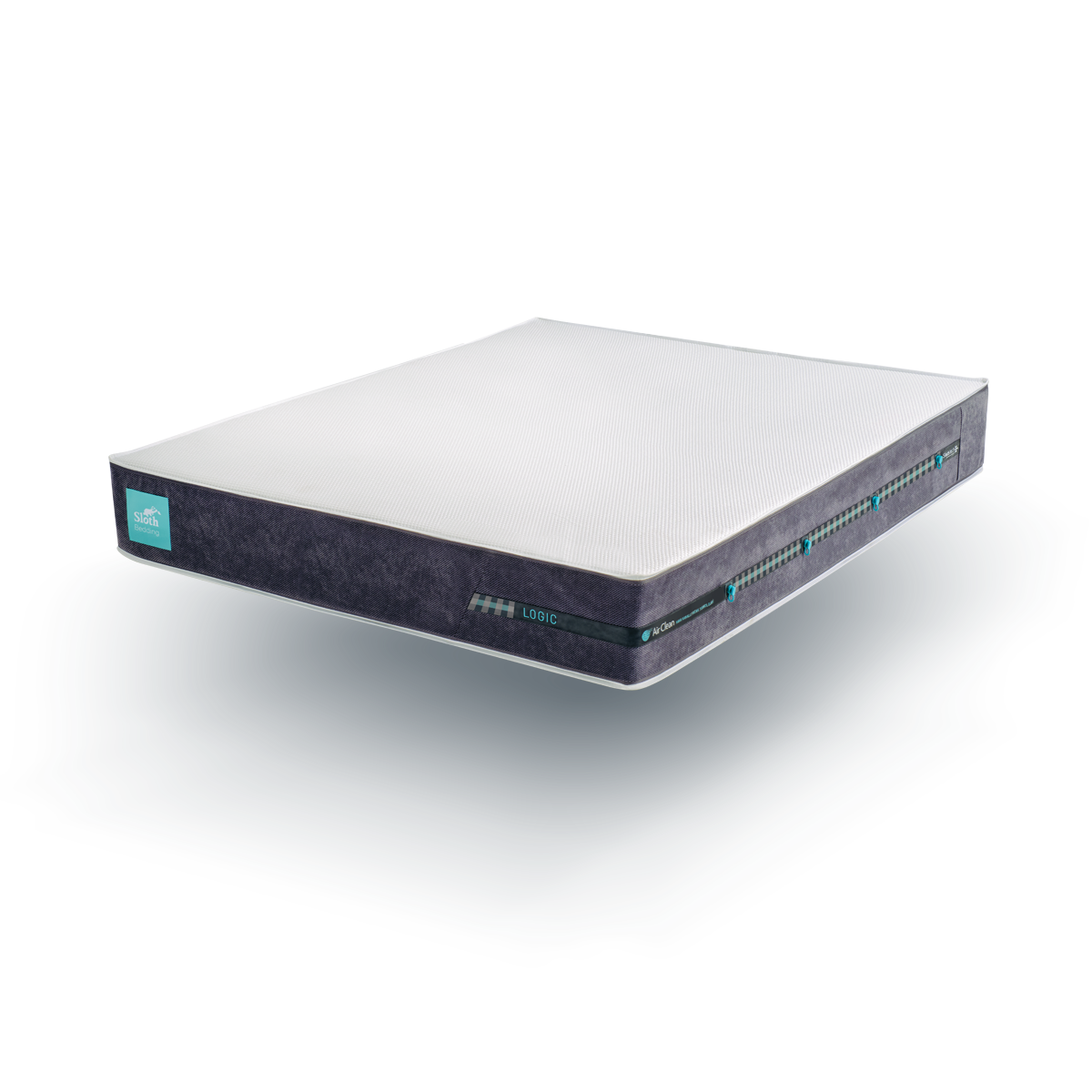
Ozone-based systems like the Reboot Air Clean Mattress provide the most comprehensive protection by addressing all three sources of problems (bacteria, fungus, dust mites) together. The Connect Air Clean Mattress and Logic Air Clean Mattress are also produced with the same technology.
However, no technology can replace regular washing of bed linens and airing out the room. The best results are obtained by combining an active hygiene system with routine maintenance.
Who are these technologies suitable for?
Self-cleaning mattress technologies can benefit everyone. But for some groups, this difference is particularly pronounced:
- Individuals with allergic constitutions: For people with dust mite allergies, ozone-based systems can reduce the frequency of symptoms.
- Asthma patients: Indoor mite load triggers asthma attacks; a comprehensive hygiene system lowers this risk.
- Infants and small children: A hygienic sleeping environment is even more important for babies whose immune systems are developing. The Logic Kids Air Clean Mattress is specifically designed for this need.
- Those with excessive sweating issues: Moisture accelerates the growth of fungi and bacteria. Ozone systems keep this risk under constant suppression.
- Elderly individuals: Since immune response weakens with age, a sleeping environment with a low bacterial load can have a positive effect on general health.
For someone who settles for a standard mattress, these technologies may seem like a luxury. But when respiratory problems, skin sensitivity, or having a baby are involved, the investment calculation changes.
Frequently asked questions
Is an ozone mattress safe?
Ozone produced in controlled dosages remains at levels that will not harm the user inside the mattress. The SlothBedding Air Clean system limits the ozone concentration so that it does not escape the mattress. It is safe to use the system while sleeping in the bed.
Does a UV device completely eliminate dust mites?
UV-C rays can neutralize dust mites on the surface they directly contact. However, since they cannot penetrate the inner foam layers of the mattress, they do not fully control the mite population.
Does the silver ion coating lose its effectiveness as it is washed?
Yes, the silver ion coating applied to textiles weakens as the number of washes increases. Manufacturers generally state that effectiveness decreases after 30-50 washes. Therefore, it is not a sufficient method on its own for long-term protection.
What is the difference between a self-cleaning mattress and a normal mattress?
A normal mattress remains passive against dust mite and bacterial accumulation. A self-cleaning mattress actively suppresses this accumulation with an integrated hygiene mechanism on a regular basis. The difference becomes apparent especially in long-term use and for individuals with allergic constitutions.
Do ozone-based systems consume energy?
Yes, an ozone generator requires a power source. However, these systems work with low-power electronic components and activate cyclically; they do not stay on continuously.
Which method should I choose for mattress hygiene?
For the most comprehensive protection, an ozone-based mattress system can be chosen. UV and silver ion can be used as additional support elements to an ozone system. For someone without allergies, a silver ion-coated bed sheet might be sufficient; but for someone with an active allergy or a baby, an ozone-integrated mattress is a more functional solution.
You can browse our product collection to see the differences between the mattress models featuring ozone-based Air Clean technology.

Share:
Choosing a Mattress for Baby Safety: Reduce the Risk of SIDS
The 8 Best Mattresses and Duvets for Hot Flashes 2026