


What Should a 0-6 Month Baby Mattress Be Like?
Choosing a mattress for newborns and babies in their first 6 months is not just about comfort; it is a vital safety matter. The right baby mattress should have features that reduce the risk of Sudden Infant Death Syndrome (SIDS), support the baby's spinal development, and facilitate breathing.
The biggest sleep problem in this period is that soft surfaces create a risk of suffocation, and insufficient air circulation disrupts the baby's body temperature, leading to restless sleep. Parents often struggle to understand which mattress is safe.
- Firm and flat surface: A baby mattress should have a completely flat and firm structure that does not sink under weight. Soft mattresses can obstruct the baby's airway if they roll onto their stomach.
- Breathable material: The mattress cover and inner filling should be produced from fabrics with high air permeability. This prevents carbon dioxide buildup around the baby and ensures temperature balance.
- Hypoallergenic and non-toxic content: Certified materials that do not contain chemical binders, flame retardants, or volatile organic compounds (VOCs) should be preferred. A baby's skin and respiratory system are extremely sensitive to these substances.
- Snug fit: The mattress should fit the crib or cot frame without any gaps; there should be no more than two fingers of space at the edges. This eliminates the risk of entrapment.
- Waterproof but quiet protection: Mattress protectors should prevent liquid leakage without being crinkly or non-breathable like plastic. Breathable, quiet, and washable protectors are ideal.
- Lightweight and portability: Especially in the first months, the baby's mattress may need to be moved to different rooms. While very heavy mattresses reduce practicality, lightweight but durable materials are useful.
- Easy-to-clean surface: Surfaces that are not polished but are stain-resistant and wipeable provide an advantage against frequent spitting up or diaper leaks.
- Temperature-regulating layers: For example, natural wool or bamboo-blended layers help the baby sleep soundly by supporting a warm environment in winter and a cool one in summer.
This mattress selection guide caters primarily to new parents, couples expecting a baby, and loved ones looking for gifts. The right mattress is the cornerstone of ensuring your baby sleeps both safely and uninterruptedly for the first 6 months.
The essence of the sleep environment you create for your baby depends on a surface that is breathable and supportive at all times.
Why Is It Important for Better Sleep?
The wrong baby mattress causes frequent nighttime awakenings, restlessness in the baby, and chronic parental fatigue, while in the worst-case scenario, it creates safety risks. Unsuitable surfaces create temperature stress in the short term and may contribute to postural disorders in the long term.
- Suffocation risk and carbon dioxide trapping: A soft mattress or one that sags heavily makes it difficult for the baby to breathe when they turn their face. Using a firm, flat, and breathable mattress eliminates this life-threatening risk.
- Overheating and sweating: Materials with low air permeability raise the baby's body temperature and cause frequent awakenings. Mattresses that dissipate heat pave the way for deeper, longer sleep.
- Allergic reactions and skin irritation: Synthetic additives, dust mites, and mold growth can cause redness, eczema, or respiratory distress on the baby's sensitive skin. Hypoallergenic and natural mattresses prevent these triggers.
- Spinal pressure points: Surfaces that are too hard or too soft do not support the baby's natural spinal curvature. A mattress with the correct firmness distributes body weight evenly, preventing pressure points.
- Noise and movement transmission: Crinkly protectors or an unstable inner structure create noise with every movement of the baby, disturbing sleep. Low-noise and stable surfaces ensure quiet sleep.
- Lack of hygiene and bad odor: Mattresses that retain dirt and moisture quickly emit bad odors and lead to bacterial growth. Waterproof, breathable, and washable layers keep the mattress clean.
- Entrapment danger: A mattress that does not fit the frame perfectly creates a risk of hands, arms, or legs getting stuck in the gaps. A mattress with the correct dimensions eliminates this danger.
- Maintenance difficulty and cost: Unstable mattresses that need frequent replacement strain the budget. A long-lasting and easy-to-clean model provides a return on the initial investment.
- Daytime sleep resistance: A baby struggles to fall asleep on an uncomfortable surface, hindering the sleep training process. A comfortable mattress speeds up the establishment of a sleep routine.
- Parental anxiety: A parent confused about safety constantly checks the baby's breathing and cannot rest. Choosing a mattress with comprehensive certifications increases parental peace of mind.
This solid step you take in your baby's first 6 months turns the nights into a time of safety for the whole family.
How to Make the Right Choice?
Parents often struggle to determine which mattress among dozens of brands and models is truly suitable for their baby. The step-by-step guide below will clear up your questions and ensure you make the right choice.
Step 1: Verify Safety Standards
Before you start choosing, make sure the mattress complies with current baby safety regulations. This particularly covers breathability and size standards, eliminating fundamental risks like suffocation and entrapment.
Look for independent certifications on the label such as OEKO-TEX, CertiPUR, or GOTS. These documents indicate that the product does not contain harmful chemicals and has passed rigorous testing.
Step 2: Test the Firmness Level
Since the baby's spine is still developing, a mattress that is too soft or excessively hard can create pressure points. Finding the right balance ensures both safety and comfort.
Press down on the center of the mattress with your hand; the indentation should disappear quickly when you remove your hand, but there should be no feeling of sinking. Under a weight (e.g., around 5 kg) placed on the mattress, the surface should not sink more than 2 cm. This test guarantees that the mattress is "firm but resilient."
Step 3: Examine Material and Breathability
Plastic-based, closed-cell foams completely block airflow, leading to sweating and carbon dioxide buildup. Natural fibers or open-cell structures keep the environment in which the baby breathes safe.
To understand the air permeability of the mattress cover and filling, you can perform the "breath test": hold a layer of the fabric close to your mouth and try to exhale; if the air passes through easily, it is safe. Cotton, bamboo, wool, or specially designed 3D mesh structures are successful in this regard.
Step 4: Check for Exact Size Fit
A standard crib size is usually 60x120 cm or 70x140 cm. A gap of more than two adult fingers between the mattress and the crib frame can cause the baby's arm or leg to get stuck, or even block their airway if they cannot turn their head.
At the point of sale or after receiving the delivery, immediately place the mattress in the frame and measure the edge gaps. The tolerance should not exceed 2 cm. Some brands offer custom-cut mattresses for the same frame; this is the least risky way to ensure a perfect fit.
Step 5: Evaluate Cleanliness and Protective Layer
Frequent spitting up, diaper leaks, and sweat in the early months can quickly degrade the mattress's hygiene. The right protection and easy cleaning eliminate allergen buildup and the risk of bad odors.
Choose a cover that is zippered, fully removable, and machine washable. When looking for a waterproof layer, choose those with TPU or similar breathable membranes; this way, liquid resistance is provided without blocking airflow. Also, a top surface suitable for stain removal adds practicality.
Step 6: Review Temperature and Moisture Management Features
Babies lose heat quickly or overheat through most of their body surface. Especially during seasonal transitions, heat-regulating material prevents awakenings caused by being ice-cold or sweating in the middle of the night.
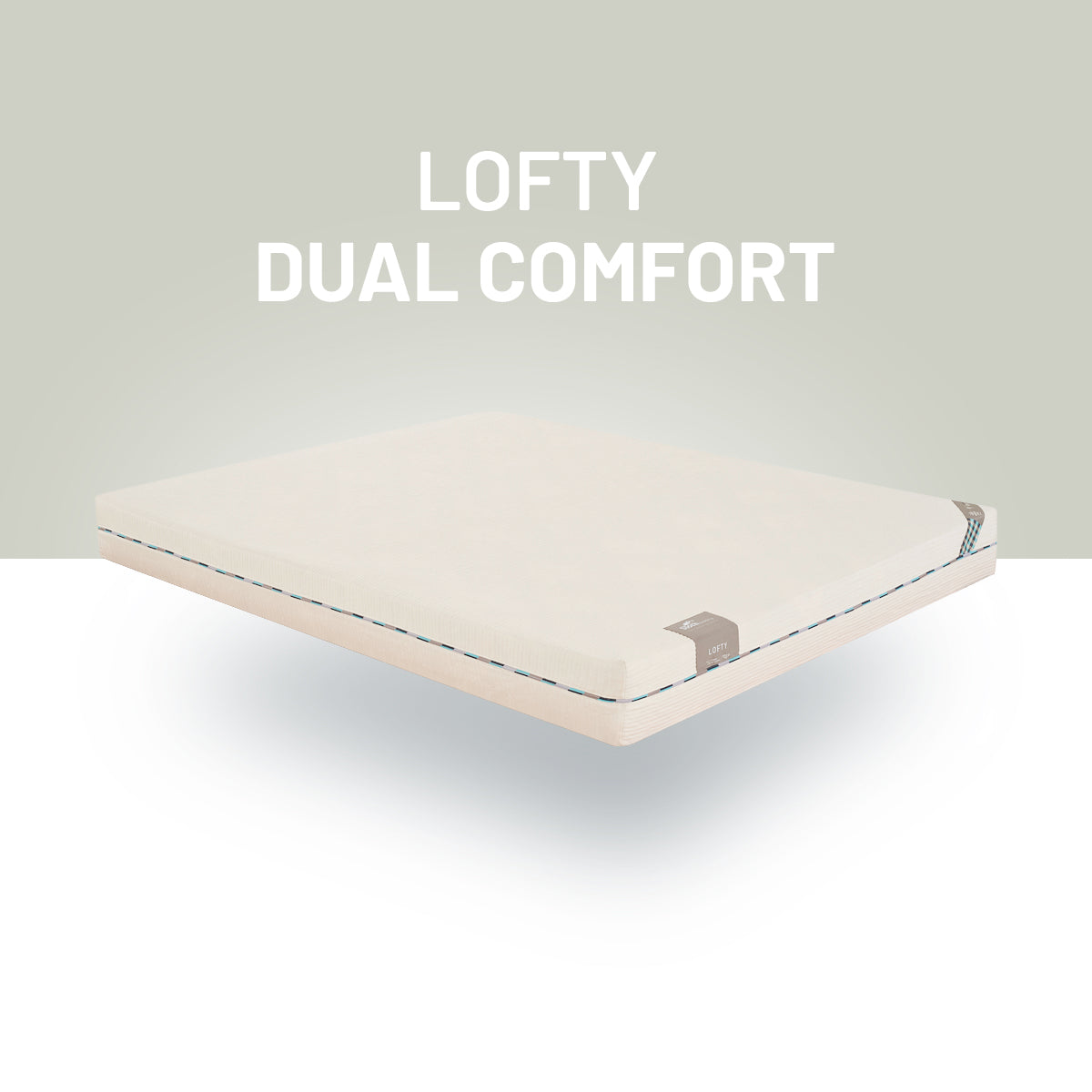
Natural wool, organic cotton, or bamboo-blended intermediate layers transfer heat based on ambient temperature without trapping it. Having two different surfaces on the mattress (e.g., a cool side for summer, a warm side for winter) is a major advantage; this allows adaptation to the season with a single mattress.
Step 7: Compare User Reviews and Certifications
Real parent experiences, as much as technical specifications, reveal the mattress's performance in daily use. Problems like short-term sagging, odors, or cover wear are frequently seen in reviews.
In the reviews, focus on concrete complaints such as "the mattress sagged in a short time," "the zipper broke," or "it didn't allow breathing." Conversely, products tested by health organizations or independent institutes are more reliable. Look for such references on the brand's website or product packaging.
Step 8: Establish Long-Term Value and Economic Balance
The most recurring mistake is focusing only on low price, only to have to replace the mattress after a few months. This leads to higher total costs and the fatigue of constant research.
Choose a durable mattress that can be used for at least 2-3 years, or even passed on to your second baby. In the mid-range segment, certified and double-sided models (e.g., an extra-firm side for 0-6 months, a slightly softer side thereafter) offer economic benefits by meeting periodic needs.
Step 9: Prioritize Ease of Assembly and Use
Additional accessories like sleep sacks, canopies, or movable parts can sometimes be incompatible with the mattress. This creates unnecessary stress for the parent during nighttime sleep.
Make sure the mattress works seamlessly with standard baby sheets and sleep sacks. Being easy to lift and lower allows you to intervene quietly during night feedings or diaper changes. Some mattresses make a difference here with special handles or a lightweight structure.
Step 10: Perform a Final "No Risk" Check
After all technical and practical criteria are met, performing a final safety check based on common sense is useful to catch any overlooked details.
Ensure there are no protrusions, stiff labels, exposed stitching, or buttons that could break off on the mattress. Everything you place on the baby's mattress (sheets, protectors) should be taut and wrinkle-free to prevent it from sticking to the face and hindering breathing. This simple check guarantees safety at the final stage.
When you follow these steps, you are not just buying a mattress, but making a conscious investment in your baby's sleep safety and comfort during their first months.
Common Mistakes and Warning Signs
Most mistakes regarding baby mattress selection stem from misinformation, old habits, or focusing solely on aesthetics.
- Being deceived by visuals and choosing a soft mattress: While plush, fluffy surfaces look cute, they increase the risk of the baby being unable to breathe if they roll onto their stomach. Solution: Opt for firm and flat mattresses; choose models that do not soften even when a fitted sheet is pulled over them.
- Trusting only the certification logo without reading the details: Some documents may apply only to the cover, while the inner filling might contain harmful substances. This leads to allergic reactions and chemical exposure. Solution: Inquire whether the certification covers all mattress layers and request a clear list of ingredients from the brand.
- Neglecting edge gaps: Leaving a gap between the mattress and the frame large enough for 3-4 fingers can result in the baby's hand or head getting stuck in between. Solution: If the size is not an exact match, get a new mattress of the correct size instead of using foam gap fillers.
- Using non-permeable plastic protectors: A mattress that remains stuffy creates a hot and humid environment under the baby, causing both diaper rash and sleep disruption. Solution: Choose breathable, TPU-laminated, or organic cotton waterproof protectors.
- Accepting second-hand mattresses without questioning: A used mattress may have internal rot, mold, accumulated bacteria, or lost firmness. These directly harm the baby's respiratory health. Solution: Use second-hand mattresses only after testing them yourself, ensuring they are certified, undeformed, and have a clear hygiene history.
- Adding extra soft layers or covers to the baby mattress: Mother's quilts, sheepskins, or thick fleece pads create unwanted softness on the mattress surface. Solution: Use only a thin, elasticated, and breathable sheet on the mattress; dress your baby in a sleep sack.
- Focusing only on price: The cheapest mattress usually has a short lifespan; it carries risks of sagging, odors, and uncertified materials. Solution: Determine your budget based on safety and durability, and opt for certified products in the mid-to-high segment.
- Not adjusting the mattress height: If the mattress base is not lowered when the baby starts sitting up as they grow, a fall risk arises. Solution: Check your crib's adjustable base every 2-3 months and deepen the mattress position as the baby grows taller.
- Continuing to choose synthetic materials when allergies are involved: If the baby has a risk of atopic dermatitis or asthma, polyester and polyurethane fillings can be triggers. Solution: Use organic wool, natural latex, or certified plant-based materials.
- Choosing mattresses with chemical fragrances because they smell good: Mattresses infused with wipes or room fresheners cause irritation in the baby's respiratory tract. Solution: Prioritize only natural, scent-free mattresses that have a volatile organic compound (VOC) certificate.
Not ignoring these warning signs is the smartest way to protect both your baby's health and your family budget.
Care and Cleaning Tips
Regular maintenance is essential to extend the life of a baby mattress and offer a hygienic sleep environment; otherwise, odors, allergens, and a sticky layer of bacteria form quickly.
- Removing and washing the washable cover: Spitting up, sweat, and milk leaks leave bad odors and stains in a short time. Prevent bacterial growth by washing the removable cover at 40-60 degrees at least once a month. Keeping a second spare cover always comes in handy.
- Wiping and airing out the waterproof protector: Moisture accumulated in the intermediate layer creates a breeding ground for mold and dust mites. After wiping with a damp cloth, dry the protector completely in a well-ventilated area away from direct sunlight; it is practical to do this immediately after a diaper change.
- Rotating the mattress: Constant weight on the same area causes early sagging. If the mattress is suitable for double-sided use, flip it or rotate the head-to-foot direction every 3 months. This ensures the mattress ages evenly.
- Airing out in a way that receives indirect sunlight: UV rays act as a natural disinfectant, but some organic materials may be damaged if exposed for too long. Once a month, air the mattress in the shade or in the open air with mild sunlight for no more than 20-30 minutes; this helps remove odors and moisture.
- Intervening as soon as a stain occurs: Stains that have been left to sit penetrate deeply and become difficult to remove. Treat vomit or stool stains immediately with cold water and a baby-friendly stain remover; do not use hot water as it sets protein stains.
- Vacuuming or dusting: Dust and fine dust mites that accumulate on the mattress surface increase allergic reactions. Clean the core under the removable cover with a handheld vacuum at low suction power or a microfiber cloth once a month.
- Checking the base or mat: Dust and pet hair accumulated under the mattress contaminate the air the baby breathes. Vacuum under the mattress weekly; placing a thin, washable cover under the crib base makes cleaning easier.
- Strictly following washing instructions: Using high heat or bleach can damage the breathable membranes or the waterproof layer. Always follow the symbols on the product label; if in doubt, wash on a cold, delicate cycle and dry flat.
A disciplined maintenance routine is the greatest investment that ensures you continue to use your baby's mattress with the comfort and safety of the first day.
How Can SlothBedding Help?
The biggest challenge in finding a high-quality and reliable baby mattress is getting lost in the information pollution in the market.
As a brand focused on sleep quality, SlothBedding offers breathable mattresses, protective covers, and sheets with natural fabrics specifically developed for babies. It prioritizes health certifications in all its products, ensuring that parents can be certain no harmful chemicals will come into contact with their baby's system.
The brand's mattresses promise long-term use with the option of a completely firm and flat surface needed in the first six months, and a slightly softer side for the later period. Furthermore, it offers waterproof but breathable protective layers that are truly functional rather than decorative; this helps the baby sleep without sweating or overheating.
For post-sales support, it provides detailed measurement guides and live support so parents can learn which mattress fits their crib dimensions perfectly. Product contents, certificate details, and care instructions are shared transparently on the SlothBedding website (https://slothbedding.com).
Frequently Asked Questions
Q: How firm should a mattress be for newborns?
The mattress should be firm enough not to form a noticeable depression under the baby's weight, but flexible enough not to make them feel pressure points. When you press with your hand, you should feel resistance, and the surface should bounce back quickly. A firm mattress keeps the airway open by preventing the baby from sinking into the surface.
Q: Is it mandatory to use a waterproof mattress protector?
It is not mandatory, but it is highly recommended for extending the life of the mattress and for hygiene. A waterproof layer prevents milk, vomit, or urine from penetrating the mattress and causing bacterial growth. Breathable TPU or cotton-based models should be preferred so that airflow is not blocked and the baby's body temperature remains balanced.
Q: Is it safe to use a second-hand baby mattress?
However, it may be safe under certain conditions. There should be no visible sagging, odors, stains, or signs of mold on the mattress. It must pass the firmness test, and its original certifications must still be valid. In any case where you are unsure, buying a new mattress eliminates long-term risks.
Q: How often should I rotate my baby's mattress?
One-sided use shortens its lifespan. For double-sided mattresses suitable for rotation, ensure even wear by flipping it top-to-bottom or rotating it head-to-toe every 2-3 months. Additionally, changing sides based on the season (e.g., using the winter wool side and summer cotton side) increases comfort.
Q: Which materials reduce the risk of allergies in a baby mattress?
Organic cotton, natural wool, and GOLS-certified natural latex stand out for their resistance to dust mites and mold formation. They contain fewer chemicals than synthetic polyurethane and are breathable. Opting for certified, odorless, and plant-based materials minimizes risk, especially if there is a family history of allergies.
Q: When should the baby mattress be lowered to the crib base?
When your baby starts pushing themselves up on their hands or sitting up, which is usually around the 5-6 month mark, the mattress base should be lowered to the lowest level. This prevents the risk of them climbing over the crib rail and falling. When making this adjustment, ensure that the gap between the mattress and the frame remains less than two fingers wide.


Share:
Guide to Choosing the Right Mattress for 0-3 Year Old Babies
How Many Hours Should a 1-Year-Old Baby Sleep? A Guide