


What Is the Mattress Firmness Guide for Children Aged 2-7?
This is a comprehensive guide that explains the selection of mattress firmness for children between the ages of 2 and 7 step-by-step, focusing on spine development and sleep comfort. The wrong level of firmness is one of the primary sleep issues that lead to back pain, frequent waking, and daytime restlessness in growing children.
- Spine development — Ages 2-7 is the period when the spine takes shape most rapidly. The mattress must keep the spine in a neutral alignment by distributing body weight evenly.
- Firmness scale — For children's mattresses, a level of 6-7 out of 10 (medium-firm) is generally recommended. However, this value varies depending on the child's weight and sleeping position.
- Breathability — Children sweat more than adults. Open-cell foam, latex, or perforated structures provide a cool sleep surface without trapping heat.
- Motion isolation — A parent sitting on the bed or a sibling moving can wake a child. High-density foam and individually pocketed springs reduce this transfer.
- Hypoallergenic structure — Materials resistant to dust mites and mold reduce the risk of allergies and asthma. Natural latex and certified foam are particularly recommended.
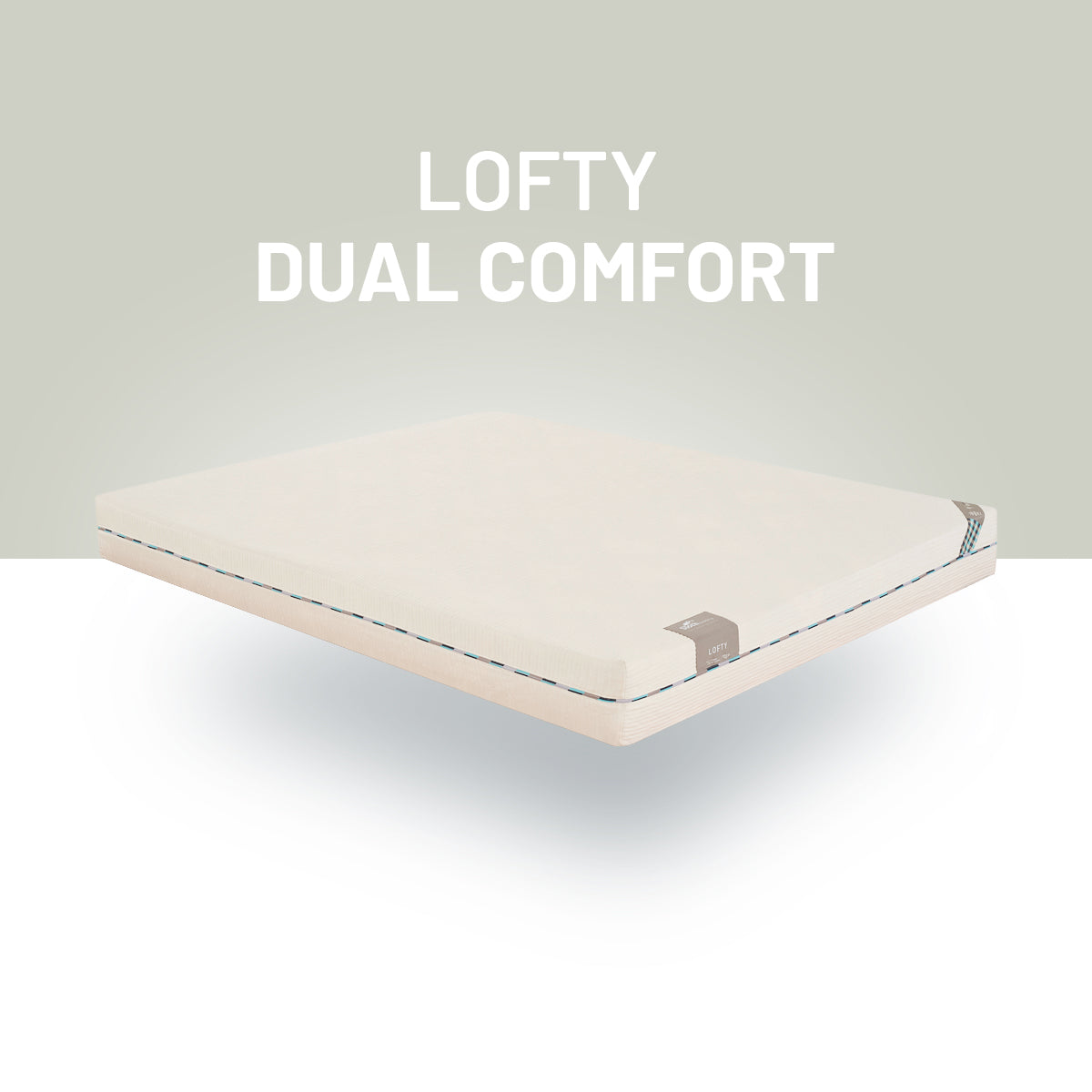
- Dual-sided design — Mattresses produced with a firm side for younger children and a medium-firm side to be used as they grow extend the investment over many years.
- Sleep position impact — While back sleepers seek flatter support, side sleepers need softness in the shoulder and hip areas. This balance preserves the child's natural posture.
- Material safety — Low volatile organic compound (VOC) emissions and Oeko-Tex or CertiPUR-approved materials are decisive for respiratory health in closed children's rooms.
This guide was prepared for parents who want their children to sleep healthily, those looking to buy gifts for their grandchildren, and couples setting up a child's room along with home decor. Choosing the right firmness is not just a mattress preference; it is a long-term investment in your child's physical and mental rest throughout their entire developmental journey.
Why is it important for better sleep?
Ignoring this issue leads to a cycle of a child who tosses and turns, wakes up frequently, and an exhausted parent. Furthermore, a mattress with the wrong firmness becomes unusable within a few years, causing money to be wasted.
- Lower back sagging on an overly soft mattress — The spine loses its natural curvature, and morning back pain begins. A medium-firm surface prevents the body from sinking by filling the lumbar gap.
- Pressure points on a surface that is too firm — Blood circulation is restricted in areas like the hips and shoulders, causing the child to wake up frequently to change positions. A firm mattress with a light comfort layer disperses this pressure.
- Night sweats and feeling smothered — Non-breathable materials trap heat in the mattress, making the child restless. High-airflow foam or latex balances body temperature.
- Sleep disruption through motion transfer — On a mattress that does not isolate vibrations, even a parent's adjustment can wake the child. Independent springs or dense foam blocks provide a quiet and uninterrupted environment.
- Premature mattress deformation — Low-density materials sink within a few months, and spinal support is lost. Choosing durable materials with high density values extends the life of the mattress.
- Exposure to chemical odors — Gases emitted from uncertified mattresses can cause headaches and respiratory irritation. Products with Oeko-Tex Standard 100 or CertiPUR certificates reduce this risk to zero.
- Increased allergic reactions — Non-permeable covers accelerate mite accumulation. Hypoallergenic mattresses with washable covers reduce the allergen load.
- New mattress cost during growth spurts — When support becomes insufficient in a short time, a new purchase is required. Models offering dual-sided or adjustable firmness cover multiple age ranges.
- Wrong base incompatibility — The feeling of firmness is affected by the base; on an unsuitable base, the mattress may be perceived as too firm or too soft. Choosing a slatted or perforated base compatible with the mattress optimizes mobility and ventilation.
- Setback in sleep training — A child experiencing physical discomfort does not want to stay in their own bed. The right firmness reinforces independent sleeping habits by keeping the bedtime routine consistent.
Choosing a mattress that supports quality sleep during your child's growing years is the most tangible step toward avoiding posture disorders and sleep problems that are difficult to fix later on.
How do you choose the right option?
It is quite common to get lost among firmness labels, material names, and conflicting recommendations in the children's mattress aisle. The following steps clarify the decision-making process, prioritizing safety first, then comfort.
Step 1: Evaluate your child’s weight and height
This step avoids "average" recommendations that don't fit everyone. While a child under 15 kg may not find enough sinking sensation on an overly firm mattress, a child over 20 kg will sag in the lumbar region on a soft mattress.
- Weigh your child and prefer brands that provide a "mattress firmness chart."
- Quick check: When you press on the middle area of the mattress with your hand, there should be 2-3 cm of deflection, and it should bounce back instantly.
Step 2: Observe the dominant sleeping position
Although children's sleeping styles change constantly, one position usually dominates. Poor positional support puts a load on the joints.
- For back sleepers, a medium-firm surface is ideal; a comfort layer that provides slight support for the lumbar gap should be added.
- Side sleepers want a bit of softness for the shoulders and hips; a medium-firm top layer relieves pressure on these points.
- Dual-sided mattresses offer flexibility for children who change positions throughout the night.
Step 3: Understand the material type
Each material has different characteristics regarding firmness, breathability, and durability. The wrong material brings problems of sweating or sagging.
- High-density foam: Medium-firm feel, low motion transfer, economical and durable. The density should be at least 30 kg/m³.
- Natural latex: Medium-firm to firm, superior breathability, hypoallergenic. Due to its weight, it is important that the surface is flexible so the child can turn comfortably.
- Individually pocketed springs: Point-based support, good airflow. In children's mattresses, the number of springs should be high, and the wire thickness must be suitable for the child's weight.
- Hybrid: Spring bottom layer, latex or foam top layer; combines support and pressure relief. Weight and cost may increase.
Step 4: Make the firmness scale concrete
Relying on numbers or expressions like "firm, medium" can be misleading. There is no standard among manufacturers.
- The goal in children's mattresses is the 6-7 medium-firm range out of 10. Look for this scale in the product description.
- Validation tip: If you don't feel a sinking sensation when you sit on the edge of the mattress and your waist stays straight, it means similar support for your child.
Step 5: Prioritize temperature regulation
Children's rooms are usually warmer than adult rooms, and children's sweat glands are more active. Overheating is the biggest enemy of sleep.
- Choose open-cell foam, perforated latex, or air-channeled spring systems.
- Make sure the mattress cover is made of moisture-wicking and breathable fabrics such as cotton, bamboo, or Tencel.
Step 6: Check safety certifications
Certificates are the most reliable filter to eliminate invisible chemical risks.
- Oeko-Tex Standard 100: Indicates that all components have passed tests for harmful substances.
- CertiPUR: Proves that the foam is approved for heavy metals, phthalates, and low VOC levels.
- EuroLATEX: Ensures the control of additives in natural latex mattresses.
Step 7: Head toward dual-sided or convertible models
Mattresses that offer only a single level of firmness may not provide the same support from age 2 to age 7. A dual-sided mattress maintains comfort by being flipped over as the child grows.
- The firm side is ideal for a young age, and the medium-firm side is ideal for use after age 4-5.
- Follow the flipping frequency specified by the manufacturer; usually, a flip every 6 months is sufficient.
Step 8: Test in-store or during a trial period
Having the child spend a few minutes on the mattress prevents surprises after home delivery. Many brands also offer a home trial period.
- If you are in a store, ask your child to lie on their back and side; observe the spine alignment from the side.
- For online shopping, prefer sellers that offer at least a 100-night return/exchange policy. SlothBedding's sleep trial removes the risk from this decision.
By applying these steps in order, you can confidently decide that your child will spend not just this night, but the next few years, in a comfortable and supportive environment.
Common mistakes and warning signs
These mistakes are usually repeated due to rushed decisions, common misconceptions, or short-term savings calculations. Yet each one directly harms the child's sleep and body health.
- Focusing only on price — Cheap mattresses sag quickly and cannot support the spine. If the budget is limited, look for mid-segment products with basic safety certifications.
- The "firm mattress equals healthy mattress" misconception — An overly firm surface creates pressure points on the hips and shoulders; the child wakes up in pain. The goal is a medium-firm balance that is supportive but relieves pressure.
- Not questioning material content — Foams that produce odor or are uncertified can cause headaches and respiratory distress. Make it a habit to look for the Oeko-Tex or CertiPUR logo on the page.
- Not using a protective mattress protector — Sweat, vomit, and nighttime accidents seep into the mattress; bacteria and odor grow over time. A breathable, waterproof mattress protector is essential from the first day.
- Placing the mattress directly on the floor or an unsuitable base — Air circulation is cut off, the bottom part becomes damp, and the risk of mold arises. A slatted or grated base always provides the necessary bottom support.
- Choosing only by age — Children of the same age with different weights and heights have different firmness needs. Always make the selection based on weight and sleeping position.
- Using a dual-sided mattress on only one side — Mattress surfaces do not wear out equally, and support becomes unbalanced. Maintain the mattress's life and comfort by flipping/rotating it every 2-3 months.
- Buying without trying or reading return conditions — The return process when a child doesn't like a mattress is both costly and exhausting. Prioritize brands that offer at least a 30-night home trial.
By avoiding these traps, you both prevent unnecessary expenses and provide a sleep surface that will truly benefit your child.
Care and cleaning tips
Regular maintenance of a child's mattress keeps the support and hygiene like the first day for years; if neglected, allergen accumulation and structural deterioration are inevitable.
- Use of a protective mattress protector — Spills and sweat absorption must be stopped before they reach the inner layers of the mattress. Wash the protector every 2-3 months; replace it immediately if it becomes torn or permeable.
- Cleaning the mattress cover — A zippered, washable outer cover is a huge advantage for children's mattresses. Wash it monthly at the temperature indicated on the label to keep mites and bacteria away.
- Rotating and flipping the mattress — On single-sided mattresses, switch the head and foot ends; if it is dual-sided, flip it. Repeat this process every 2 months to prevent regional sagging.
- Ventilation routine — Room humidity and the moisture a child emits during the night become trapped in the mattress. Every week, remove the bedding and lean the mattress upright for a few hours to provide natural ventilation.
- Stain intervention — If a liquid is spilled on the mattress, press with paper towels immediately to absorb it; rubbing pushes the stain inside. Then, wipe with a small amount of natural soapy water and let it air dry without using a hair dryer.
- Spring system noise check — Squeaking or metal sounds can wake a child at night. Check the base connections; if the problem persists, contact the manufacturer.
- Limit jumping and bouncing — The inner structure of the mattress is not built to withstand jumping for play. Teaching children at an early age that the mattress is only for sleeping ensures the longevity of the springs and foam.
- Annual deep cleaning — Vacuum the surface of the mattress with the upholstery attachment of your vacuum cleaner; this removes dust mites and fine particles. On a day with good airflow, airing the mattress in the shade for a short time also provides freshness.
Adding these simple habits to your routine is the most rational way to keep your child's mattress hygienic, supportive, and comfortable for many years.
How can SlothBedding help?
Trying to find a mattress that is both safe and of age-appropriate firmness for your child can be tiring due to the abundance of options and ambiguous labels. SlothBedding simplifies this process with its children's mattress collection that centers on transparent material information and sleep quality.
SlothBedding's children's mattresses come with high-durability foam and natural latex options in medium-firm density. Each model has support points calculated to cater to different weight ranges. In addition, breathable organic covers and hypoallergenic surfaces are specifically designed for sensitive children's skin. Certificates like Oeko-Tex and CertiPUR are detailed on product pages, leaving no room for guesswork regarding chemical safety.
The customer experience team provides model recommendations specific to you by considering information such as your child's weight, sleep position, and allergy history. With the post-purchase warranty process and maintenance guides, SlothBedding is built not just to sell the mattress, but to provide a long-term sleep solution. By browsing the children's mattress collection, you can also benefit from the flexibility of trying it at home before deciding.
Shopping with a brand that clearly provides all the data needed for an informed choice ensures you find the right mattress without risking your child's sleep.
Frequently Asked Questions
Q: What is the most accurate mattress firmness for my 2-year-old child?
For young children, safety and spinal support are the priority. A medium-firm mattress for a 2-year-old prevents the body from sinking too much while keeping the waist and neck area in a neutral position. If the child does not yet have the muscle control to turn, avoid overly soft mattresses. If you want flexibility for subsequent years, you can use the firm side of a dual-sided model during this period.
Q: What happens if a child's mattress is too firm?
A mattress that is too firm creates pressure points on protruding areas like the child's hips and shoulders; this increases the urge to change positions and restlessness throughout the night. Furthermore, because the lumbar gap is not sufficiently supported, the spine cannot maintain its natural curvature. When testing firmness, if the mattress does not deflect at all when you press with your hand, it should be considered a warning sign.
Q: How can I test a medium-firm mattress at home?
When your child lies on their back on the mattress, there should not be enough space between the lumbar area and the mattress for your palm to pass through; at the same time, the hips and shoulders should not sink in a way that causes discomfort. Observe that the spine forms a straight line when lying on the side. Also, 2-3 cm of controlled deflection when pressing from the edge of the mattress is a sign of ideal medium-firmness.
Q: Is memory foam (visco) suitable for children?
Traditional memory foam is heat-sensitive and can make it difficult for children who need to change positions frequently; it also tends to make one sweat. However, there are now more breathable visco types available that are open-cell, gel-supported, or plant-based. If you are going to choose memory foam, make sure its density is high (over 50 kg/m³) and Oeko-Tex certified; alternatively, natural latex is a cooler and faster-recovering option.
Q: How often should a child's mattress be replaced?
The general rule is visible sagging, spring noise, or your child complaining of back pain in the mornings. A high-quality children's mattress can be used for 5-7 years with regular maintenance. However, it is correct to move to a higher model when your child's weight changes significantly or the mattress's firmness level is no longer sufficient. Dual-sided models are particularly advantageous as they solve this transition with one purchase.
Q: Is a dual-sided mattress useful, or just a marketing tactic?
Dual-sided children's mattresses offer a real function: the firm side comes into play at a young age, and the medium-firm side comes into play during preschool. This makes it possible to cover the 2-7 age range with a single mattress. However, it is necessary to verify that both sides are produced with equal care in terms of breathability and cover quality. For brands that offer a trial period like SlothBedding, this mattress type provides long-term comfort without taking risks.


Share:
How Many Hours Should a 1-Year-Old Baby Sleep? A Guide
Choosing a Mattress for 6-Month to 2-Year-Old Babies: A Sleep Quality Guide