


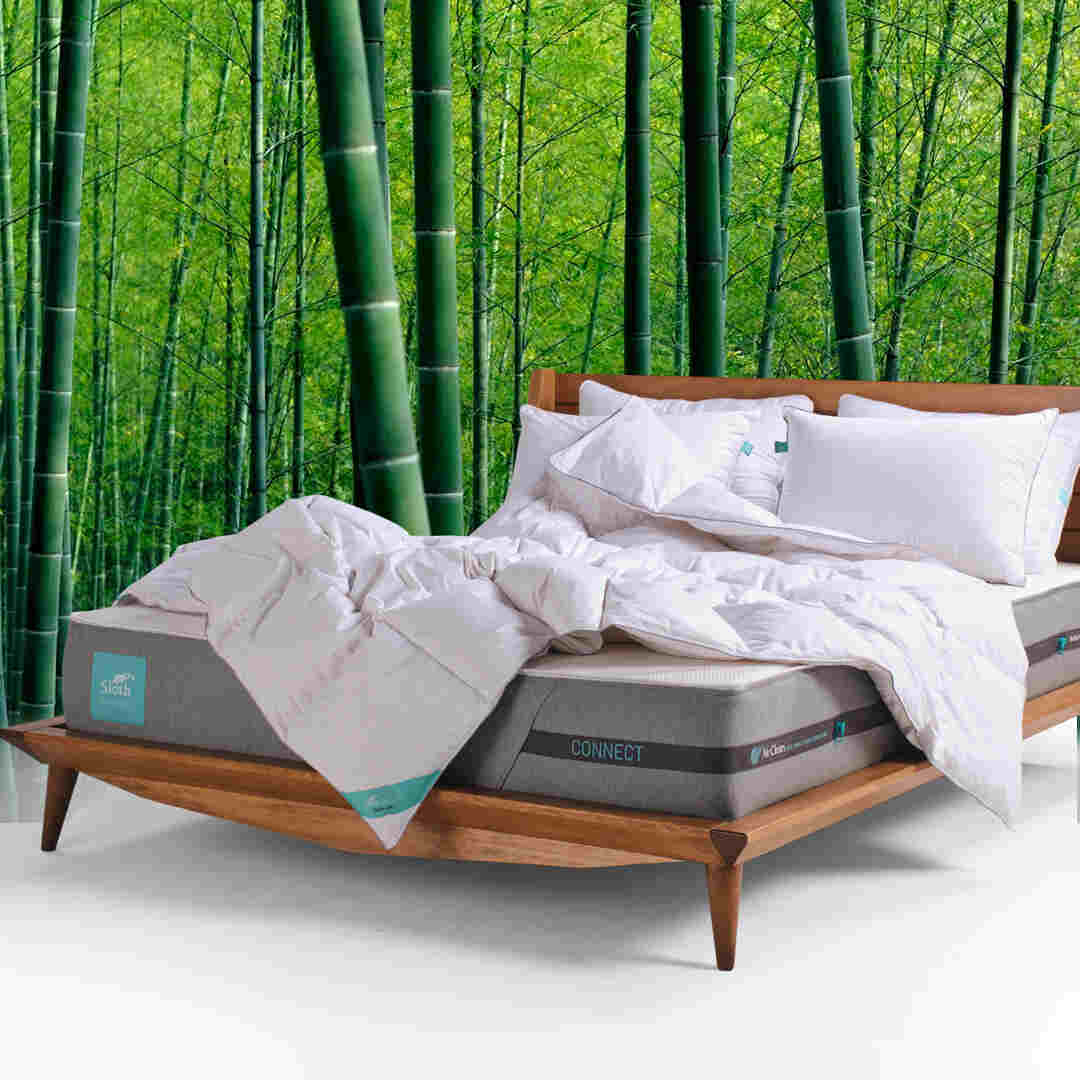
If you are looking for a natural, sustainable, and eco-friendly fabric, bamboo fabric might be exactly what you need. Gaining popularity rapidly in recent years, bamboo fabric offers an ideal option in terms of both comfort and environmental awareness. Thanks to innovative production techniques, this fabric, derived from the bamboo plant, stands out with its soft texture, breathable structure, and durability.
Bamboo fabric has a wide range of uses, from apparel to home textiles. Due to its natural structure, it is suitable for sensitive skin and provides extra comfort to users with its antibacterial and moisture-wicking properties. Especially for those looking for sustainable textile products, bamboo fabric stands out as an eco-friendly alternative.
In this article, we will examine the features, advantages, production process, and usage areas of bamboo fabric in detail. We invite you to take a closer look at the world of this unique fabric!
What Is Bamboo Fabric?
Bamboo fabric is a natural textile product obtained from the fibers of the bamboo plant. In the production process, the bamboo plant is broken down into its fibers and made suitable for weaving. The resulting fabric attracts attention with its eco-friendly and sustainable structure.
One of the greatest features that distinguishes bamboo fabric from other fabrics is its natural softness and lightness. Additionally, with its breathable structure, bamboo fabric balances body temperature and absorbs moisture rapidly. This makes it a versatile fabric that provides coolness in the summer months and retains heat in the winter.
Thanks to its antibacterial and hypoallergenic properties, it is also an ideal choice for sensitive skin. Bamboo fabric is a preferred textile material not only for its comfort and aesthetics but also for its positive impact on nature.
What Are the Features of Bamboo Fabric?
Bamboo fabric attracts attention as both a user-friendly and highly environmentally conscious option. Here are the prominent features of bamboo fabric detailed in all aspects:
Soft and Smooth Touch
Bamboo fabric is known for its silk-like softness. The natural structure of the fibers allows the bamboo fabric to touch the skin gently. Thanks to this feature, it is an excellent choice for those with sensitive skin. One of the biggest reasons it is frequently preferred for baby products and sleep textiles is the comfort provided by its soft texture.
Breathability
The porous structure of bamboo fibers allows the fabric to transmit air easily. This offers coolness in hot weather while supporting the body's breathability. Furthermore, it reduces sweating by preventing moisture from being trapped within the fabric. This feature makes bamboo fabric preferred, especially in sportswear and summer clothing.
Moisture-Wicking and Quick-Drying Structure
The moisture-absorbing capacity of bamboo fabric is much higher compared to cotton. It absorbs moisture accumulation rapidly and pulls this moisture away from the surface, accelerating the drying process. This feature provides a fresh experience in hot weather and offers extra comfort during sports or an active lifestyle.
Antibacterial and Hypoallergenic
The natural antibacterial structure of bamboo fibers allows the fabric to significantly inhibit bacterial growth. This minimizes bad odor formation and makes bamboo fabric particularly suitable for long-term use. Additionally, its hypoallergenic properties reduce the risk of allergic reactions and provide a safe alternative for sensitive skin.
Eco-Friendly and Sustainable
The bamboo plant does not require pesticides or chemical fertilizers while growing. Being a fast-growing plant, bamboo can be harvested regularly and does not need large areas for planting. These features make bamboo fabric an eco-friendly option. However, as chemical processes may be used during bamboo viscose production, organically certified bamboo fabrics should be preferred.
Durability
Despite its light structure, bamboo fabric is quite durable. When washed and cared for properly, it can maintain its form and softness for years. Appropriate care methods, such as washing in the washing machine at low temperatures and drying, extend the life of bamboo fabric.
Heat Regulating Feature
Bamboo fabric has a structure capable of adapting to hot and cold weather conditions. While it offers a cooling sensation in hot weather, it retains heat in cold weather. This feature makes bamboo fabric a textile product that can be used in four seasons. This feature provides a great advantage, especially in bedding and clothing.
Is Bamboo Fabric Healthy?
Bamboo fabric stands out with features that support a healthy lifestyle. Thanks to its hypoallergenic structure, it does not cause irritation on sensitive skin and is suitable for users of all ages, from babies to adults. Its natural antibacterial properties prevent the formation of bacteria and fungi while also preventing bad odors. This makes bamboo fabric an ideal option in areas where hygiene is important, such as sportswear, underwear, and bedding.
With its breathable structure, bamboo fabric helps balance body temperature. Thanks to its moisture-wicking properties, it absorbs sweat rapidly and allows it to evaporate, keeping the skin dry. This feature provides coolness and comfort in hot weather while retaining heat to prevent chilling in cold weather. Furthermore, since no chemical fertilizers or pesticides are used while growing the bamboo plant, bamboo fabric maintains its naturalness as a product free from harmful chemicals.
In addition to these features that support user health, bamboo fabric, which also attracts attention with its eco-friendly production process, is preferred as an alternative that does not harm the skin or nature.
How Is Bamboo Fabric Produced?
Bamboo fabric is obtained from the fibers of the bamboo plant, and the production process may vary depending on the method used. Here are the main methods used in bamboo fabric production:
Mechanical Method
This method is carried out by separating the fibers while preserving the natural structure of the bamboo plant. Bamboo stalks are crushed, and natural enzymes are used to separate the fibers. These fibers are then spun into yarn. The mechanical method is eco-friendly and natural but is a laborious process and allows for the production of smaller quantities of fabric. Fabrics produced with this method are generally called "organic bamboo fabric."
Chemical Method
The chemical method is a process in which chemicals are used to separate the fibers of the bamboo plant. In this method, bamboo is processed with soda ash or similar chemicals to become cellulose. Then, viscose yarn is obtained from this cellulose. This method is more economical and faster, but recycling systems are usually used to reduce the environmental impact.
Eco-Friendly Approaches in Production
The fast-growing capacity of the bamboo plant and its lack of need for chemical fertilizers make this fabric an eco-friendly option. Advanced technologies are used in modern production processes to reduce waste and minimize environmental impacts.
Why Should You Prefer Bamboo Fabric?
Bamboo fabric attracts attention with both its natural features and the innovative methods used in its production process. Because it is eco-friendly, durable, and healthy, it has gained an important place in the textile sector.
Where to Find Bamboo Fabric Pillows and Bedding?
With the comfort and natural features it offers, bamboo fabric is becoming one of the staples of modern life. As Sloth Bedding, we design special sleep products that combine the unique texture and advantages of bamboo fabric.
At Sloth Bedding, you can find bamboo-containing products carefully designed to improve your sleep quality. Standing out with its natural, antibacterial, and sustainable structure, our products offer an ideal option to support your health and the environment.
Sloth Bedding’s Bamboo Fabric Products:
-
Pillows: Bamboo pillows with breathable, moisture-balancing, and antibacterial features.
-
Baby Pillows: Soft and hypoallergenic baby pillows, ideal for sensitive skin.
-
Baby Quilts: Bamboo baby quilts that can be used on both sides, balance body temperature, and offer a cool and comfortable sleep experience.
With these products, you can incorporate the comfort and naturalness provided by natural bamboo fibers into your life. A comfortable sleep awaits you with the bamboo fabric products offered by Sloth Bedding!
Frequently Asked Questions (FAQ) About Bamboo Fabric
What Is Bamboo Fabric?
Bamboo fabric is a type of natural fabric obtained from the fibers of the bamboo plant. It is known for its eco-friendly, soft, and breathable structure.
How Is Bamboo Fabric Produced?
Bamboo fabric is produced by separating the fibers of the bamboo plant through mechanical or chemical processes. Mechanical methods are more natural and eco-friendly, while chemical methods are more commonly used.
What Are the Advantages of Bamboo Fabric?
It has natural and antibacterial properties; it wicks moisture and is breathable. It is skin-friendly and does not cause allergies. It is also an eco-friendly and sustainable fabric.
In Which Areas Is Bamboo Fabric Used?
It is used in various fields such as the apparel sector (underwear, sportswear, casual wear), home textiles (bed linen, towels, curtains), and children's products and medical textiles.
Are There Any Disadvantages to Bamboo Fabric?
Yes, bamboo fabric has disadvantages such as high cost and difficulty in maintenance. Additionally, some production methods can create negative environmental impacts.
How Is Bamboo Fabric Maintained?
Bamboo fabric should generally be washed gently in cold water with mild detergent and dried at low heat. Bleach should not be used, and it should be dried naturally, avoiding direct sunlight.
Why Is Bamboo Fabric Eco-Friendly?
The bamboo plant is a fast-growing plant that requires minimal water and pesticides. Furthermore, bamboo fabric production preserves natural resources and reduces the carbon footprint.
How Are Bamboo Fabric Prices?
Bamboo fabric is generally more expensive than other fabric types. Prices vary depending on the quality of the fabric and the production method.
What Should Be Considered When Buying Bamboo Fabric?
It is important to check if the fabric contains a high percentage of bamboo, to look for certifications, and to pay attention to the production method. Additionally, shopping from reliable brands is important.
Does Bamboo Fabric Cause Allergies?
Because it has natural and hypoallergenic properties, bamboo fabric generally does not cause allergies and is skin-friendly.


Share:
How to Wash Bedding? How to Clean Bedding?
What Are the Dimensions of a Double Bed?