


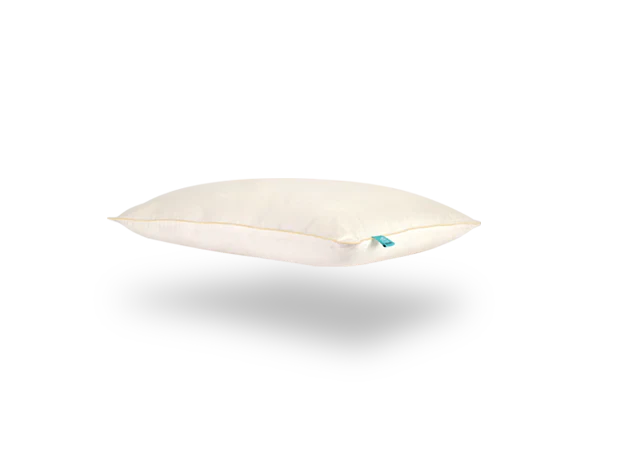
A bamboo pillow is a modern type of pillow that takes its name from the outer cover produced with fibers obtained from the bamboo plant, while its inner filling is usually visco or memory foam. In other words, we are not talking about a pillow that is entirely filled with bamboo, but rather a pillow that features a breathable fabric cover enriched with bamboo fibers.
The biggest difference from classic fiber or down pillow options is that it adapts better to your head and neck area and maintains air permeability throughout the night. Thanks to the natural structure of bamboo fabric, the pillowcase provides a cooler, softer, and fresher feel. This offers significant comfort, especially for people who sweat at night or experience heat buildup in the head and neck area.
Since bamboo pillows are mostly used with visco filling, they take shape when you rest your head on them and then slowly return to their original form. This helps keep your neck and spine alignment more balanced. Even if you sleep in the same position for a long time, its structure aims to reduce the feeling of neck stiffness or soreness when you wake up in the morning.
If you are prone to allergies or have sensitivities to dust mites and similar factors, a bamboo pillow can be particularly advantageous for you. Bamboo-fiber fabrics, under proper production and usage conditions, can offer a more hygienic and fresher sleeping environment compared to classic synthetic covers. Of course, since the quality and certifications of each product are decisive, it is useful to examine the inner filling, cover material, and production details before purchasing.
What Are the Features of a Bamboo Pillow?
You now know what a bamboo pillow is; let's go a little deeper and look at its features. This way, you can more clearly decide whether this pillow is suitable for you.
Breathable Structure That Helps Stay Cool
The most important feature of bamboo-fiber fabric is its high air permeability. As a result, the pillowcase helps release heat throughout the night instead of trapping it completely. Especially in summer months or if you are someone who sweats easily, a bamboo pillow can provide a cooler and fresher sleeping environment compared to classic synthetic covers.
Soft Yet Supportive Comfort
The inner filling of bamboo pillows mostly consists of visco (memory foam) or a similar supportive material. This filling adapts to the shape of your head and neck area and takes form when pressure is applied. Although the pillow changes shape as you change positions, it slowly returns to its original state. This means a structure that offers both a soft feel and support.
Especially for people with sensitivities in the neck, shoulder, and back areas, this dual effect (softness and support) can be an important advantage.
Contribution to Neck and Spine Support
A bamboo pillow chosen with the right height and the right filling helps prevent your head from dropping suddenly or remaining too elevated. Thus, the alignment between your cervical vertebrae and the rest of your spine remains more balanced.
This does not replace medical treatment, but it offers comfort aimed at reducing the likelihood of waking up with neck stiffness, tension, or headaches in the morning.
More Hygienic and Fresh Usage Experience
Bamboo-fiber fabric is smooth and soft by nature. It can help you notice less of the unpleasant odors that form with sweat compared to some classic synthetic covers. If you are prone to allergies or have sensitivities to dust mites and similar factors, bamboo-covered pillows can offer a fresher sleeping experience with proper washing and usage routines.
The important point here is to pay attention not only to the “bamboo” label but also to the product’s certifications, fabric blend ratios, and filling material.
Long-Lasting Form and Durability
A high-quality bamboo pillow does not deflate or thin out in a short time like classic fiber pillows, thanks to its inner filling. Visco or similar high-density fillings maintain their form for a long time when used correctly. This can reduce your need to replace pillows frequently.
Of course, at this point, it is also very important not to squeeze or crush the pillow, to air it out correctly, and to use it in accordance with the manufacturer's instructions.
Alternatives Suitable for Different Sleeping Positions
Bamboo pillows are not uniform. Their inner filling and heights can vary.
For example:
-
Slightly higher and denser filled models for side sleepers,
-
Medium-height models for back sleepers,
-
Thinner and softer alternatives can be preferred for stomach sleepers.
If you have a baby, the baby bamboo pillow you choose along with the right baby mattresses to improve sleep quality will significantly affect both your baby's comfort and support level.
Therefore, when choosing a bamboo pillow, you need to look not only at the material but also at its height and firmness level according to your sleeping position.
How to Wash a Bamboo Pillow?
The maintenance of a bamboo pillow is actually not as complicated as you might think; you just need to pay attention to a few important points. The most critical part here is remembering that the pillow consists of two different parts: the cover and the inner filling. The way these are washed may differ from each other.
First Step: Do Not Start Washing Your Pillow Without Looking at the Label
Each bamboo pillow's inner filling material, fabric blend, and production process can be different. That is why the first thing you should do is to read the care label on the product.
Because:
-
Some covers are machine washable,
-
Hand washing is recommended for some,
-
For most inner fillings, airing out is recommended rather than direct washing.
So there is no single rule like “bamboo pillows are washed like this”; there is a general framework, and you learn the details from the label.
How to Wash a Bamboo Pillowcase?
Most bamboo pillows have a zippered, removable cover. This is usually the most practical and safe part for washing.
In general, you can proceed as follows:
-
Remove the cover from the pillow.
-
You can wash it in the washing machine at a low temperature (30 degrees is usually ideal) on a delicate cycle.
-
Avoid bleach and detergents containing harsh chemicals. You can prefer gentler, liquid detergents if possible.
-
If you use fabric softener, be careful to use a small amount; it is better not to suppress the breathable structure of the fabric too much.
If there is a dry-cleaning instruction, be sure to follow what is written on the label. If the manufacturer does not recommend heavy chemicals, it is safer to stay away from classic dry-cleaning processes at home.
Is the Inner Filling of a Bamboo Pillow Washable?
This is the most confusing part. The inner filling of bamboo pillows is mostly visco (memory foam) or a similar sponge-like material. These materials are generally:
-
Not suitable for machine washing,
-
Can be easily deformed by hot water, spinning, and high heat,
-
Lose their comfort and support features when their inner structure is compromised.
Therefore, putting the inner part of a visco-filled bamboo pillow in the machine is often not a good idea. Most manufacturers recommend that the inner filling:
-
Should not be washed directly,
-
Should be aired out regularly,
-
Should be wiped superficially with a damp cloth if necessary.
If the inner filling is made of microfiber, fiber, or a similar washable material, washing can be done at a low temperature on a delicate cycle according to the label. However, trying this without clearly seeing “washable” on the label would be risky.
Spot Cleaning for Stains on a Bamboo Pillow
If there is a local stain on the pillow, it is safer to perform spot cleaning before trying to wash the entire inner filling.
You can proceed as follows:
-
Add a small amount of mild detergent to warm water.
-
Gently wipe only the stained area with a clean, soft cloth.
-
Try to lift the stain with circular motions without pressing too hard.
-
Then, remove detergent residues with a damp but clean cloth.
-
Allow the pillow to wait on a flat surface in an airy environment until it is completely dry.
The goal here is to target only the stain without getting the pillow completely wet.
How Should a Bamboo Pillow Be Dried?
The drying stage is just as important as washing. Improper drying can lead to serious damage, especially in visco-filled pillows.
General recommendations:
-
You can spin-dry the cover in the machine at a low speed; however, avoid very high spin speeds.
-
If you are going to use a dryer, choose a low heat or delicate cycle instead of high heat.
-
If possible, dry the cover outdoors in a place that does not receive direct, harsh sunlight.
-
It is important not to leave the inner filling under the sun for a long time and not to place it directly against a heat source (radiator, stove, etc.). It is healthier to let it dry on its own in a moderate, airy environment.
A dryer is generally not recommended for visco-filled pillows; high heat can disrupt the inner structure of the material.
How Often Should a Bamboo Pillow Be Washed?
It is more logical to separate the maintenance of the cover and the inner filling rather than washing the entire pillow every time it gets slightly dirty.
You can think of it as follows:
-
Cover: Can be washed on average every 2-4 weeks, depending on frequency of use and sweating status.
-
Inner filling: Regular airing is ideal instead of washing. You can air it out every few weeks, especially in the shade or in a place that receives indirect sunlight during hours when the sun is not too scorching.
Especially for baby bamboo pillow models used by babies, washing the cover at regular intervals and airing it out well is of much greater importance in terms of hygiene.
Besides this, using a pillow protector or an additional cover helps both the bamboo cover last longer and makes it easier to maintain hygiene.
Frequently Asked Questions (FAQ) About Bamboo Pillows
Do Bamboo Pillows Make You Sweat?
A pillow with a quality bamboo cover makes you sweat less than synthetic pillows thanks to its breathable structure; however, it is not possible to say that it won't make you sweat at all, as room temperature and your personal physiology are also factors.
Are Bamboo Pillows or Visco Pillows Better?
Since a bamboo pillow is often just a visco-filled pillow with a bamboo cover, you usually see the difference in the coolness and softness provided by the cover; which one is better depends on your expectations regarding sweating, firmness, and height.
Are Bamboo Pillows Good for Cervical Hernia?
A bamboo pillow can provide comfort with its ergonomic structure that supports the neck area, but it does not treat a cervical hernia; if you have such a condition, you must make your pillow choice in accordance with your doctor's recommendations.
Are Bamboo Pillows Suitable for Those with Allergies?
Correctly produced, certified bamboo-covered pillows can provide a fresher and more hygienic environment compared to classic synthetic fabrics; still, if you have severe allergies, it is safest to carefully examine the product contents and consult your doctor if necessary.
How Often Should a Bamboo Pillow Be Replaced?
Although it varies depending on usage frequency and filling quality, refreshing your pillow on average every 2–3 years is a good time interval for both hygiene and maintaining its form.

Share:
What is Reflux?
What is narcolepsy?