


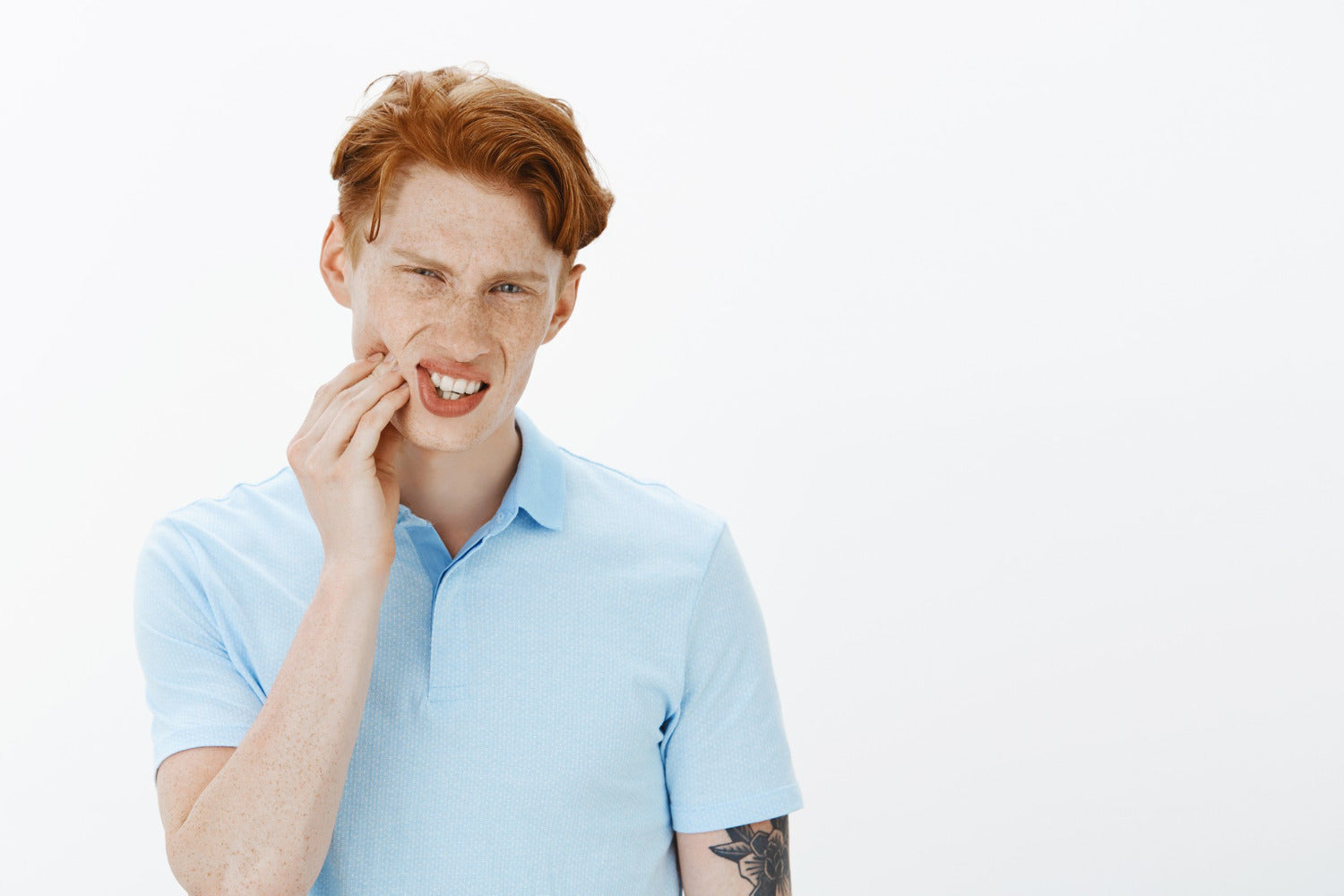
Do you find yourself clenching your teeth unconsciously while sleeping, or waking up in the morning with jaw pain or a headache? This may be a case of bruxism—the common yet often overlooked condition of grinding or clenching your teeth during sleep. In this article, you will find scientifically-backed answers to questions such as what bruxism is, what its symptoms are, why it occurs, and how it is treated.
What is Bruxism? What You Need to Know About the Condition of Nighttime Teeth Clenching
Bruxism is the condition where a person clenches or grinds their teeth without realizing it. While it is generally seen as nighttime teeth clenching, some individuals may also experience it unconsciously during the day. If you are wondering what bruxism means, this term describes the involuntary behavior of tightening jaw muscles and clenching or grinding teeth.
Over time, this condition can lead to pain in the jaw muscles, damage to the tooth structure, and even a decrease in sleep quality.
What Are the Symptoms of Teeth Clenching While Sleeping? Signs That Appear in the Morning
Symptoms of teeth clenching often manifest in the morning. If you are experiencing the following, you may have bruxism:
-
Pain in the jaw or facial muscles in the morning
-
A feeling of pressure or headaches in the temple area
-
Sensitivity or cracking in teeth
-
Wear on tooth enamel
-
Ear pain or ringing in the ears
-
A feeling of tension in the gums
-
Your partner hearing a teeth-grinding sound
If these symptoms persist for a long time, it is necessary to consult a specialist for bruxism treatment.
What Causes Nighttime Teeth Clenching? Primary Causes of Bruxism
The answer to why one clenches their teeth while sleeping lies mostly in a combination of psychological and physical factors. The most common causes are:
-
Stress and anxiety
Sleep disorders (e.g., sleep apnea) -
Disorders in tooth structure (malocclusion)
-
Consumption of caffeine, alcohol, or smoking
-
Certain types of antidepressants
-
Genetic predisposition
Since the causes of teeth clenching can vary from person to person, individual analysis is important. For this, one should see a specialist.
Differences Between Teeth Grinding and Teeth Clenching During Sleep
Bruxism can manifest in two different ways:
-
Teeth clenching: The tightening of jaw muscles, causing teeth to be pressed against each other.
-
Teeth grinding: The act of rubbing teeth against each other, creating noise.
Both conditions are considered bruxism, but their effects and treatment methods may differ.
What Does a Constant Habit of Teeth Clenching Lead to in the Body?
A long-term habit of teeth clenching can affect not only dental health but also overall health:
-
Temporomandibular joint (TMJ) disorders
-
Tooth loss or fractures
-
Deformation of facial structure (muscle hypertrophy)
-
Neck and shoulder pain
-
Decreased sleep quality
These effects can significantly reduce quality of life.
How is Teeth Clenching Diagnosed While Sleeping? The Bruxism Diagnostic Process
A diagnosis of bruxism is generally based on the patient's complaints and the dentist's observations. In some cases, the following methods may be used:
-
Dental examination (checking for wear and cracks)
-
Evaluation of the patient's morning symptoms
-
Sleep laboratory (polysomnography) test to measure jaw muscle activity
Since the act of clenching teeth during nighttime sleep is often not noticed by the patient, the diagnostic process is important.
How is Bruxism Treated? The Most Effective Methods for Teeth Clenching
There is no single answer to "How do you cure bruxism?". However, the following methods can be applied for effective bruxism treatment:
-
Use of a night guard (intraoral protective device)
-
Muscle relaxation exercises and physical therapy
-
Psychological counseling or stress therapy
-
Medication (under medical supervision)
-
Botox applications (for severe muscle contractions)
The treatment plan is determined based on the severity of symptoms and individual factors.
Which Dental Guards Are Used for Nighttime Teeth Clenching?
The most commonly used solution is a night guard. These guards are typically transparent, flexible, and custom-made for the individual. Their purpose is to prevent teeth from making contact and to relax the jaw muscles.
Guards are usually worn on the lower or upper teeth and remain in the mouth throughout the night. Since they are produced according to the mouth structure, they do not cause discomfort.
What Are Bruxism Exercises? Techniques to Relax Jaw Muscles
Bruxism exercises help relax jaw muscles. Here are some simple techniques that can be applied:
-
Jaw opening and closing movements (performed slowly and in a controlled manner)
-
Placing the tip of the tongue against the palate to relax jaw muscles
-
Applying a warm compress
-
Face and neck massage
-
Breathing exercises and relaxation techniques
When practiced regularly, these exercises can reduce tension in the muscles.
How to Prevent Teeth Clenching While Sleeping at Home? Natural and Practical Solutions
The habit of teeth clenching can be alleviated with certain home methods:
-
Stress-reducing routines before bed (warm shower, meditation, reading a book)
-
Avoiding caffeinated beverages
-
Drinking muscle-relaxing herbal teas before sleep
-
Massaging facial muscles before bed
-
Consciously keeping jaw muscles relaxed during the day
These methods can be supportive depending on the causes of bruxism.
Is Teeth Clenching Psychological? The Effect of Stress and Anxiety on Bruxism
Is bruxism psychological? Yes, the majority of nighttime teeth clenching cases are based on stress and anxiety. Intense stress in daily life can cause jaw muscles to tighten in the subconscious.
Psychological support, mindfulness exercises, and therapy processes, when necessary, are quite effective in reducing these symptoms.
What Causes Teeth Clenching While Sleeping in Children? Symptoms and Treatment Approach
Bruxism in children is usually a temporary condition. However, there may be certain reasons for persistent cases:
-
Teething process
-
Adenoids or allergies
-
Stress, fear, or emotional tension
-
Imbalances in tooth structure
For treatment, it is recommended that a pediatric dentist (pedodontist) and, if necessary, a child psychologist evaluate the situation together.
Which Doctor Should You See for Teeth Clenching While Sleeping? A Guide to Choosing a Specialist
The answer to "Which doctor should you see for nighttime teeth clenching?" can vary depending on the extent of the problem:
-
Dentist / Oral Surgeon: For physical effects and oral examinations
-
Psychiatrist / Psychologist: For psychologically-based cases
-
Physiotherapist: For muscle-relaxing treatments
-
Neurologist / Sleep Specialist: For conditions resulting from sleep disorders
A multi-faceted approach may be required.
How Long Does Nighttime Teeth Clenching Last? The Duration and Course of Bruxism
The duration of bruxism can vary depending on its cause. If it is stress-related, it may be short-term, whereas in cases of structural disorders, the treatment process may be longer. If left untreated, it can continue for years and lead to permanent damage.
Therefore, it is of great importance to take precautions before the consequences of bruxism progress.
Frequently Asked Questions (FAQ) About Teeth Clenching (Bruxism)
1. What causes nighttime teeth clenching?
The most common cause of nighttime teeth clenching (bruxism) is stress and anxiety. Additionally, sleep disorders, jaw structure problems, caffeine, alcohol, and tobacco use, certain medications, and genetic predisposition can also play a role. Individual evaluation is important as each person may have different triggers.
2. Does bruxism go away on its own?
Some mild cases, especially in children or during periods of temporary stress, may decrease on their own. However, in adults, long-term and severe cases of bruxism usually require treatment. If left untreated, permanent damage can occur to dental and jaw health.
3. Does a night guard completely prevent teeth clenching?
A night guard prevents physical damage by stopping teeth from making contact, but it does not eliminate the root cause of bruxism. Therefore, a guard is usually used as part of treatment; it provides more effective results when combined with stress management, exercise, and psychological support if needed. It is recommended to consult a specialist for the most accurate treatment.
4. Does Botox really work for teeth clenching?
Yes, Botox injections can alleviate symptoms of bruxism by reducing excessive contraction in jaw muscles. It is generally preferred in moderate-to-severe cases where other methods do not yield results. Its effect can last 3–6 months and the application must be performed by a specialist.
5. What happens if bruxism is not treated?
Untreated bruxism can lead to the following problems over time:
-
Wear on tooth enamel and fractures
-
Jaw joint issues (TMJ)
-
Asymmetry or hardening of facial muscles
Chronic headaches and sleep disorders
For this reason, early diagnosis and intervention are extremely important.


Share:
What Is the Best Mattress for Side Sleepers?
Why Do We Suddenly Feel Sleepy? What Are the Reasons?