


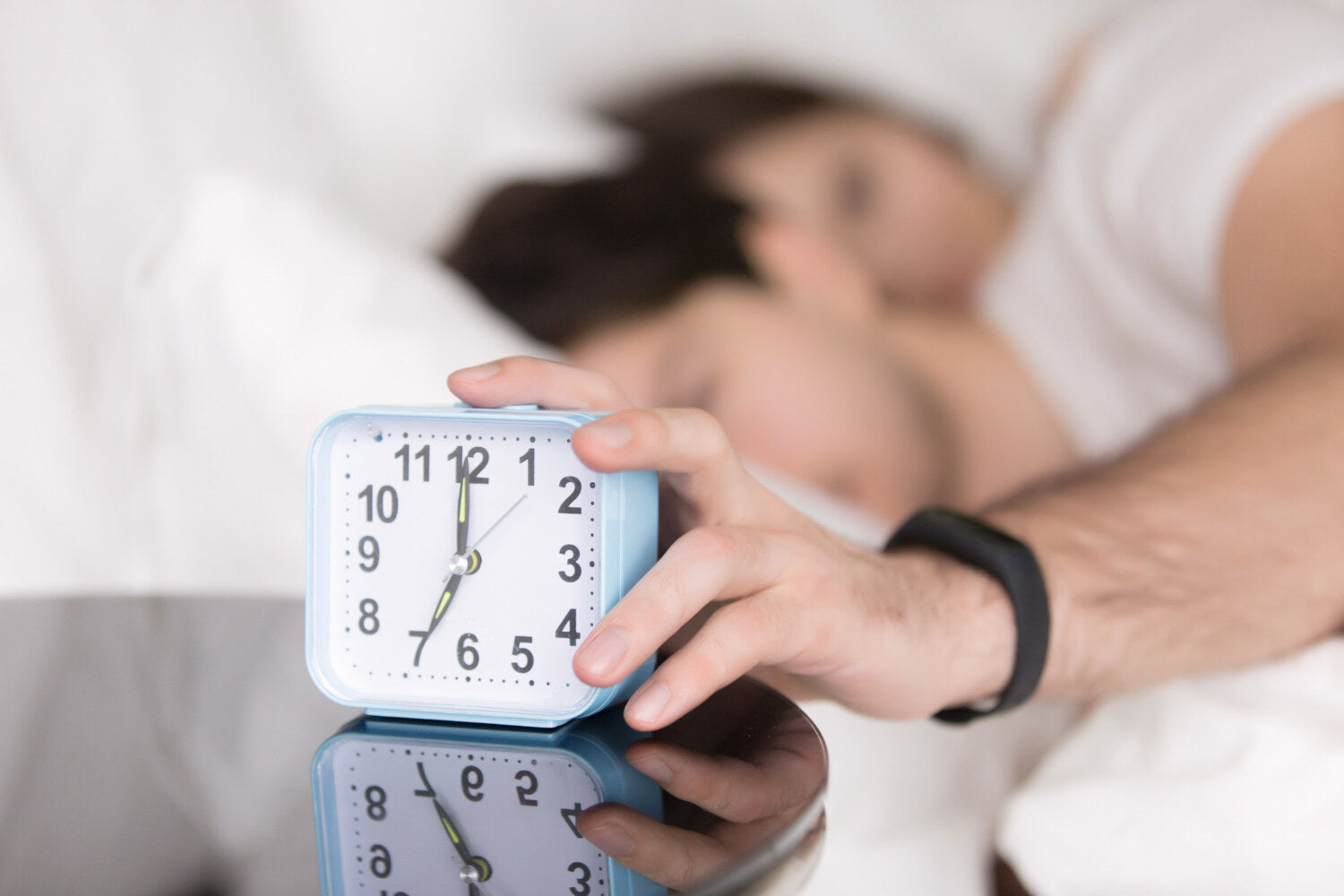
Sleep is a vital process for the body to regenerate itself and to maintain mental and physical health. However, sleep needs are not the same for everyone. The ideal sleep duration and hours can vary depending on age, gender, and lifestyle.
In addition to sleep duration, the times of falling asleep and waking up are also an important factor. Especially a sleep schedule that is in sync with the circadian rhythm helps to ensure a higher quality and more restful sleep.
In this article, we will address ideal sleep durations according to age and gender, the most efficient sleep hours, and how a sleep routine should be, using detailed tables.
What Is the Most Ideal Sleep Time?
The most ideal sleep time is the time period most suited to the body's biological clock (circadian rhythm). Generally, sleeping between 22:00 and 06:00 provides the most efficient and high-quality sleep process.
Below is a table showing sleep quality based on the time you fall asleep:
|
Sleep Start Time |
Sleep Quality |
|
21:00 |
Very Good |
|
22:00 |
Good |
|
23:00 |
Average |
|
00:00 and later |
Low |
Starting to sleep between 22:00 and 23:00 is the best option. When staying up late, sleep quality drops and the body cannot fully rest.
What Is the Ideal Sleep Time for Adults?
For adults, the ideal sleep duration is 7-9 hours. However, this duration can vary based on a person's age and gender.
Ideal Sleep Duration for Men
-
An average of 7-9 hours of sleep is recommended.
-
The body needs sufficient rest for muscle repair and hormone production.
Ideal Sleep Duration for Women
-
An average of 7-9 hours of sleep is necessary.
-
During pregnancy, sleep needs may increase and 8-10 hours are recommended.
|
Gender |
Recommended Sleep Duration |
|
Man |
7-9 hours |
|
Woman |
7-9 hours (8-10 hours during pregnancy) |
Women may sometimes need more sleep than men due to hormonal changes. However, for both genders, 7-9 hours of sleep is the most ideal duration.
What Is the Ideal Sleep Time for Children?
For children's growth and development, sleep duration changes depending on age. The following table shows the recommended sleep durations for different age groups:
|
Age Group |
Recommended Sleep Duration |
|
Newborn (0-3 months) |
14-17 hours |
|
Infant (4-11 months) |
12-15 hours |
|
Toddler (1-2 years) |
11-14 hours |
|
Preschool (3-5 years) |
10-13 hours |
|
School Age (6-13 years) |
9-11 hours |
|
Adolescent (14-17 years) |
8-10 hours |
Children need more sleep, and this duration decreases as they get older. Especially during adolescence, getting 8-10 hours of sleep is important for learning and development.
What Is the Ideal Sleep Time for a Person?
In general, the recommended sleep duration for adults of all ages is 7-9 hours.
However, personal sleep needs can vary depending on age, genetic structure, lifestyle, and health status.
|
Age Group |
Ideal Sleep Duration |
|
18-25 years |
7-9 hours |
|
26-64 years |
7-9 hours |
|
65+ years |
7-8 hours |
For a healthy individual, the most ideal sleep duration is between 7-9 hours. As age increases, this duration may drop to 7-8 hours.
What Are the Most Efficient Sleep Hours?
The most important factor determining sleep quality is the hours in which one falls asleep. The most efficient sleep duration is between 22:00 - 02:00, when the transition to deep sleep begins.
|
Time |
Sleep Quality |
|
22:00 - 02:00 |
Most Efficient |
|
02:00 - 04:00 |
Average |
|
04:00 - 06:00 |
Low |
Sleep between 22:00 - 02:00 includes the deep sleep process that is most beneficial for the body. Being asleep during these hours is critical for cell regeneration, strengthening the immune system, and increasing mental performance.
Frequently Asked Questions (FAQ) – Sleep and Sleep Routine
1. Which hours provide the highest quality sleep?
The highest quality sleep is between 22:00 - 02:00. During these hours, the body releases melatonin, cell regeneration accelerates, and the transition to deep sleep is achieved. For the best rest, it is recommended to sleep between 22:00 - 23:00 at night and wake up between 06:00 - 07:00 in the morning.
2. How many hours should be the ideal sleep?
The ideal sleep duration for adults is between 7-9 hours.
-
Less than 6 hours of sleep can lead to fatigue and lack of focus.
-
More than 10 hours of sleep can cause sluggishness and a slowing of the metabolism.
-
For people over 65, 7-8 hours of sleep is sufficient.
3. What is the most efficient sleep routine?
The most efficient sleep routine is to have a regular and uninterrupted sleep schedule.
-
Go to sleep and wake up at the same time every day.
-
Sleeping between 22:00 - 23:00 and waking up between 06:00 - 07:00 is one of the most efficient routines.
-
Keep your sleep environment cool, quiet, and dark.
-
Stop using your phone, computer, and TV before going to bed.
4. How many hours of sleep should I get for my brain to rest?
At least 7 hours of sleep is required for the brain to fully rest.
-
REM sleep and deep sleep strengthen memory and increase mental performance.
-
Less than 5 hours of sleep can cause lack of focus and learning difficulties.
5. How to get the most efficient sleep?
-
Set a regular sleep time. Go to sleep and wake up at the same time every day.
-
Make the bedroom suitable for sleep. Reduce noise, turn off lights, and keep the room cool.
-
Put away phones and computers at least 1 hour before bed.
-
Avoid heavy meals and caffeine in the evening.
-
Reading a book, meditating, or doing light exercise can facilitate sleep.




Share:
What Are the Types of Sleep?
Practical Solutions for Sleeping