


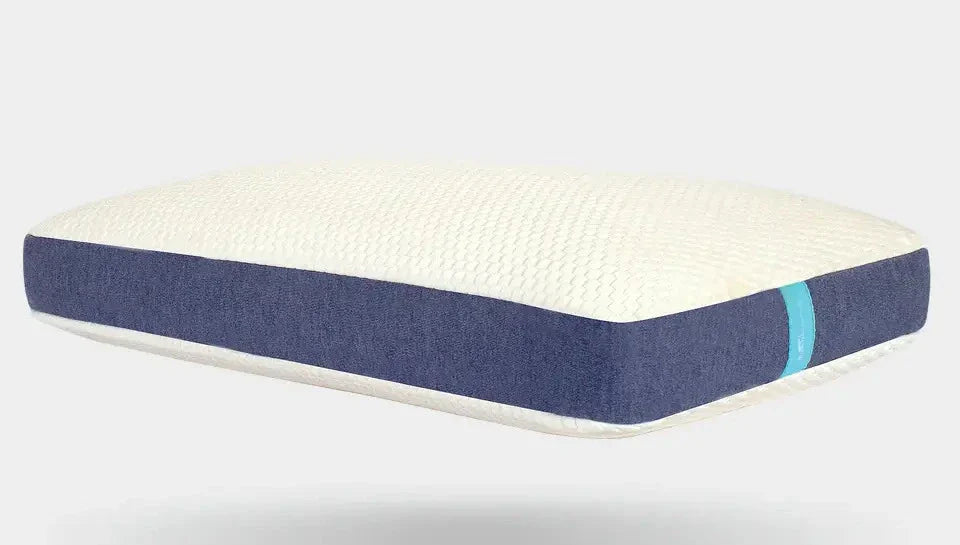
A latex pillow is a type of pillow that uses latex as its internal filling, aiming to provide more balanced support for the neck and head region. Latex can be naturally derived from the sap of rubber trees, or in some products, it may be a synthetic blend. Therefore, the term “latex pillow” does not always describe the same content on its own; the technical specifications and material ratios of the product are important. These details are decisive in the selection process, especially for users expecting natural ingredients.
The fundamental difference of latex pillows is their flexible and resilient structure. They can adapt to the body when you lay your head down while simultaneously responding in a way that maintains their form. This balance is a key point of comfort, especially for users seeking neck support. Furthermore, many latex pillows are manufactured with a porous structure that supports air circulation. This may be a reason for preference for those aiming for a fresher user experience and can help reduce heat buildup throughout the night.
Latex Pillow Features
One of the most prominent features of latex pillows is their ability to maintain their flexibility for a long time. You can expect a structure that compresses when you lay your head down but then recovers. This can delay the flattening of the pillow over time. Additionally, latex pillows can provide a more stable sense of support. The feeling of the “head sinking in,” common in very soft pillows, is usually more controlled with latex.
Another feature is air circulation. In models produced with a porous or perforated structure, the pillow can provide a fresher feel. This can align with the expectations of users who sleep hot or experience sweating issues. Also, latex pillows come in different height and form options. While some models are designed with higher and more defined neck support, others are closer to a classic pillow form. Therefore, when making a selection, it is necessary to look not only at the fact that it is “latex” but also at the height and shape of the pillow.
Is a Latex Pillow Healthy?
Whether latex pillows are considered “healthy” is usually evaluated based on two main issues: neck support and hygiene. A latex pillow chosen at the right height and firmness can help keep the head and neck in better alignment. This can make a positive difference for users who experience morning neck stiffness or shoulder tension. Of course, not every neck pain is caused by the pillow; however, an appropriate pillow can contribute to relaxation by supporting your sleeping position.
On the hygiene side, designs that support air circulation due to the structure of the latex and surface features that help reduce dust accumulation stand out. This is one of the reasons why users with allergy sensitivities often turn to latex pillows. Still, when giving a clear answer to the question “is it healthy?”, one should not ignore the content and quality of the product. The ratio of natural latex, the fabric of the cover, the auxiliary materials used in production, and general quality standards directly affect the user experience.
Can a Latex Pillow Be Washed?
This question is asked very frequently because the majority of users are accustomed to washing their pillows in a machine. However, machine washing is not recommended for the core of most latex pillows. When latex material remains saturated with water, it can become heavy, lose its form, and become difficult to dry. This can negatively affect both comfort and hygiene.
The method generally recommended for latex pillows is as follows:
-
If the outer cover is washable, wash only the cover
-
Clean the core gently on the surface
Of course, not every product is the same; some manufacturers may provide different care instructions. Therefore, the most accurate approach is to follow the care instructions on the product label. In most cases, the real answer to the question “is it washable?” is “the core is not washable, but the cover is.”
How to Clean a Latex Pillow?
The most critical point in cleaning a latex pillow is to consider the core of the pillow and the outer cover separately. Many latex pillows have a removable cover that can be washed according to the instructions on the label. Cleaning the cover at regular intervals is useful for both hygiene and longevity, and it makes the pillow feel fresher.
The latex core of the pillow, on the other hand, is usually maintained not by “washing” but by “surface cleaning.” If a stain or dirt has formed on the surface, gently wiping it with a slightly damp cloth may be sufficient. It is important not to use too much water at this stage. If the latex absorbs water, the drying process may be difficult, potentially leading to odors or deformation. After wiping, it is necessary to dry the pillow completely in a shaded, ventilated place. Leaving it damp is not a good idea and may cause problems in the long run.
For cleaner and more regular use, the following habits can be useful:
-
Ventilating the pillow at regular intervals
-
Cleaning the pillowcase without neglecting it
These simple steps reduce the need for deep cleaning while helping the pillow maintain its form for longer.
How to Get Rid of Latex Pillow Odor?
A slight "new product" scent may be noticeable in newly purchased latex pillows, especially in the first few days. This is not always a negative sign; it often arises due to being kept closed in packaging and diminishes over time. The most effective and safe approach in the odor removal process is to ventilate the pillow properly. Instead of acting hastily, it is healthier to allow a natural process of a few days.
Keeping the pillow in a well-ventilated room for a few days, preferably near a window, can help reduce the odor. The important thing here is not to leave the pillow in direct sunlight for long periods and not to expose it to high heat. Latex can lose its form under extreme heat and unsuitable conditions. Additionally, if you are having odor issues, washing the outer cover at regular intervals is also effective, as the smell is often more noticeable on the outer surface.
The key points to consider during this process are:
-
Do not keep the pillow in closed, airless spaces
-
Do not use sprays to mask chemical odors
Instead of using heavy chemical sprays to mask the odor, it is safer to choose to ventilate the environment and let the pillow rest in a clean, dry area. If the odor does not pass for a long time and is at a disturbing level, checking the content and care instructions of the product and, if necessary, contacting the seller is a more appropriate step.
Is a Latex Pillow Suitable for Children?
Choosing a pillow for children is a more sensitive issue than for adults. This is because the neck and spine structure of children is in the growth process, and a pillow of the wrong height can negatively affect their sleeping position. A latex pillow can be suitable for children, but the decisive factors here are the height and firmness of the pillow. A pillow that is too high or too firm can reduce comfort for children and create an unnecessary angle in the neck region.
If you are considering a latex pillow for your child, there are some points to consider:
-
Choosing a lower profile that is appropriate for their age and shoulder width
-
The fabric of the cover being skin-compatible and breathable
Latex pillows can offer some advantages for children with allergy sensitivities; however, it is still necessary to examine the product content clearly and be cautious about issues such as odor and firmness.
Who Should Prefer a Latex Pillow?
Latex pillows can be a logical option, especially for users seeking neck support and a structure that maintains its form. Those who experience morning neck stiffness, feel shoulder tension during the day, or feel that their pillow collapses in a short time may be more interested in latex pillows. Additionally, users who sleep hot and experience an suffocating feeling on the pillow throughout the night can evaluate the fresher usage potential of latex.
The user profiles for which a latex pillow might be more suitable are generally as follows:
-
Those who want to feel more balanced neck and head support
-
Those who complain about their pillow losing its form in a short time
-
Those looking for a cooler pillow with air circulation
On the other hand, those who like the feeling of very soft, sinking pillows may find a latex pillow firm at first. Therefore, when making a choice, it is important to focus not only on the material but also on the height and firmness of the model.
What Should You Consider When Choosing a Latex Pillow?
A latex pillow is a product that can increase both comfort and the feeling of support when the right model is chosen. To get the best results, you need to determine an option that suits your usage habits, sleep position, and personal comfort expectations. A selection made by evaluating the content, care conditions, and design features of the product together, rather than just looking at the label “latex,” can provide a more satisfying sleep experience in the long run.
Frequently Asked Questions (FAQ) About Latex Pillows
Are Latex Pillows Good for Neck Pain?
When the correct height and firmness are chosen, they can help reduce pain and stiffness complaints by supporting the neck in a balanced way.
Do Latex Pillows Cause Sweating?
Models with a breathable structure usually offer a cooler user experience, but the cover fabric and room temperature also affect the result.
How Long Does a Latex Pillow Last?
Depending on the product quality and usage conditions, it can maintain its form for a long time; regular ventilation and the use of a cover extend its life.
Which Sleep Position Are Latex Pillows Suitable For?
There are suitable options for side and back sleepers; the most accurate choice is to select the pillow height according to your shoulder width.
Do Latex Pillows Cause Allergies?
For most users, it can be a safer option in terms of allergies, but individuals with a specific sensitivity to latex should be careful.



Share:
What Is Natural Latex?
What is a Latex Allergy?