


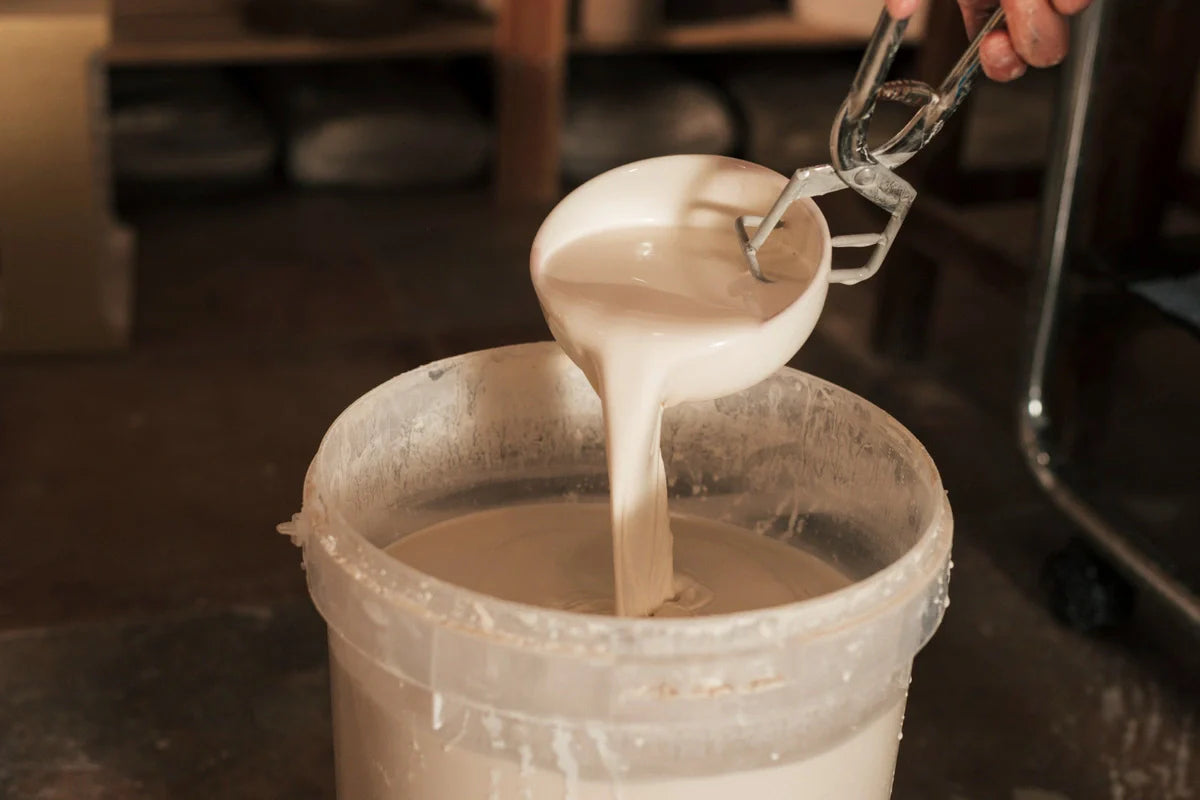
Latexit is a term used particularly in the mattress and foam industry and is often confused with natural latex. To put it clearly, latexit is not natural latex itself, but rather refers to a synthetic sponge/foam structure intended to provide a latex-like feel. Therefore, even though it contains the word “latex” in its name, in terms of content, it usually does not come from a natural latex source.
The reason for using the name latexit is generally to evoke the “latex comfort” perception that users are familiar with. Manufacturers position latexit as a comfort layer and define it with features such as flexibility, softness, and body conformity. The important point here is not to label latexit as good or bad on its own, but rather how well it aligns with the user's expectations.
For example, the evaluation may change depending on expectations:
-
For users looking for natural content, the term “latexit” alone does not provide sufficient information
-
For those looking for a more economical, latex-like comfort feel, latexit can be an alternative in some products
For this reason, reading the material description carefully in products mentioning latexit will prevent the formation of wrong expectations.
What Does Latexit Mean?
The question “What does latexit mean?” usually arises from the following curiosity: Is this product really latex, or is it another material that resembles latex? In daily use, latexit does not usually mean natural latex. It is more of a name used for a synthetic-based sponge or foam layer that aims to provide comfort close to the feel of latex.
This term may appear especially in mattress descriptions, layer lists, or among types of sponges. The critical point here is this: The word “latexit” does not clearly define the content of the material on its own. In some products, this expression is used only to describe a flexible and soft comfort layer.
Therefore, when you see latexit, it is healthier to look at these two questions:
-
What material is this layer actually made of?
-
In which part of the mattress or product is it used?
In short, latexit is a term that suggests “latex-like comfort” to the consumer; however, it should not be thought of as exactly the same thing as natural latex.
What is PU Latexit?
The “PU” in the expression PU latexit is generally used to define polyurethane-based sponges. Therefore, when PU latexit is mentioned, it is understood as a polyurethane-based sponge/foam layer intended to provide a comfort feel similar to latex. Thus, this term points to a group of synthetic materials, not natural latex.
PU latexit can be used in products such as mattresses and pillows to increase comfort. The goal is usually to create a softer contact feel on the surface, increase the body's conformity to the mattress, and reduce the sensation of pressure. However, the elastic response and quick recovery behavior of natural latex and the response of polyurethane sponges can differ depending on density and formulation.
There are some points to consider in products containing PU latexit:
-
The expression “PU latexit” can sometimes be used as a marketing name
-
Actual performance is understood more from technical specifications than from the name
For this reason, when making a selection, it is safer to look not only at the term but also at the layer thickness, density information, firmness feel, cover structure, and manufacturer descriptions together. If natural content is a priority, PU latexit may not meet expectations; it can be evaluated if you are looking for a more affordable comfort close to the feel of latex.
Differences Between Latex and Latexit
Although latex and latexit appear similar in name, they are not the same thing in terms of material structure and user expectations. Making this distinction clear prevents users, especially those looking for “natural latex,” from being directed to the wrong product.
In general use, latex refers to natural latex obtained from the rubber tree. The goal in these products is to provide a flexible, durable, and breathable structure. Latexit, on the other hand, is a synthetic-based sponge/foam expression often used in place of natural latex and attempted to be made to resemble the feel of latex. In other words, latex is used more like a natural raw material, while latexit is used like a comfort layer or product group name.
This difference also becomes apparent during the purchasing process. In latex products, users generally focus on details such as natural ratio, production method, and content safety. On the latexit side, since the content can vary according to the brand, clarity in product descriptions becomes much more important.
The feeling of comfort can also differ between the two materials. Natural latex generally offers a more lively elasticity and quick recovery feature. While latexit can provide softness and flexibility depending on the model, long-term performance and feel may not always be exactly the same as natural latex. For this reason, expectations must be clearly defined when making a selection.
The table below may help to see these differences more clearly:
|
Feature |
Latex |
Latexit |
|
Raw material |
Obtained from the natural rubber tree |
Mostly synthetic sponge / foam |
|
Naturalness |
Contains mostly natural content |
Does not contain natural latex or is very low |
|
Elasticity feel |
More lively, quick-recovering structure |
Softer feel that varies by model |
|
Breathability |
Generally higher |
Varies according to the product's structure |
|
Purpose of use |
To offer natural and durable comfort |
To offer latex-like comfort more economically |
|
Marketing usage |
Refers to the material itself |
Often used as a name for a comfort layer |
|
Who is it for? |
Users looking for natural content |
Those who want a synthetic alternative close to the feel of latex |
This table makes it clearer that latex and latexit are not the same thing and that the choice should be made according to one's expectations.
The answer to the question “Am I looking for natural content, or latex-like comfort?” determines which material is more suitable.
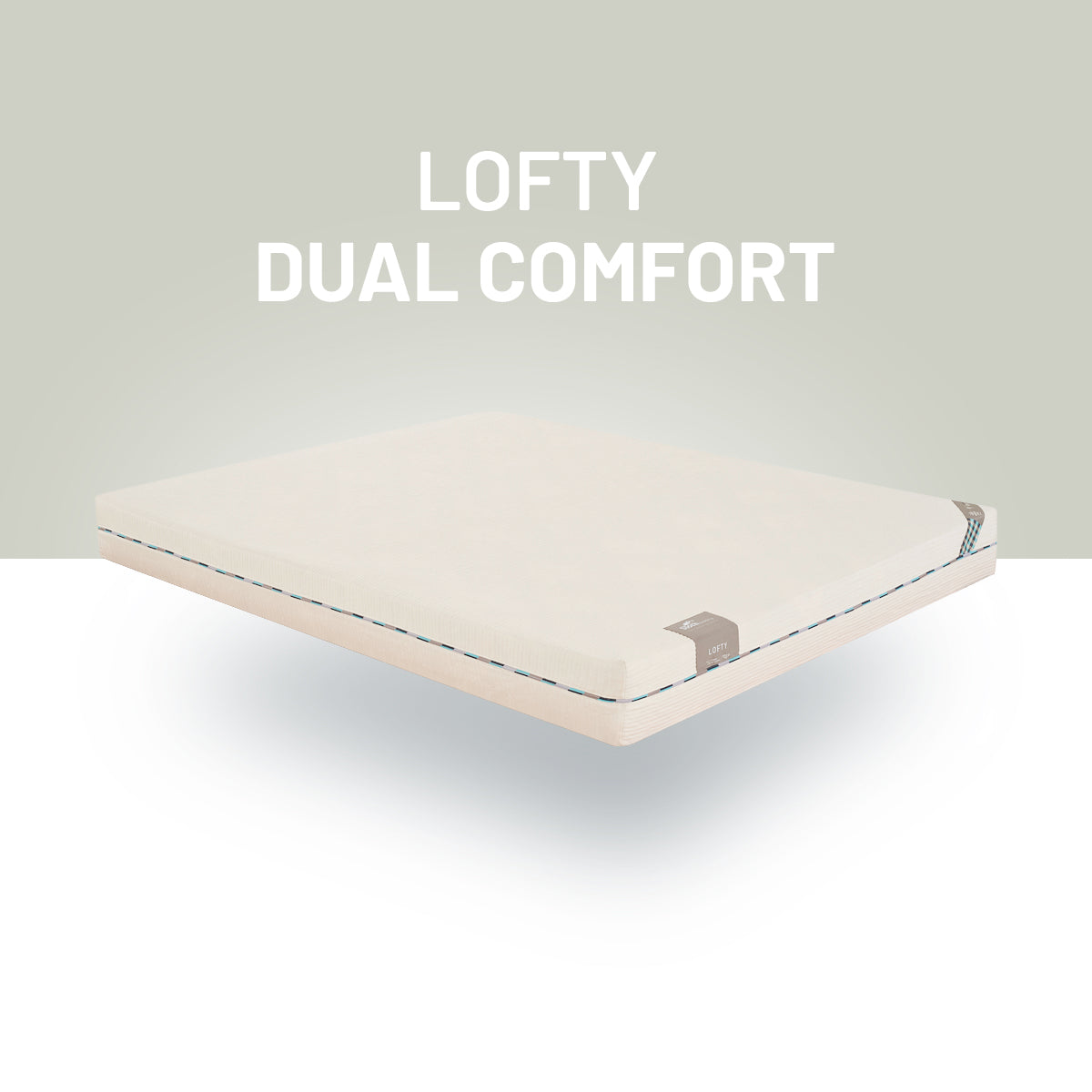
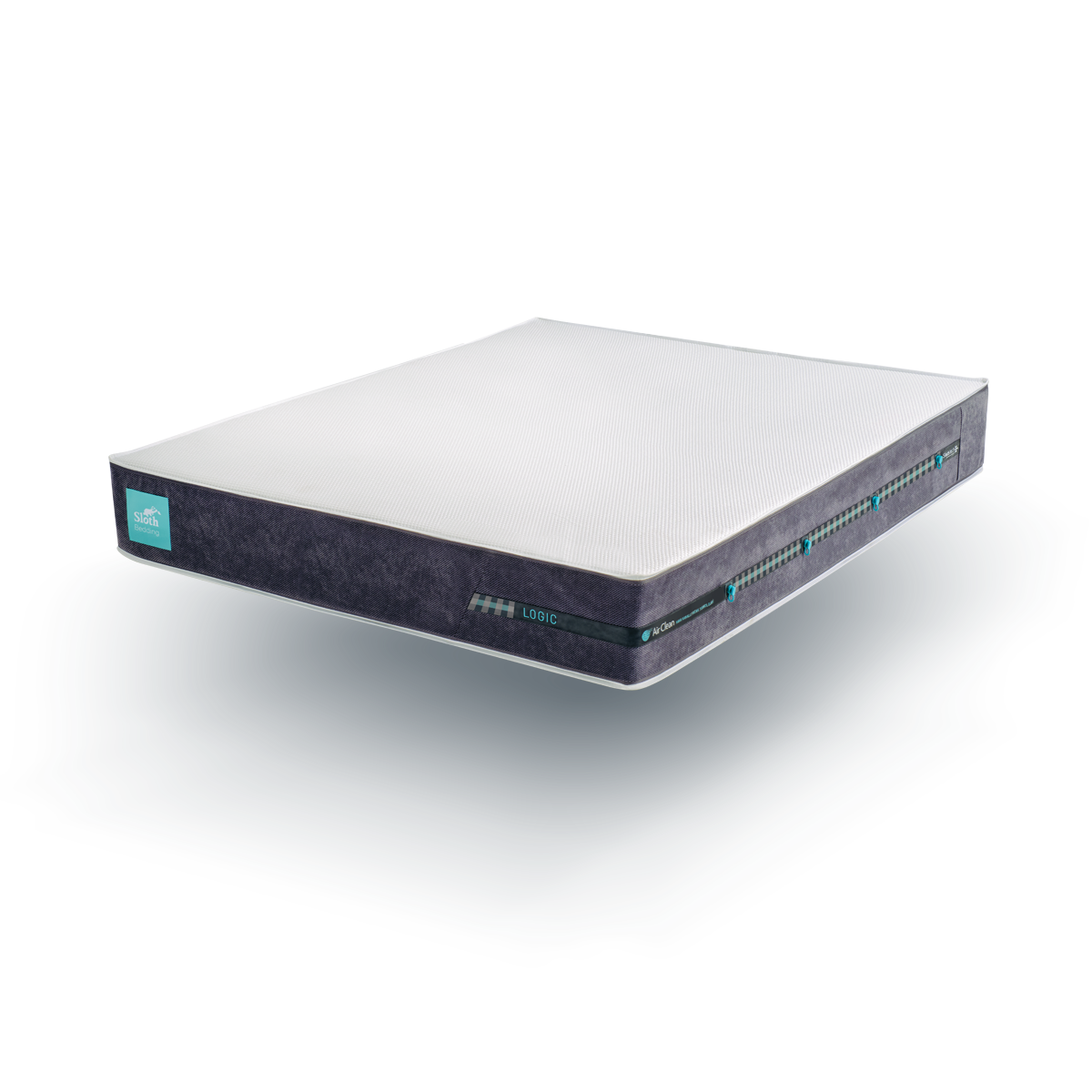
What is a Latexit Mattress?
A latexit mattress refers to the type of mattress where a comfort sponge called “latexit” is used in the mattress layers. This definition does not mean that the mattress necessarily contains natural latex. It points more to a synthetic-based layer that aims for flexibility and a comfort feel similar to latex. Therefore, a latexit mattress should not automatically be put into the same category as a “latex mattress.”
Latexit mattresses are generally preferred for the following purposes:
-
To provide a softer welcoming feel in the top layer
-
To distribute body pressure more evenly
-
To offer a more comfortable surface during sleep
This layer can sometimes make up the entire mattress; in most scenarios, it is used in conjunction with other support layers. For example, there may be a more load-bearing sponge in the bottom layer and a latexit-like layer that increases comfort on top. Therefore, the term “latexit mattress” can often be thought of as a description highlighting one of the layers used in the mattress rather than a mattress type itself.
The most important point to consider when buying a latexit mattress is that the material is clearly expressed in the technical descriptions of the product. The term “latexit” may not represent the same content in every brand. Therefore, layer thicknesses, density information, firmness feel, and other materials used should be evaluated together. If your goal is natural latex, you need to check specifically whether the product has statements that clearly state this.
Frequently Asked Questions (FAQ) About Latexit
Is a Latexit Mattress Healthy?
It depends on the content and production quality of the material; products that offer low odor and good ventilation can feel more comfortable.
Does a Latexit Mattress Make You Sweat?
The breathability of the mattress depends on the layer structure and the cover fabric; some models may keep you warm, while others may be more refreshing.
What is the Difference Between Latexit and Visco?
While Visco gives more of a hugging sensation, latexit generally aims for a more flexible and quick-recovering feel; the density of the product changes the result.
Is a Latexit Mattress Good for Back Pain?
When chosen in the appropriate firmness, it can help with spine support, but the wrong firmness can increase back discomfort.
How Many Years Can a Latexit Mattress Be Used?
It changes according to usage intensity and sponge quality; its lifespan can be extended with proper care and regular ventilation.

Share:
What is a Latex Allergy?
What Is a 100% Natural Latex Mattress?