


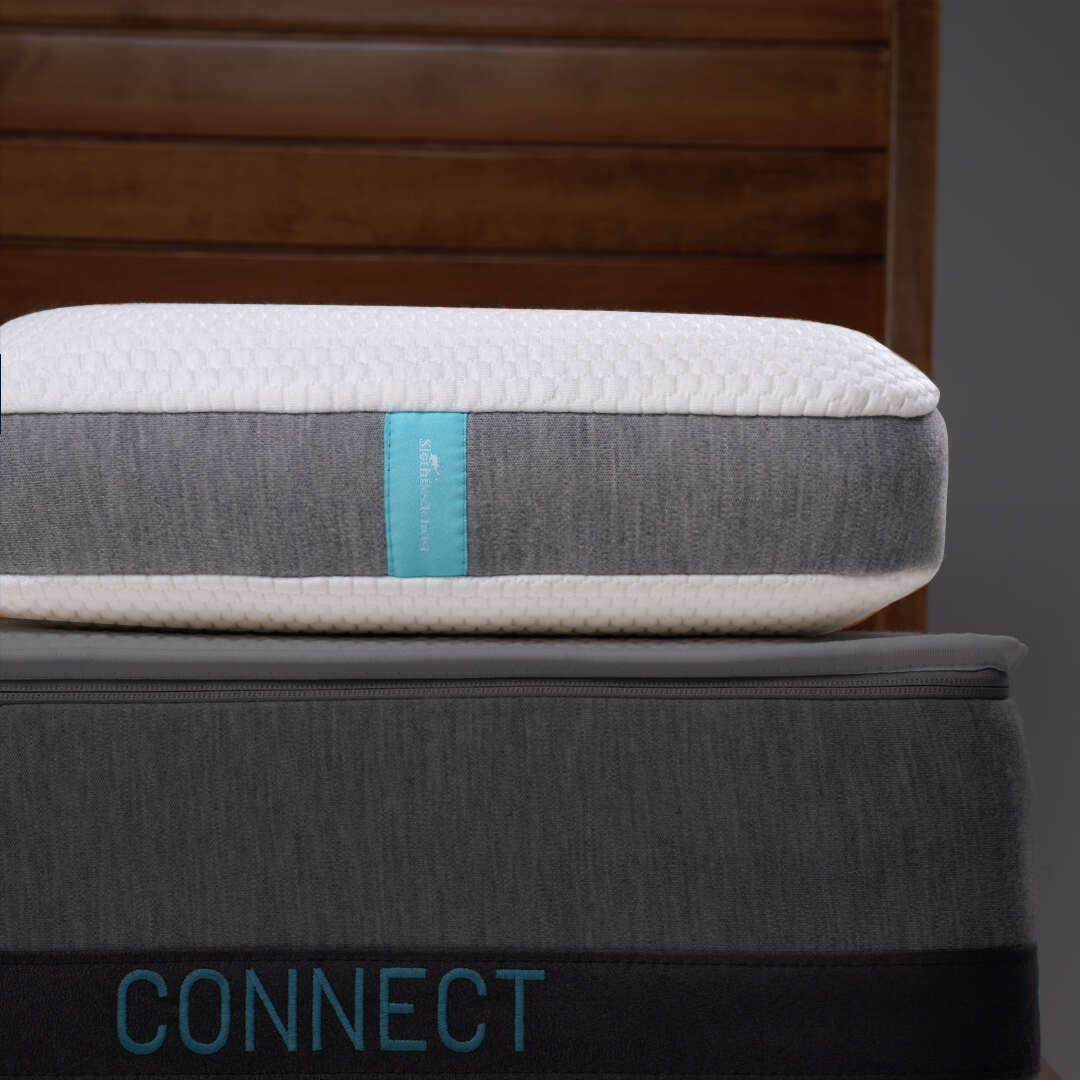
Orthopedic pillows are special pillows designed specifically to support neck, head, and spinal health. These pillows help muscles relax and reduce pressure points by ensuring the body is properly aligned during sleep. Manufactured from materials such as viscoelastic and latex, orthopedic pillows offer a comfortable and supportive sleep experience thanks to their ergonomic structures.
How to Use an Orthopedic Pillow?
Orthopedic pillows are designed to provide a healthy sleep experience by maintaining the natural alignment of the neck and spine. However, to fully benefit from these pillows, it is very important to use them correctly. The right position not only maximizes the support your pillow offers but also helps you reduce neck and back pain.
Orthopedic pillow usage may vary depending on the pillow's shape, material, and your personal sleeping position. Here are the key points to consider when using orthopedic pillows:
Choose a Pillow Suitable for Your Sleeping Position
Sleeping position plays a critical role in choosing an orthopedic pillow. Each position has different support needs, so the shape and design of your pillow should align with these needs:
-
For Side Sleepers: You should choose a pillow with an adjustable height to fill the gap between your neck and shoulder while sleeping on your side. This keeps your spine in a straight line. Additionally, the firmness of the pillow should prevent your head from sinking in too much.
-
For Back Sleepers: A pillow of medium height that supports the natural curve of the head should be preferred. The sloped area of the pillow should sit under your neck to gently support your head and maintain spinal alignment.
-
For Stomach Sleepers: Although sleeping on your stomach is not recommended for neck health, for those who do sleep in this position, a thinner and more flexible pillow should be chosen. This prevents excessive strain on the neck.
Adjust the Correct Height and Shape
The height and shape of your orthopedic pillow are determining factors in maintaining neck and spinal alignment. An incorrect height can disrupt the natural position of your neck, leading to muscle tension and pain.
-
Height Adjustment: You should use a high-loft pillow for side sleeping, medium for back sleeping, and low for stomach sleeping. The part of your pillow that provides neck support should be positioned to prevent your head from tilting too far down or up.
-
Shape Adjustment: The sloped design of orthopedic pillows is specially developed to support the curve of your neck. Using the slope in the correct position helps prevent neck pain.
Position Your Head and Neck Correctly
Correct use of an orthopedic pillow ensures the alignment of the head and neck is maintained. An incorrect position can negate all the advantages the pillow offers.
-
When Sleeping on Your Side: The high part of the pillow should be placed under your neck. Your head should rest on the flat part of the pillow without disrupting the alignment of your spine.
-
When Sleeping on Your Back: The sloped part of the pillow should be placed under your neck, and your head should be slightly elevated and supported. This maintains the correct angle between the head and neck.
-
When Sleeping on Your Stomach: Try to sleep by using a thinner part of your pillow to avoid straining your neck too much. Keep in mind that this position is not ideal for neck health.
How to Use a Visco Orthopedic Pillow?
Visco orthopedic pillows are produced using memory foam technology and offer comfort by perfectly adapting to the head and neck region during sleep. Using these pillows correctly allows you to maximize the comfort and support they provide. Here are important tips regarding visco orthopedic pillow usage:
Use the Correct Surface of the Pillow
Visco orthopedic pillows generally have a contoured design. They have two surfaces: one higher and one lower. The higher part of the pillow should be used under the neck. This design supports the neck cavity while ensuring the head rests in a balanced way.
Position According to Your Sleeping Position
-
When Sleeping on Your Side: The high part of the pillow should be placed to fill your neck cavity. Ensure your spine remains in a straight line.
-
When Sleeping on Your Back: Your head should be supported in the middle part of the pillow, while your neck is supported by the sloped part. This helps maintain the neck curve.
-
When Sleeping on Your Stomach: This position is not compatible with visco pillows because the structure of the pillow may not provide full head and neck support when sleeping on your stomach. Stomach sleeping should be avoided.
Choose the Right Pillow Height
Visco pillows are sensitive to body temperature and can take shape. The height of the pillow should be chosen in a way that supports your neck and keeps your spine aligned. If the pillow is too high or too low, it may cause neck pain.
Pillow Care and Usage Duration
-
Visco pillows usually come with removable and washable covers. Cleaning the cover regularly is important for hygiene.
-
Do not wash the inside of the pillow directly; only clean the cover and air out the inner part periodically.
-
Memory foam can lose its properties over time. Consider replacing your pillow when its support decreases or when deformation begins.
Visco orthopedic pillows are an ideal choice for supporting neck and spinal health. When used correctly, these pillows alleviate your pain and improve your sleep quality.
How to Use an Orthopedic Pillow for a Herniated Disc in the Neck?
A herniated neck disc is caused by the deterioration of the structure of the discs in the cervical region of the spine and can cause severe pain. Orthopedic pillows are an excellent aid for alleviating this pain and supporting neck alignment. However, using these pillows correctly is critical for effective relief.
Choosing the Right Pillow
For people with a herniated neck disc, the choice of pillow should be based on its firmness, height, and shape:
-
Medium-Firm Pillows: Instead of very hard or very soft pillows, you should choose a medium-firm orthopedic pillow that supports the neck in a balanced way.
-
Contoured Pillows: Contoured orthopedic pillows specifically designed to support the natural curve of the neck are ideal for people with a herniated neck disc.
Usage According to Sleeping Position
People with a herniated neck disc should carefully adjust their sleeping position when using the pillow:
-
Back Sleepers: The sloped part of the pillow supporting the neck should be placed under the neck. Having the head slightly elevated helps maintain the natural alignment of the spine.
-
Side Sleepers: The height of the pillow should fill the gap between the neck and the shoulder. This ensures the spine stays in a straight line.
-
Stomach Sleepers: This position is not recommended for people with a herniated neck disc because it can disrupt the natural alignment of the spine and increase pressure on the neck.
Positioning the Neck and Head
-
Correct Support: Your head should be in the middle of the pillow, and your neck should receive support from the contoured area. This allows the neck muscles to relax.
-
Avoid Incorrect Positions: Having your head too high or too low can increase symptoms of a herniated neck disc. Therefore, ensure the pillow is adjusted to the correct height.
Pillow Care and Usage Duration
-
Orthopedic pillows should be aired out regularly, and their covers should be cleaned.
-
The deformation of the pillow over time can cause it to lose its supportive properties. When you notice a deterioration in the structure of your pillow, you should consider replacing it with a new one.
Orthopedic pillows offer an effective solution for people with a herniated neck disc, both in alleviating pain and providing better quality sleep. However, it is important to remember that these pillows are not curative on their own. If your symptoms persist, it is recommended to consult a doctor.
What are the Symptoms of Neck Straightening?
Neck straightening is a condition caused by the loss of the natural curve in the cervical region of the spine. This ailment causes the structure that provides correct posture between the head and neck to deteriorate and can manifest with various symptoms. Here are the most common ones:
-
Neck Pain: Constant or intermittently increasing pain felt in the neck region.
-
Headache: Tension-type headaches, especially starting from the base of the skull and spreading upwards.
-
Shoulder and Back Pain: Neck straightening can also cause feelings of discomfort in the shoulder and back region.
-
Limited Mobility: Difficulty in moving the neck left, right, up, or down.
-
Dizziness: Balance problems caused by tension in the neck muscles.
-
Fatigue and Sleep Problems: Decreased sleep quality due to discomfort in the neck region.
These symptoms can affect daily life in advanced cases and can lead to more serious musculoskeletal problems if left untreated.
How to Use an Orthopedic Pillow for Neck Straightening?
Orthopedic pillows provide effective support for people experiencing neck straightening. When used correctly, these pillows can restore the neck curve and alleviate pain. Here is what you need to pay attention to:
Pillow Shape and Usage
-
Pillow Design: The contoured structure of orthopedic pillows is specially designed to support the neck cavity. These pillows help restore the natural curve of the neck.
-
Usage Position: Place the contoured part of the pillow under your neck. Your head should remain on the flat part of the pillow, and your spinal alignment should be preserved.
Adjustment According to Sleeping Position
-
Back Sleepers: The most suitable position for people experiencing neck straightening is sleeping on the back. The contoured part of the pillow should support your neck, and your head should be slightly elevated.
-
Side Sleepers: The height of the pillow should be adjusted to fill the gap between the neck and the shoulder. This ensures the spine stays in a straight line.
-
Stomach Sleepers: Sleeping on the stomach can worsen neck straightening. Avoiding this position is recommended.
Regular Use of the Pillow
-
Using the orthopedic pillow regularly every night helps the neck muscles work in the correct position.
-
If the pillow deforms over time, it may lose its supportive property. In this case, your pillow might need to be replaced.
Orthopedic pillows can provide long-term relief and support for people with neck straightening. However, pillow use alone may not be a sufficient treatment. Physiotherapy or medical intervention may be necessary when required.
Warning: This content has been prepared for informational purposes only and does not replace a treatment recommendation specific to your health condition. If you have problems such as neck straightening, a herniated neck disc, pain, or limited mobility, it is important to consult an orthopedist, physiotherapist, or a doctor experienced in sleep health. The use of an incorrect mattress or pillow can lead to the worsening of existing ailments. It is recommended to seek the advice of your healthcare professional when choosing orthopedic products.
Discover Comfort with Slothbedding Pillows
Choosing the right pillow is one of the most important steps in supporting your neck health and having a quality sleep experience. Slothbedding offers pillow options suitable for your needs with their ergonomic design and high-quality materials.
-
Superior Comfort with Visco Technology: Slothbedding pillows provide full support to the head and neck area with memory foam technology. This feature reduces pressure, offering a comfortable sleep for people with conditions such as neck straightening or a herniated neck disc.
-
Design Suitable for Different Sleeping Positions: Whether you sleep on your side or back, Slothbedding pillows are designed to maintain your spinal alignment.
-
High Quality and Durability: Slothbedding products are manufactured from durable materials for long-term use.
If you want to choose a pillow suitable for your needs for a healthy sleep experience, check out the Slothbedding pillow collection here!
Frequently Asked Questions About Orthopedic Pillows
Is an Orthopedic Pillow Washable?
The outer covers of orthopedic pillows are usually washable. However, the inner part should not be washed.
Is an Orthopedic Pillow Machine Washable?
The pillow cover can be machine washed, but the inner part of the pillow should not be machine washed.
What Should Be Considered When Buying an Orthopedic Pillow?
Factors such as material, firmness level, and neck support should be considered when choosing a pillow.
Is an Orthopedic Pillow Washable in the Washing Machine?
Only the cover can be washed in the washing machine; the inner part should not be washed.
Does an Orthopedic Pillow Work?
When used correctly, it can alleviate pain and improve sleep quality.
What Should an Orthopedic Pillow Be Like?
The pillow should provide head and neck support, be made of the right material, and be suitable for the sleeping position.




Share:
What Is a Hybrid Mattress? What Are the Benefits of a Hybrid Mattress?
Methods to Wake Up, Wake Yourself Up With These Methods