


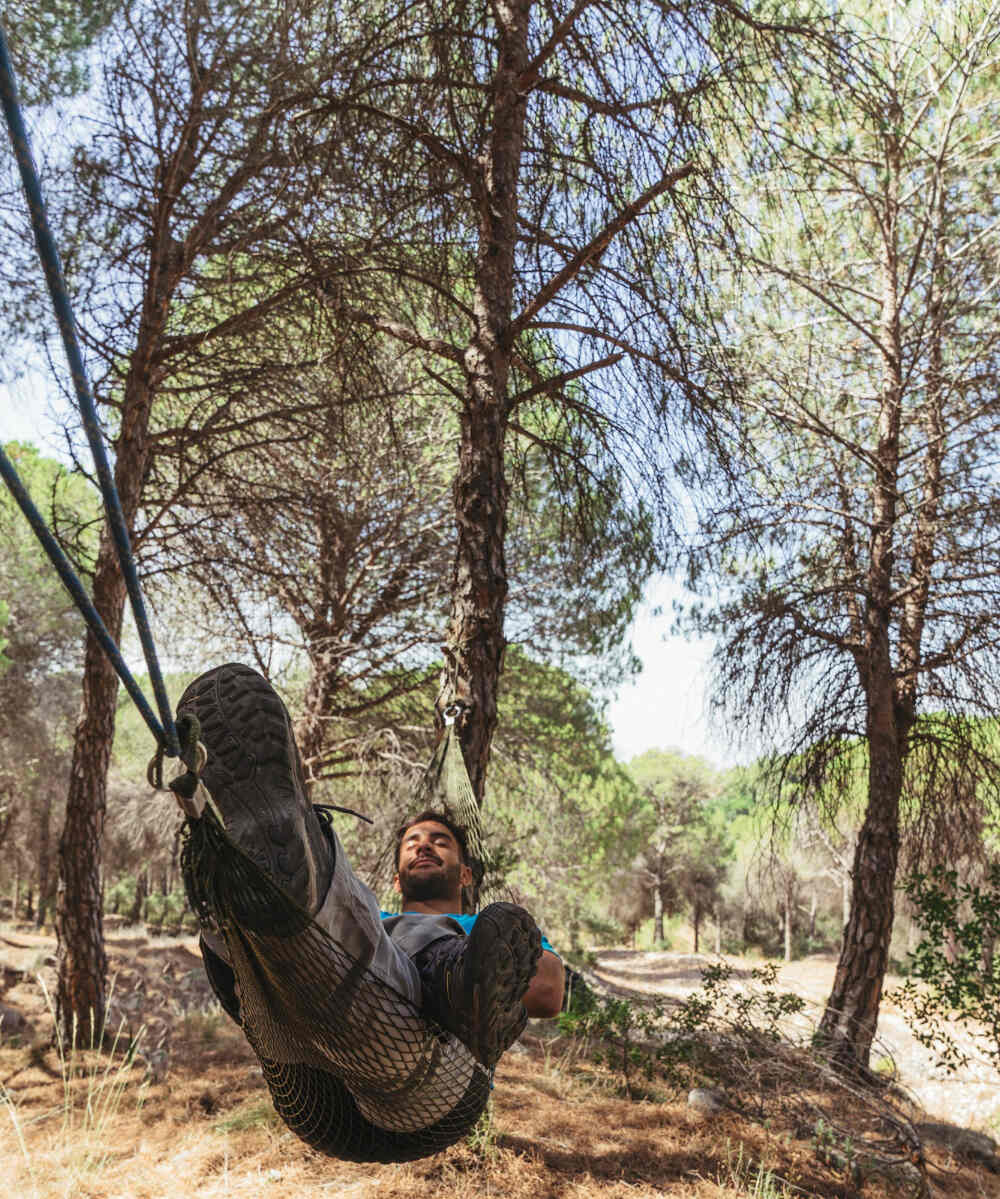
Taking a short nap in the middle of the day sounds nice, doesn't it? This habit is so common in some cultures that even official business hours have been shaped around this sleep pattern. What we are talking about is: the Siesta. So, what is a siesta, in which countries is it practiced, how scientifically beneficial is it, and does it have any drawbacks? Let’s examine the siesta nap in all its aspects.
What Does Siesta Mean?
The word "siesta" is derived from the Latin "sexta hora" (sixth hour). This phrase described a rest break taken during the sixth hour of the day (i.e., around 12:00 PM) in the Roman era. Over time, it passed into Spanish as "siesta" and became a concept representing an afternoon nap.
Today, when someone asks "what does siesta mean," it generally refers to a short nap taken during the afternoon hours. However, a siesta is not just a nap; it is also a way of life.
What is a Siesta Nap? Definition of a Short Afternoon Nap
A siesta nap is a short, restorative daytime nap taken in the afternoon (usually between 1:00 PM and 3:00 PM). This nap lasts between 20 and 30 minutes and allows the person to refresh mentally and physically.
Experts state that this short nap is in harmony with the body's biological clock and increases energy levels. Since siesta hours specifically coincide with the times when people naturally experience an energy dip, this form of resting can produce quite productive results.
What is Siesta Culture? A Traditional Habit of Resting
Siesta culture has developed especially in countries with warm climates. People preferred to rest in their homes rather than work outside during the hottest hours of the day. Over time, this habit became a cultural tradition and has been officially supported in some societies.
For example, in Spain, many shops and businesses close in the afternoon. People use this time to eat, rest, or take a short nap. In other words, the siesta is not just a nap but a natural part of social life.
In Which Countries Is the Siesta Nap Common?
If you are wondering in which countries the siesta nap is common, you should know that it is not limited to Spain. Here is a list of some countries where siesta culture is strong:
-
Spain
-
Italy (often known as "riposo," especially in the southern regions)
-
Greece
-
Mexico
-
Philippines
-
China (the habit of an afternoon nap continues in modern cities as well)
-
Japan (even though the term "siesta" is not used, short nap breaks are encouraged in offices)
In these countries, the siesta is a common practice for both personal and public health.
What Time Should You Take a Siesta? The Most Productive Time Slot
The question of what time a siesta should be taken is very important in terms of sleep quality. According to experts, the most suitable time frame is:
Between 1:00 PM and 3:00 PM.
During these hours, the body's natural energy level drops. In other words, a siesta is in harmony with the biological rhythm. However, care should be taken not to exceed 30 minutes. Otherwise, one might enter the deep sleep phase and find it difficult to wake up.
What Are the Benefits of a Siesta Nap?
The benefits of a siesta nap have also been scientifically proven. Here are the contributions of this short nap to the body and mind:
-
Provides mental refreshment
-
Increases focus and attention span
-
Reduces stress
-
Boosts creativity
-
May reduce the risk of cardiovascular disease
-
Compensates for sleep deprivation
-
Strengthens memory
A short nap during the day can be restorative, just like the REM phase of nighttime sleep. It is an ideal support mechanism, especially for those working in jobs requiring intense mental effort.
How to Adapt the Siesta Habit to Daily Life?
In today's urban life, practicing a siesta might seem difficult. However, it is possible to incorporate this habit into your daily routine with small adjustments. Here are a few suggestions:
-
Take a 20-minute nap break after lunch
-
If you are at the office, close your eyes and focus on resting
-
Silence your phone and create a dim environment
-
Finish caffeine consumption before these hours
Even a short siesta enables you to be more productive, focused, and balanced for the rest of the day.
Does a Siesta Improve Sleep Quality?
Research shows that, provided it does not completely replace nighttime sleep, taking a siesta can improve sleep quality. Especially for individuals with a lack of nighttime sleep, this short daytime nap is beneficial for energy balance.
However, what needs to be considered here is the duration and timing of the siesta. Otherwise, falling asleep at night might become difficult.
The Relationship Between Siesta Naps and Productivity
In the modern business world, productivity is very important. Therefore, many companies grant their employees short nap breaks. Research shows that practicing siestas:
-
Increases work efficiency
-
Reduces errors
-
Accelerates decision-making processes.
Especially technology companies (such as Google, NASA) have integrated siesta-like practices into their workspaces.
Is Taking a Siesta Harmful? What Should You Pay Attention To?
As with everything, balance is important when practicing a siesta. The question "is a siesta harmful" might be relevant and valid for some people:
-
Those with sleep apnea
-
Those experiencing nighttime sleep disorders
-
Older individuals (nighttime sleep is more fragile)
For these individuals, taking a siesta too late or for too long can negatively affect their nighttime sleep. Therefore, it is best to adjust according to personal needs.
Frequently Asked Questions (FAQ) about Siesta
1. How long should a siesta last?
A siesta nap should ideally last between 20–30 minutes. This duration prevents the body from entering the REM (deep sleep) phase and makes waking up easier. Siestas lasting longer than 30 minutes can lead to a feeling of grogginess and disruption of nighttime sleep.
2. Can taking a siesta every day become a habit?
Yes, when practiced regularly, the body makes a habit of the siesta. Short and regular daytime naps in accordance with the biological rhythm provide both mental and physical benefits. However, a daily siesta should not replace nighttime sleep.
3. Does a siesta disrupt nighttime sleep?
A siesta taken at the right time and for the right duration does not harm nighttime sleep. However, siestas lasting longer than 30 minutes or shifted to evening hours can disrupt sleep patterns. Individuals who already have sleep problems should be especially careful in this regard.
4. Who is not recommended to take a siesta?
A siesta can create negative effects in some cases. The following people should be careful:
-
Those with sleep apnea or serious sleep disorders
-
Those working the night shift
-
Older age group (nighttime sleep is more superficial)
For these individuals, the siesta should be limited to doctor's advice.
5. Is a siesta only practiced in hot countries?
No, a siesta can be practiced not only in hot climates but also in modern city life. In countries like Japan, China, and the USA, short nap breaks are supported in offices. Technology companies encourage this practice to increase productivity.


Share:
What is a Power Nap? How to do it?
Why Do We Suddenly Feel Sleepy? What Are the Reasons?