



Quality sleep strengthens the immune system, boosts mental and physical performance, and improves overall health. A pre-sleep routine helps prepare the body and mind for rest. A regular bedtime routine reduces stress and anxiety, allowing for a more peaceful transition to sleep. Meditation and relaxation techniques are highly effective in this process.
Steps to Creating a Bedtime Routine
Morning and Daytime Habits
Waking up early and getting sunlight during the day helps regulate the biological clock. Regular exercise also improves sleep quality. Being active during the day ensures deeper and higher-quality sleep at night.
Evening Bedtime Routines
It is necessary to avoid heavy meals and foods that are difficult to digest in the evening. It is important to eat dinner early and opt for light snacks. This allows the body to complete the digestive process, facilitating a transition to restful sleep.
Things to Do Before Sleep
Stopping the use of electronic devices 1-2 hours before bed is important to let the brain rest. Instead, reading a book, listening to light music, or meditating is more beneficial. These activities calm the mind and make it easier to fall asleep.
Soothing Pre-Sleep Activities
Meditation and Deep Breathing Exercises
Meditation and deep breathing exercises calm the mind and relax the body. These activities reduce stress and anxiety, facilitating the transition to sleep. Simply sit in a comfortable position, take deep breaths, and try to clear your mind.
Light Exercises
Yoga or stretching exercises loosen muscles and make it easier to fall asleep. Such light exercises relax the body while calming the mind.
Preparing the Sleep Environment
Ideal Room Temperature
The ideal sleeping environment should be approximately 20°C. The humidity level of the room is also important for sleep quality. Control the room temperature and humidity to ensure a comfortable sleep environment.
Choosing the Ideal Mattress and Pillow
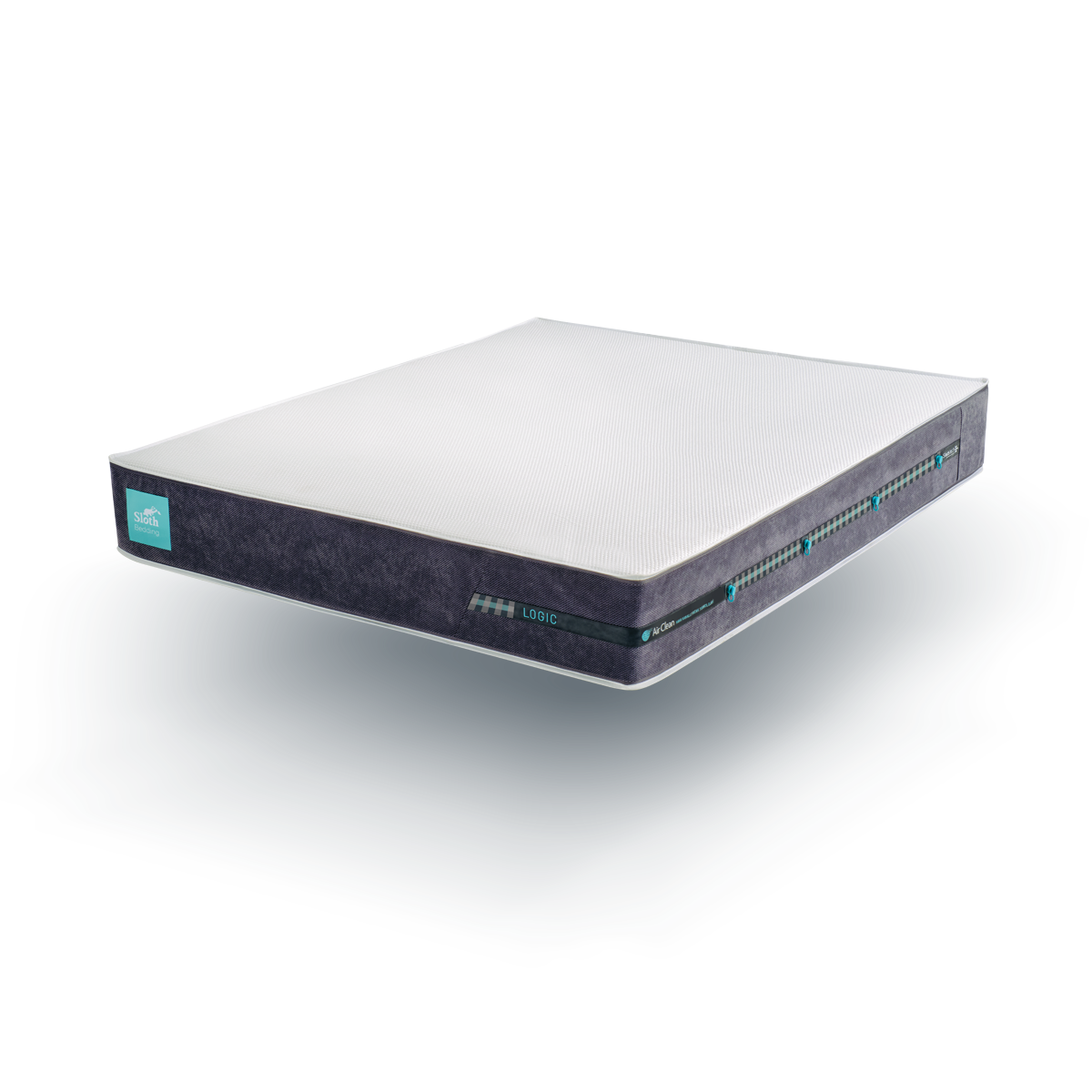
Choosing a comfortable mattress and pillow improves sleep quality. Products that provide orthopedic support should be preferred. The mattress should support the natural curves of your body and relieve pressure points. The pillow should maintain the alignment of the neck and spine.
Light and Sound in the Ideal Sleep Environment
A dark and quiet environment is ideal for sleep. Blackout curtains and earplugs can be used if necessary. This prevents external factors from disrupting your sleep quality.
Pre-Sleep Nutrition and Beverages
Foods and Drinks to Avoid Before Sleep
Caffeine, alcohol, and heavy meals negatively affect sleep quality. Such consumption should be avoided. Caffeinated beverages (coffee, tea, cola) and alcohol disrupt the sleep cycle and lower sleep quality.
Recommended Light Pre-Sleep Snacks
Light snacks like milk, bananas, and almonds can help with sleep. Herbal teas also provide relaxation. Relaxing herbal teas like chamomile tea or lemon balm tea can be preferred.
Frequently Asked Questions (FAQ)
I Have Trouble Falling Asleep, What Should I Do?If you have trouble falling asleep, create a relaxing routine before bed. You can meditate, practice deep breathing exercises, or take a warm shower. Also, make your sleep environment dark and quiet.
I Wake Up Often at Night, How Can I Prevent This?
If you wake up frequently at night, review your sleep routine. Avoid eating heavy meals before bed and limit alcohol consumption (if any). Control the room temperature and choose a comfortable mattress/pillow.
How Do Electronic Devices Affect My Sleep Quality?
Electronic devices emit blue light, which inhibits melatonin production and lowers your sleep quality. Therefore, you should stop using electronic devices at least 1 hour before bed.
I Don't Know How to Meditate, Where Should I Start?
To start meditating, you can use guided meditation apps or videos. Simply sit in a comfortable position, take deep breaths, and try to clear your mind.
What Should I Pay Attention to When Choosing a Mattress and Pillow?
When choosing a mattress and pillow, products offering orthopedic support should be preferred. The mattress should support the natural curves of your body and relieve pressure points. The pillow should maintain the alignment of the neck and spine.
Which Beverages Should Be Consumed/Avoided Before Sleep?
You should avoid caffeinated beverages (coffee, tea, cola) before sleep. Instead, you can prefer relaxing herbal teas such as chamomile tea or lemon balm tea. Also, drinking milk can help you sleep.
By following these steps and suggestions, you can create an effective pre-sleep routine for higher quality and more peaceful sleep. Remember, sleep quality has a significant impact on your overall health and quality of life.


Share:
Orthopedic, Comfortable, and Practical Bed Models
What are Orthopedics and Ergonomics?