


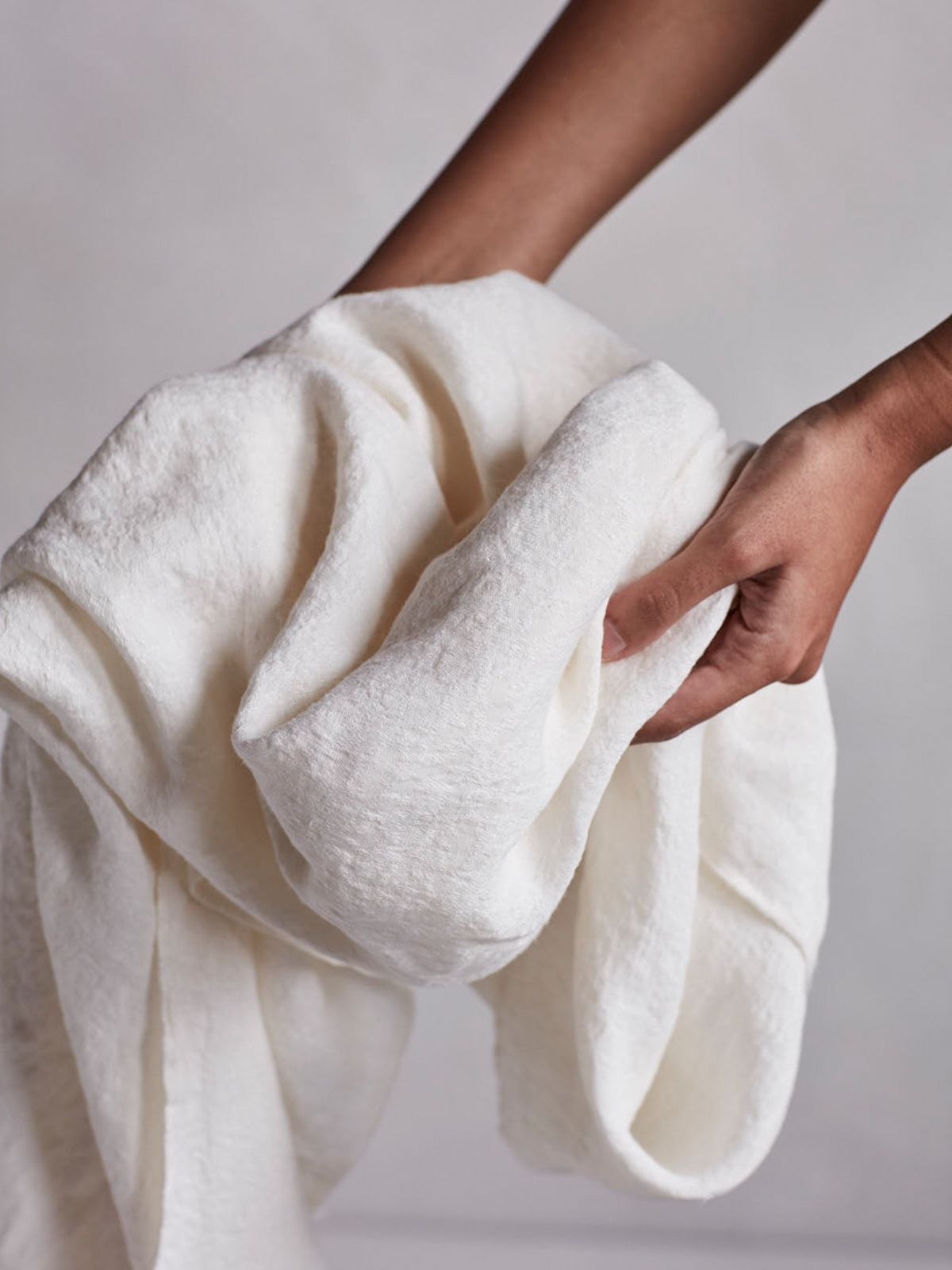
Mattresses, which help you rest by relieving all the tiredness of the day, are products that need to be cleaned at regular intervals. Under normal conditions, bacteria formation on the mattress increases due to regular use. This lowers sleep quality and paves the way for various health problems. Therefore, cleaning mattresses at certain periods is very important both for sleep quality and health. So, how is mattress cleaning done at home, and what are the advantages of self-cleaning mattresses?
Step-by-Step Mattress Cleaning
Mattresses are furniture that closely affect your sleep quality and allow you to start the new day energetically. The higher quality and more hygienic your preferred mattress is, the more vigorous you will feel and the better you will protect your general health, especially your musculoskeletal system. For this reason, it is necessary for the mattress you choose to be of high quality and for it to be cleaned at regular intervals to maintain this quality. Otherwise, both particles such as dust and dirt from the environment and body fluids such as sweat that occur during sleep will penetrate into the mattress, leading to bad odor problems. Additionally, it increases bacteria accumulation on the mattress, reducing sleep quality and causing problems such as frequent waking up at night or waking up feeling unrested in the morning.
To avoid such problems, you can perform mattress cleaning, especially during seasonal transitions. You can follow the steps below to maximize sleep hygiene:
- First, start by removing the bed covers. While you are cleaning your mattress, wash the bed linens in the washing machine and prepare new sheets to put on at the end of the process.
- Then, vacuum the mattress to clear it of debris such as hair, lint, and dust. Make sure the nozzle you use is clean and carefully vacuum the stitching gaps on the mattress.
- After vacuuming, proceed to the step of removing stains caused by use or tea and coffee marks on the mattress. Make sure the cleaning materials and cloths you use for this process do not damage the mattress. Also, prefer to apply the stain remover by spraying it onto a cloth or mixing it into water instead of applying it directly to the mattress. This way, you can prevent unwanted deformations. Before applying this process, it would be much better to contact the authorized company and learn what to wipe the mattress with.
- Leave the wiped mattress to air out and wait until it is completely dry. In the meantime, you can perform mattress cleaning with baking soda to prevent the mattress from getting damp. For this, you can sprinkle a little baking soda over the mattress.
- Flip the completely dry mattress over and apply the same steps to this side as well.
- Finally, once the surface you flipped is dry, spread clean sheet sets on the mattress.
By following the steps above, you can perform a detailed mattress cleaning. By using both sides of your mattress, you can increase its service life and prevent potential sleep problems.
Mattress cleaning is vital for creating a healthy sleep environment and ensuring general hygiene. Over time, dust mites, skin flakes, sweat, and stains accumulate on mattresses. These pollutants can cause allergies, respiratory problems, and reduced sleep quality. Regular mattress cleaning helps prevent these health issues and extends the mattress life.
Mattress Cleaning Products
-
Baking soda:
-
White vinegar:
-
Hydrogen peroxide:
-
Natural cleaning agents:
Mattress Cleaning Equipment
-
Vacuum cleaner:
-
Steam cleaner:
-
Soft brushes:
-
Clean cloths:
Steps for Mattress Cleaning
Mattress cleaning is an important step that should be done regularly to ensure a healthy sleep environment. By carefully following the cleaning steps, you can keep your mattress hygienic and ensure it lasts longer.
Preparation
First, remove the bed sheets, pillowcases, and other bed covers and wash them with hot water. This kills dust mites and bacteria. It is recommended to wash sheets weekly.
Mattress Surface Cleaning
Vacuum the surface of the mattress with the mattress attachment of your vacuum cleaner. This cleans the dust and other particles on the mattress. Clean thoroughly by paying attention to the edges and corners. Be careful not to damage the fabric of the mattress by using the soft attachments of your vacuum.
Deep Mattress Cleaning
Sprinkle a thin layer of baking soda over the mattress surface and let it sit for a few hours. Baking soda neutralizes bad odors and refreshes the mattress. Then, clean off the baking soda with a vacuum cleaner. Baking soda absorbs moisture and odor from the mattress, which provides a cleaner and fresher mattress.
Steam Cleaning
Use a steam cleaner to provide deep cleaning and hygiene. A steam cleaner kills bacteria and dust mites by producing high-temperature steam. This step is especially important for preventing allergic reactions. Before using the steam cleaner, check if it is suitable for the material of the mattress.
Drying and Airing
Ensure the mattress dries completely and airs out. After cleaning, the mattress drying thoroughly prevents the formation of mold and dampness. You can open a window or use a fan to air out the mattress.
What Are the Methods for Removing Stains from a Mattress?
There are effective methods for removing various stains that you may encounter during mattress cleaning. By using the right techniques, you can easily clean the stains on your mattress and ensure your mattress remains clean and hygienic.
How to Remove Blood Stains from a Mattress?
Use cold water and hydrogen peroxide to remove blood stains. Pour a little hydrogen peroxide on the stain and rub gently with a cloth. Hydrogen peroxide prevents the blood from clotting and the stain from becoming permanent.
How to Remove Sweat Stains from a Mattress?
Clean sweat stains with white vinegar and baking soda. Pour a little white vinegar on the stain, then sprinkle baking soda and wait for a while. Then wipe with a cloth and rinse. White vinegar effectively removes yellow stains caused by sweat.
How to Remove Urine Stains from a Mattress?
Clean urine stains with white vinegar, baking soda, and soapy water. Pour the vinegar on the stain, sprinkle baking soda, and let it sit for a while. Then wipe with soapy water and rinse. This method is effective for both fresh and dried urine stains.
What Are the Common Mistakes in Mattress Cleaning?
Common mistakes in mattress cleaning can negatively affect the hygiene and lifespan of your mattress. By avoiding these mistakes, you can ensure your mattress remains clean and healthy.
What Happens If the Mattress Stays Wet?
It is important that the mattress dries sufficiently. A mattress that remains wet can lead to mold and bacterial growth. Make sure the mattress is completely dry after cleaning. This is especially important after using a steam cleaner.
What Is the Use of Incorrect Cleaning Products?
Harsh chemicals can damage the mattress fabric. Prefer natural and mattress-friendly cleaning products. For example, using baking soda and white vinegar instead of harsh chemicals like bleach or ammonia is safer.
What Does Not Cleaning the Mattress Regularly Cause?
Neglecting mattress cleaning can lead to health problems and a shorter mattress lifespan in the long run. Prevent these problems by cleaning your mattress regularly. It is recommended to perform a deep clean at least every six months.
Extra Tips
Mattress cleaning and maintenance directly affect your sleep quality and health. Protecting your mattress by using mattress protectors, choosing natural cleaning products, and performing regular cleaning helps you maintain mattress hygiene at the highest level.
Use of Mattress Protectors
Mattress protectors guard your mattress against stains, dust mites, and other pollutants. You can opt for waterproof and anti-bacterial mattress protectors. These protectors are ideal, especially for children's beds and families with pets. Washing mattress protectors regularly helps maintain mattress hygiene and extends the life of the mattress.
How Should the Selection of Correct Cleaning Products Be?
It is important to choose the right products for mattress cleaning. Natural cleaning products offer chemical-free and eco-friendly options. Substances like baking soda, white vinegar, and hydrogen peroxide are effective in removing stains and neutralizing bad odors. Additionally, special mattress cleaners available on the market can also be used.
Why Is Regular Cleaning and Maintenance Important?
Cleaning your mattress regularly ensures it remains hygienic. Perform surface cleaning with a vacuum cleaner once a month and apply a deep clean every six months. Also, changing your sheets once a week prevents the accumulation of dust mites and bacteria.
Rotating and Flipping the Mattress
Rotating and flipping your mattress at regular intervals ensures even wear and extends its lifespan. Rotating your mattress every three months and flipping it every six months helps the mattress materials last longer. This simple maintenance step preserves the comfort and supportive structure of your mattress.
Why Is Using an Air Purifier in the Bedroom Important?
Using an air purifier in the bedroom reduces the airborne spread of dust and allergens. This is especially beneficial for allergy and asthma patients. Air purifiers improve sleep quality by providing cleaner and fresher air in the bedroom.
Air Clean Cleaning Technology
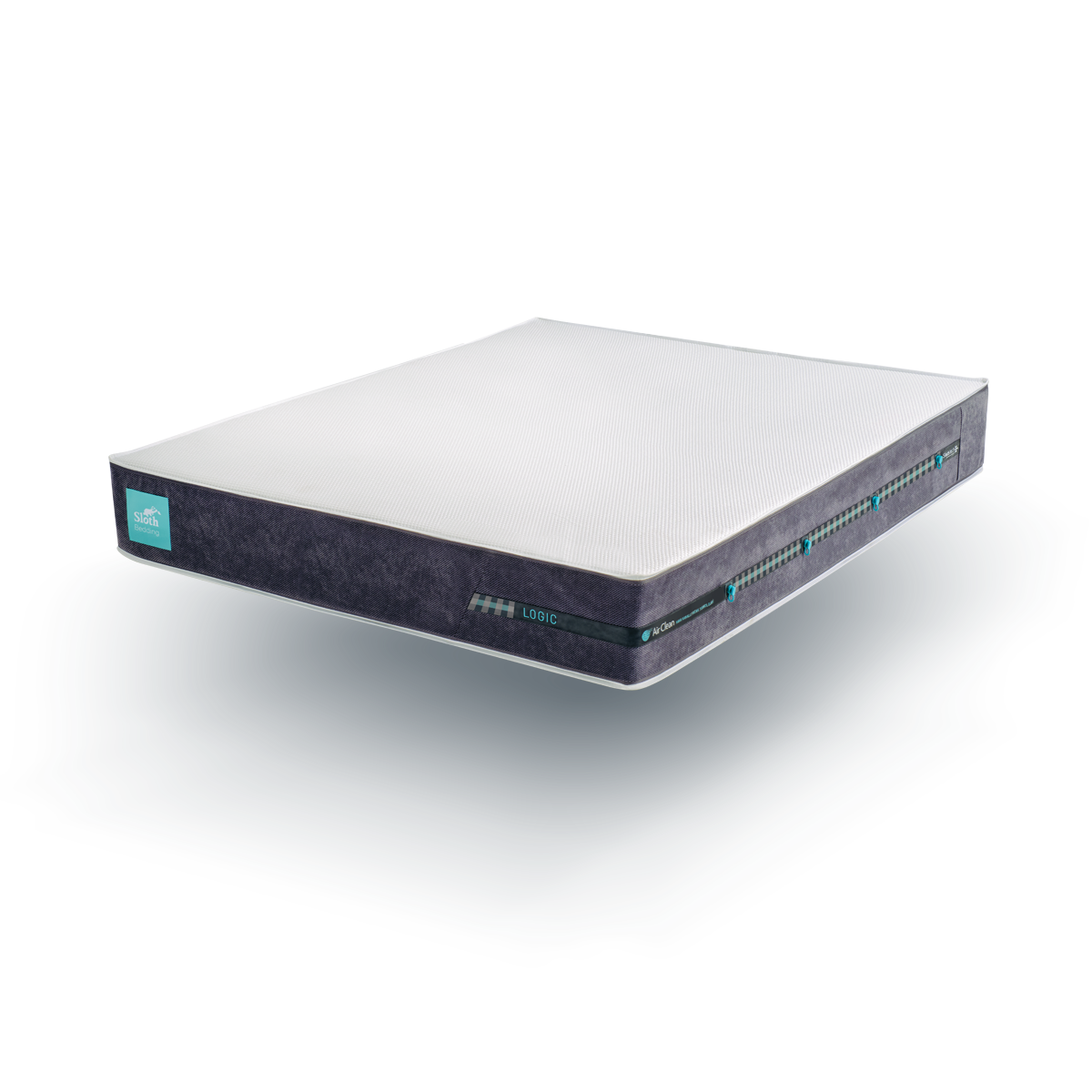
Although it is essential to clean mattresses that become dirty over time, this process can be more troublesome than you think. Sometimes, while cleaning a heavily soiled mattress, you may have to wait longer than a day for it to dry and spend the night on the couch. Other times, you may develop moisture and odor problems on the mattress because you put the bedding back on before the mattress has dried. For all these reasons, how to clean a mattress is a subject you should know well and apply with care. However, Sloth Bedding Air Clean technology relieves you of this burden and allows your mattress to clean itself. This makes it possible for you to get a hygienic, sterile, and healthy sleep every time.
This system, controlled via a mattress cleaning generator, reaches different mattress layers by sending ozone gas into the air channels inside the mattress. In this way, it eliminates all harmful formations such as mold, fungus, mites, and bacteria in the mattress, starting from the deepest layer. This patented cleaning technology, which delivers air to every point of the mattress, ensures your mattress always remains hygienic and clean without using any chemicals. Thus, it constantly maintains healthy and comfortable sleep quality.
You too can reach out to Sloth Bedding representatives to get to know the self-cleaning mattress technology and get rid of the trouble of mattress cleaning.
Frequently Asked Questions About Mattress Cleaning
How often should I clean my mattress?
It is recommended that you clean your mattress at least every six months. However, if you have health issues like allergies or asthma, you may need to clean it more frequently. Also, washing sheets and pillowcases weekly is important.
Which products should I use for mattress cleaning?
Natural cleaning agents, mattress cleaners, and steam cleaners are ideal for mattress cleaning. Substances like baking soda, white vinegar, and hydrogen peroxide are effective and safe.
Is mattress cleaning with a vacuum cleaner sufficient?
A vacuum cleaner is sufficient to remove dust and dirt from the surface, but using a steam cleaner for deep cleaning will be more effective. Regular cleaning with a vacuum prevents the accumulation of dust mites.
Is using a steam cleaner safe for mattress cleaning?
Steam cleaners provide hygiene by producing high-temperature steam and are a safe cleaning method. However, check if your mattress is suitable for a steam cleaner and follow the manufacturer's instructions.
How can bad odors on a mattress be removed?
You can use baking soda to eliminate bad odors on the mattress. Sprinkle baking soda over the mattress, wait a few hours, and then clean it with a vacuum cleaner. Baking soda absorbs bad odors and refreshes your mattress.
Mold has formed on the mattress, how do I clean it?
You can use a mixture of white vinegar and tea tree oil to clean mold stains on the mattress. Apply this mixture to the mold stain and wipe with a cloth. This method disinfects your mattress while removing the mold.
How does mattress cleaning affect asthma or allergies?
Regular mattress cleaning can alleviate asthma and allergy symptoms by reducing dust mites and other allergens. Cleaning eliminates allergens accumulated in the mattress and provides a healthier sleep environment.
Regular mattress cleaning helps you protect your health and ensure better sleep quality. By following these steps, you can keep your mattress clean and hygienic.

Share:
What Kind of Mattress Should People With Back Pain Choose?
What Causes Itching? What Is Good for Itching?