


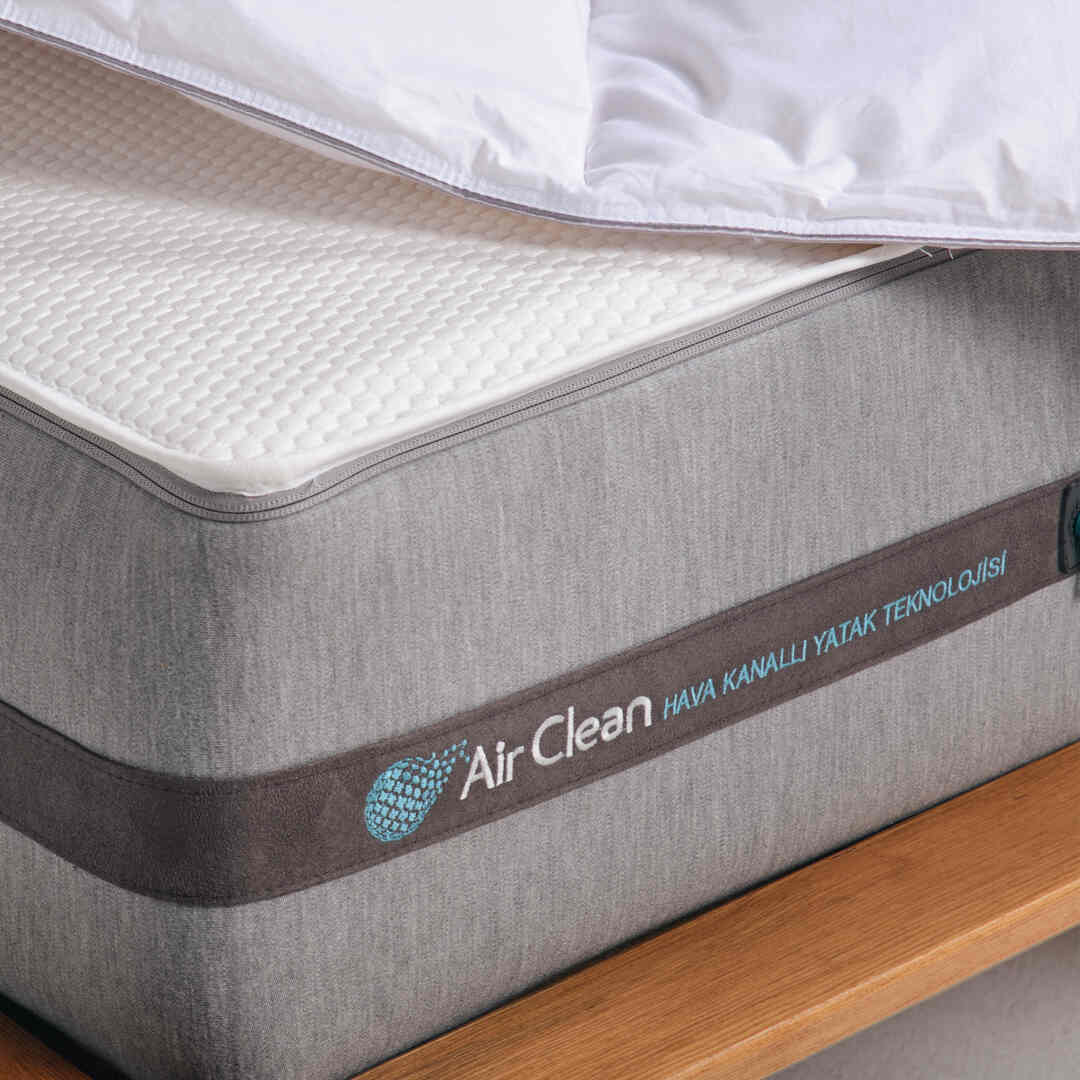
Today, people are placing greater importance on healthy sleep habits to improve their quality of life. Creating a healthy sleep environment is possible not only with a comfortable mattress but also with hygienic mattresses that protect against allergens. Anti-allergic and antibacterial mattresses are specialized types of mattresses that meet this need. These mattresses help prevent health issues that can be caused by allergens and bacteria.
Definition of Anti-Allergic Mattresses
Anti-allergic mattresses are manufactured from materials that prevent the accumulation of common allergens such as dust mites, pollen, mold, and pet dander in the bed. These mattresses offer a more comfortable sleep for allergy sufferers by keeping away particles that can cause allergic reactions.
Definition of Antibacterial Mattresses
Antibacterial mattresses are designed with special materials that prevent the growth and spread of bacteria and microorganisms. Coatings with antibacterial properties, such as silver ions, minimize bacterial growth on the surfaces of these mattresses. These mattresses protect skin health and reduce the risk of infection.
Differences Between These Mattresses and Other Mattress Types
Unlike ordinary mattresses, anti-allergic and antibacterial mattresses offer additional protection, especially in terms of health and hygiene. Standard mattresses can lead to the accumulation of bacteria and allergens if they are not cleaned regularly. Conversely, anti-allergic and antibacterial mattresses possess features developed to keep these harmful agents away.
Benefits of Anti-Allergic and Antibacterial Mattresses
Health Benefits
Anti-allergic and antibacterial mattresses provide a cleaner and healthier sleep environment by keeping allergens and bacteria that could adversely affect health away from the bed. This positively influences overall health and increases resistance to illness.
Effects on Allergy and Asthma Patients
These mattresses provide a significant benefit, especially for allergy and asthma patients. Since they prevent allergens from harboring in the bed, they reduce allergy symptoms and minimize asthma attacks. This allows for easier breathing throughout the night and, consequently, better quality sleep.
Effects on Sleep Quality
A hygienic sleep environment increases the depth and quality of sleep. Anti-allergic and antibacterial mattresses help you wake up more rested in the mornings by reducing sleep disturbances. Furthermore, these mattresses provide a comfortable sleep throughout the night by balancing body temperature.
Technologies Used in the Production of Anti-Allergic and Antibacterial Mattresses
Anti-allergic and antibacterial mattresses are produced with advanced and innovative technologies to provide a healthy sleep environment.
Anti-Allergic Technologies
Anti-allergic mattresses are manufactured with special fabrics that provide protection against allergens. The covers of these mattresses are equipped with microfiber technology that prevents dust mites and other allergens from accumulating in the bed. Additionally, these mattresses are generally supported by hypoallergenic filling materials.
Antibacterial Technologies
Antibacterial mattresses contain natural antibacterial components such as silver ions. Silver ions disrupt the cell structure of bacteria, preventing them from reproducing. Nanotechnology is also widely used in the production of these mattresses. Thanks to this technology, long-term protection against bacteria is provided.
Nanotechnology and Silver Ions
Nanotechnology ensures that coatings applied to the mattress surface are effective at a microscopic level. Silver ions neutralize bacteria and microbes, creating a hygienic environment in the bed. This technology ensures that the antibacterial properties of the mattresses remain long-lasting.
Materials Used in Anti-Allergic and Antibacterial Mattresses
The quality and effectiveness of anti-allergic and antibacterial mattresses are directly related to the materials used in their production. The special materials used in producing these mattresses provide protection against allergens and bacteria while simultaneously offering a comfortable and healthy sleep environment.
Natural Latex
Natural latex is a material frequently preferred in the production of anti-allergic mattresses. Being naturally hypoallergenic, latex prevents the formation of dust mites and mold. At the same time, it increases sleep comfort by balancing body temperature.
Organic Cotton
Since organic cotton is produced without undergoing chemical processing, it minimizes the risk of allergies. With its skin-friendly and breathable structure, organic cotton is another preferred material for anti-allergic mattresses.
Hypoallergenic Fibers
Hypoallergenic fibers are synthetic or natural materials specifically processed to prevent the accumulation of allergens in the bed. These fibers provide comfort during sleep with their softness and flexibility.
Antibacterial Coatings
Antibacterial coatings consist of special substances applied to the mattress surface that prevent bacteria from multiplying. These coatings ensure a hygienic environment on the mattress surface and protect skin health.
Production Process of Anti-Allergic and Antibacterial Mattresses
For anti-allergic and antibacterial mattresses to offer superior protection and comfort, they must undergo a meticulously executed production process. This process is carried out by observing high standards at every stage, from raw material selection to final quality control tests.
Raw Material Procurement
The materials used in the production of mattresses are carefully selected in accordance with quality standards. Raw materials such as natural latex, organic cotton, and hypoallergenic fibers are chosen to impart anti-allergic and antibacterial properties.
Production Stages
Mattress production is carried out with high-tech machinery. Anti-allergic mattresses are covered with fabrics resistant to dust mites, while antibacterial mattresses are equipped with coatings enriched with silver ions. Quality control is performed at every stage of the production process.
Quality Control and Testing Processes
After the production stage, the mattresses are subjected to various tests. In addition to their anti-allergic and antibacterial properties, they are also tested for durability and comfort. Mattresses that pass all tests are subjected to a final quality check before being offered for sale.
Things to Know About Anti-Allergic Mattresses
Anti-allergic mattresses are mattresses that provide great relief for people with respiratory conditions such as allergies and asthma. There are some important factors to be aware of when choosing and using these mattresses.
Factors That Cause Allergies
Allergies are generally caused by environmental factors such as dust mites, pollen, pet dander, and mold. These allergens can accumulate in beds and cause allergic reactions.
Relationship Between Allergens and Mattresses
Mattresses are one of the places where allergens accumulate the most. Anti-allergic mattresses provide a cleaner sleep environment by preventing these allergens from harboring on the mattress surface.
How Anti-Allergic Mattresses Fight These Factors
Anti-allergic mattresses combat these allergens thanks to special coatings and hypoallergenic materials. These mattresses reduce allergy symptoms and prevent allergens from accumulating in the bed.
Things to Know About Antibacterial Mattresses
Antibacterial mattresses offer important advantages in terms of hygiene and health. Specifically developed to provide protection against skin sensitivity and the risk of infection, these mattresses are equipped with special technologies that prevent the reproduction of bacteria and microorganisms.
Protection Against Bacteria
Antibacterial mattresses contain coatings that prevent the growth of bacteria and microorganisms. This feature ensures the mattress remains hygienic and protects skin health.
Prevention of Bacterial Infections
These mattresses provide great protection, especially for individuals prone to skin infections. Antibacterial coatings prevent bacteria from accumulating in the bed and reduce the risk of infection.
Effects of Antibacterial Properties on Health
Antibacterial mattresses are effective in preventing bacterial-based skin problems and infections. These mattresses are ideal for people with particularly sensitive skin.
Things to Consider When Choosing Anti-Allergic and Antibacterial Mattresses
Important Criteria in Choosing a Mattress
When choosing a mattress, it is important to select a model suitable for your allergy status and skin sensitivity. Additionally, the mattress's firmness level, material quality, and hygiene features should be taken into account.
Quality and Durability
A long-lasting and durable mattress provides advantages both in terms of health and economy. Therefore, when choosing a mattress, it is important to prefer those produced from high-quality materials.
Firmness and Support Level
The firmness level of the mattress should be suitable for your sleep position and body type. An appropriate firmness level protects spinal health and prevents muscle pain.
Warranty and Certifications
When purchasing a mattress, attention should be paid to the warranty period and whether it holds international health certifications. These certifications indicate the reliability and quality of the mattress.
Maintenance and Cleaning of Anti-Allergic and Antibacterial Mattresses
Correct Cleaning Methods
The cleaning of anti-allergic and antibacterial mattresses is of great importance in terms of preserving their properties. Suitable cleaning methods and products should be used for mattress cleaning.
Cleaning and Care Products
The products to be used in cleaning these mattresses must have hypoallergenic and antibacterial properties. This minimizes the risk of allergies while protecting the hygiene of the mattress.
Periodic Maintenance and Usage Recommendations
It is recommended that mattresses be aired and cleaned periodically to ensure they are long-lasting. Additionally, you can ensure the mattress stays clean by using mattress protectors.
Customer Reviews and Experiences
Real User Experiences
Users are satisfied with the positive effects of anti-allergic and antibacterial mattresses on health and comfort. Allergy and asthma patients, in particular, state that they experience a higher quality sleep thanks to these mattresses.
Satisfaction and Complaints
In general, customer satisfaction regarding these mattresses is high. However, some users may have differing views regarding the firmness level. Therefore, it is important to pay attention to personal preferences when choosing a mattress.
Customer Recommendations
Users recommend anti-allergic and antibacterial mattresses especially for individuals prone to allergies and for children. Additionally, the fact that these mattresses are long-lasting and durable increases the level of satisfaction.
Which Mattress Is Right for Me?
Price Ranges
Anti-allergic and antibacterial mattresses are offered in a wide price range depending on the materials and technologies used. When choosing a mattress that fits your budget, it is important to strike a balance between quality and features.
Price-Quality Balance
The balance between price and quality should be a decisive factor in your mattress selection. While a cheap mattress may lead to health issues in the long term, a high-quality mattress can provide you with years of comfortable sleep.
Points of Purchase and Recommendations
It is recommended that you purchase anti-allergic and antibacterial mattresses from reliable points of sale and certified stores. Additionally, you can make an accurate choice by reading customer reviews on online shopping sites.
Conclusion: The Importance of Anti-Allergic and Antibacterial Mattresses
General Assessment and Recommendations
Anti-allergic and antibacterial mattresses are an excellent choice for creating a healthy sleep environment. These mattresses provide a major advantage in terms of both health and comfort with the protection they offer against allergens and bacteria.
The Importance of Choosing the Right Mattress for Healthy Sleep
Choosing the right mattress affects not only your sleep quality but also your overall health. Therefore, selecting a model that suits your needs and health condition will make a significant difference in the long run.


Share:
Bed Cleaning and Long-Term Use Tips for Children
How to Improve Sleep Quality?