


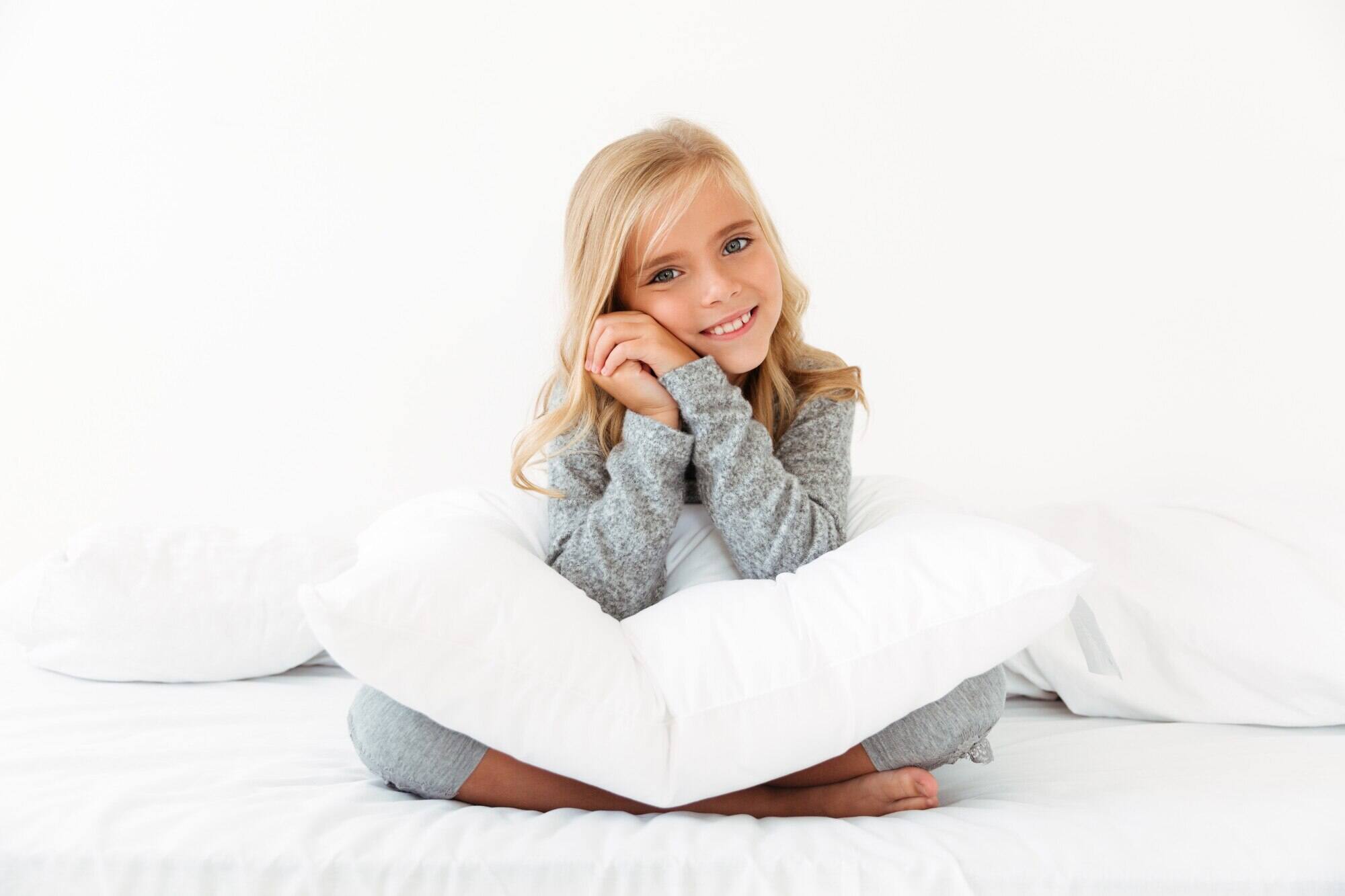
The cleaning and care of pillowcases used for children is highly important for creating a healthy sleep environment. Regularly cleaning these items that come into direct contact with your child's skin prevents the buildup of bacteria and allergens. This guide will detail how to wash children's pillowcases, points to consider in their care, and healthy cleaning methods.
General Washing Instructions for Children's Pillowcase Cleaning
The steps to follow when washing children's pillowcases may vary depending on the fabric of the case and your child's needs. However, in general, the following basic points should be considered:
- Machine washing: Pillowcases can generally be washed in the washing machine. For delicate fabrics, washing at a low temperature (30-40 degrees Celsius) is recommended. This temperature both preserves the color of the fabric and effectively cleans germs. Furthermore, a delicate cycle should be selected.
- Hand washing: Hand washing may be preferred when the pillowcase fabric is delicate or when more careful cleaning is required. Washing with soapy water and gentle motions prevents damage to the fabric.
- Choosing the right detergent: Hypoallergenic and chemical-free detergents are ideal choices to avoid harming children's sensitive skin. To prevent allergic reactions, unscented and mild detergents should be preferred.
How Often Should Pillowcases Be Washed?
The washing frequency of pillowcases used by children is quite important for hygiene and health. Ideally, children's pillowcases should be washed once a week. However, more frequent washing may be necessary in certain situations:
- During illnesses: When your child is sick or experiencing an allergic reaction, you should wash the pillowcase more frequently to prevent the spread of bacteria and viruses.
- During summer months: Since sweating increases during the summer, covers may need to be washed more frequently to remain hygienic. Sweat creates a favorable environment for bacteria to grow.
- Visible dirt accumulation: If you notice stains, dirt, or bad odors on the cover, you should wash it immediately. Especially food stains and the accumulation of body oils affect the hygiene of the pillowcase.
Cleaning Products to Use When Washing Children's Pillowcases
Since your child's skin is sensitive, the products used during cleaning must be safe and effective. If the wrong products are used, skin irritation, allergic reactions, and health issues may occur. The following products are the most suitable cleaning products for children's pillowcases:
- Hypoallergenic detergents: To prevent allergic reactions, these chemical- and fragrance-free detergents reduce the risk of skin irritation and provide a safe cleaning for children's skin.
- Natural cleaners: Natural cleaning products like baking soda and white vinegar are ideal for children's items as they are both chemical-free and provide effective cleaning. They are a safe and economical choice, especially for parents seeking organic cleaning.
- Special products for allergic children: For allergic children, chemical-free and hypoallergenic detergents should be used. Natural cleaning products can also be a safe choice.
How to Remove Stains from Children's Pillowcases
Tough stains may occasionally form on pillowcases used by children. Situations such as food stains, crayon marks, or vomiting necessitate regular cleaning of the cover. The most effective cleaning methods for such stains are as follows:
- Food stains: To remove stains caused by food or drink spilling on your child's pillowcase, it will be effective to intervene quickly with cold water and soap while the stain is still fresh. You can make the stain easier to remove by sprinkling baking soda on it.
- Ink and paint stains: Children often play with ink or crayons, which can leave marks on pillowcases. To remove these stains, you can apply a mixture of lemon juice and salt and let it sit for a while. However, lemon juice should only be used on white pillowcases; it should not be used for colored fabrics.
- Tough stains like vomit: To deal with tough stains like vomit, you can use a mixture of baking soda and white vinegar. This mixture both cleans the stains and neutralizes bad odors.
Common Mistakes When Washing Children's Pillowcases
Some common mistakes made while washing children's pillowcases can lead to damage to the fabric or incomplete hygiene. Avoiding these mistakes both extends the life of the case and ensures healthier use:
- Washing at the wrong temperature: Washing the pillowcase in very hot water can cause the fabric to shrink and fade. The recommended temperature is between 30 and 40 degrees Celsius. Washing at this temperature ensures hygiene while preventing damage to the fabric.
- Excessive detergent use: Excessive use of detergent can leave residue on the cover. These residues can cause irritation on your child's skin. It is important to adjust the detergent amount according to the usage instructions.
- Not rinsing the cover sufficiently: Make sure the cover is rinsed well so that detergent residues are completely cleaned. Unrinsed detergent can cause itching and allergic reactions on the skin.
Natural Cleaning Methods: Washing Without Using Chemicals
You can also perform effective cleaning with natural materials by avoiding chemical-containing cleaning products. To both protect your children's health and provide environmentally friendly cleaning, you can use these natural methods:
- Vinegar and baking soda: While vinegar is known as a natural disinfectant, baking soda effectively removes stains and bad odors. You can clean the pillowcase by applying these two materials. They are particularly effective for stubborn stains and bad odors.
- Lemon juice: Lemon juice is both a natural whitener and has stain-removing properties. However, this method should only be used on white pillowcases; using lemon juice on colored fabrics may cause color fading.
Methods for Drying and Storing Children's Pillowcases
Drying and storing pillowcases correctly after washing is important for their longevity. Incorrect drying methods can cause the fabric to shrink or fade. Here are some suggestions:
- Drying in the sun: Sunlight provides a natural antibacterial effect. Drying pillowcases in direct sunlight for a short time kills germs while leaving a fresh scent. However, staying in the sun for a long time can cause color fading.
- Tumble dryer: If you are using a tumble dryer, drying on low heat prevents damage to the fabric. High heat can deteriorate the texture of the cover and cause it to shrink.
- Storage: Storing pillowcases in a dry and cool place prevents moisture and mold formation. Additionally, folding the covers properly and storing them in breathable cloth bags ensures they are long-lasting.
Use and Care of Anti-Allergic and Antibacterial Pillowcases
Anti-allergic and antibacterial pillowcases are highly beneficial, especially for allergic children. To maintain the hygiene of such covers, regular maintenance and correct cleaning methods must be applied:
- Anti-allergic pillowcases: Washing at low temperatures with hypoallergenic detergents is recommended. Maintenance performed with chemical-free cleaning products minimizes the risk of allergic reactions.
- Antibacterial covers: Antibacterial pillowcases must be washed at regular intervals to remain hygienic. Cleaning done with natural materials helps preserve the antibacterial properties of these covers.

Share:
Bed Cleaning and Long-Term Use Tips for Children
How to Improve Sleep Quality?