


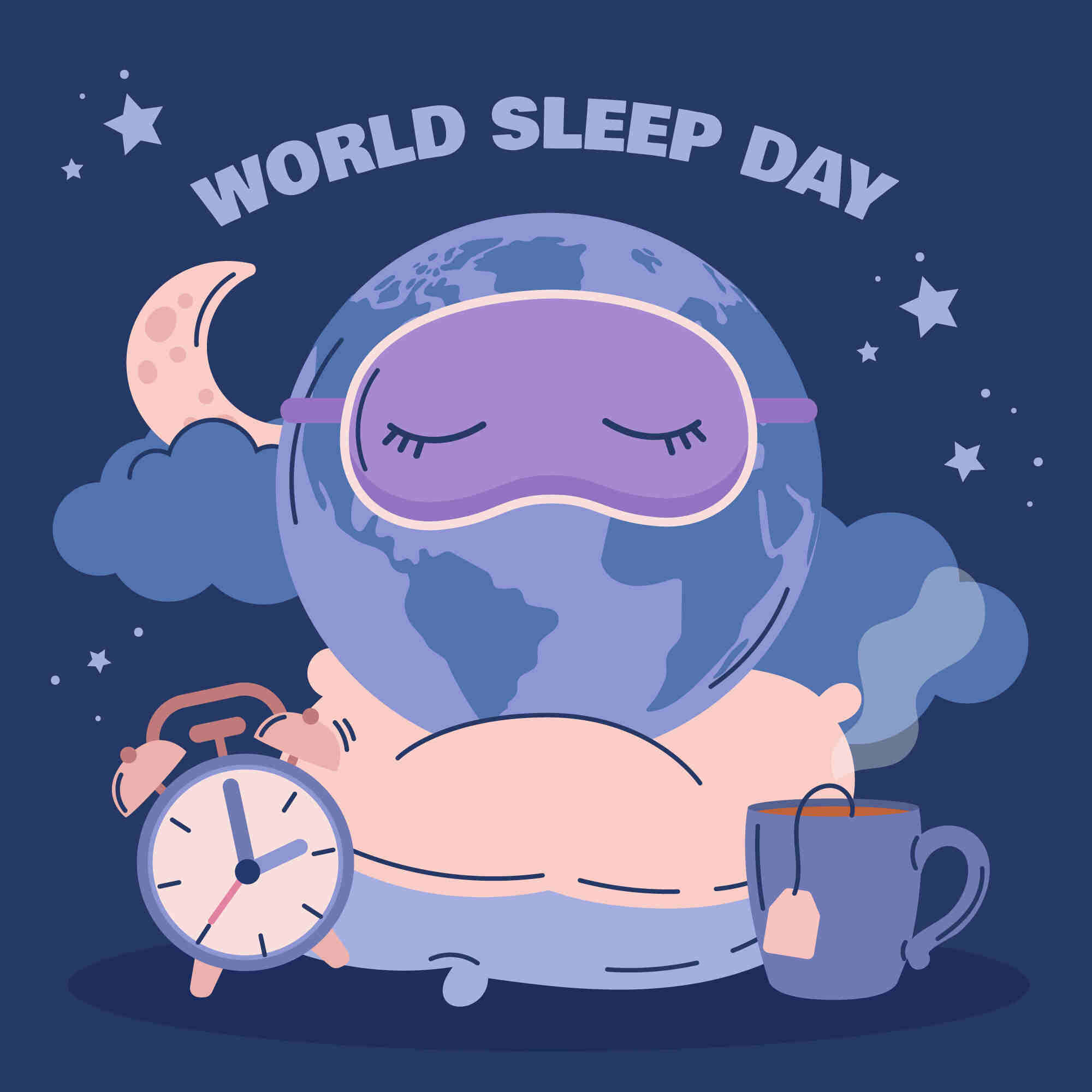
World Sleep Day is celebrated every year on the third Friday of March. In 2025, World Sleep Day falls on Friday, March 14. This special day aims to draw attention to sleep health and raise awareness for the prevention and treatment of sleep disorders. Events organized under the leadership of the World Sleep Society ensure that the importance it deserves is given to sleep, the cornerstone of a healthy life.
What is the Importance of Sleep?
Sleep is a vital process during which our bodies and minds are renewed. Quality sleep strengthens our immune system, supports brain functions, and improves our mood. The primary benefits of sleep are as follows:
- Physical Renewal: It is the process during which muscles, organs, and cells repair themselves.
- Mental Rest: It improves learning, memory, and problem-solving abilities.
- Emotional Balance: It lowers stress levels and improves mood.
- Preventing Diseases: It reduces the risk of diabetes, obesity, and heart disease.
Sleep should be in harmony with the circadian cycle, which is our body's biological rhythm. When this cycle is disrupted, health problems can occur.
How Many Hours of Sleep are Enough?
Every individual's sleep needs vary depending on their age, lifestyle, and genetic factors. However, the ideal sleep duration for adults is generally stated as 7-9 hours. Sleeping less or more can lead to negative health outcomes.
Is 8 Hours of Sleep Enough?
Yes, for most adults, 8 hours of sleep is ideal. This duration ensures renewal both physically and mentally. However, for some individuals, 7 or 9 hours of sleep might be more suitable.
Is 7 Hours of Sleep Enough?
For some individuals, 7 hours of sleep can be sufficient. Especially for people working in a fast-paced environment, this duration is considered ideal to maintain energy levels throughout the day.
Is 6 Hours of Sleep Enough?
6 hours of sleep is generally insufficient. In the long term, this duration can lead to a weakened immune system, lack of focus, and chronic fatigue.
Is 5 Hours of Sleep Enough?
5 hours of sleep is only acceptable in short-term situations. However, consistently sleeping this little can increase the risk of heart disease and obesity.
Is 4 Hours of Sleep Enough?
4 hours of sleep can lead to serious health problems. Mental functions significantly decline, and the immune system weakens.
Is 3 Hours of Sleep Enough?
3 hours of sleep is definitely insufficient. This duration can only be tolerated temporarily in extraordinary circumstances, but the risk of permanent damage is high.
Is 20 Minutes of Sleep Enough?
20 minutes of sleep is only considered a nap. This short sleep can provide a temporary boost in energy, but it is definitely not sufficient for full rest.
Sleep Duration by Age Group
Sleep needs vary greatly depending on age. Here are the recommended sleep durations for each age group:
How Many Hours Should Babies Sleep?
For newborns, the daily sleep duration ranges between 14-17 hours. This duration is critical for growth and development.
How Many Hours Should Children Sleep?
The ideal sleep duration is 10-13 hours for preschool children, and 9-11 hours is recommended for school-age children.
How Many Hours Should Teenagers Sleep?
For teenagers, the need for sleep is between 8-10 hours. During this period, quality sleep is very important due to hormonal changes.
How Many Hours Should Adults Sleep?
The recommended sleep duration for adults is between 7-9 hours. This duration is ideal for maintaining general health and energy levels.
How Many Hours Should the Elderly Sleep?
The ideal sleep duration for elderly individuals is determined to be 7-8 hours. However, during this period, sleep patterns may be disrupted and the need for napping during the day may increase.
What Happens If We Sleep Without a Pillow?
Sleeping without a pillow can be beneficial for spine health in some cases. Especially for people who sleep on their backs, sleeping without a pillow can maintain natural spinal alignment. However, sleeping without a pillow in face-down or side-sleeping positions can cause neck and back pain. The ideal pillow selection should be made according to sleep position and individual needs.
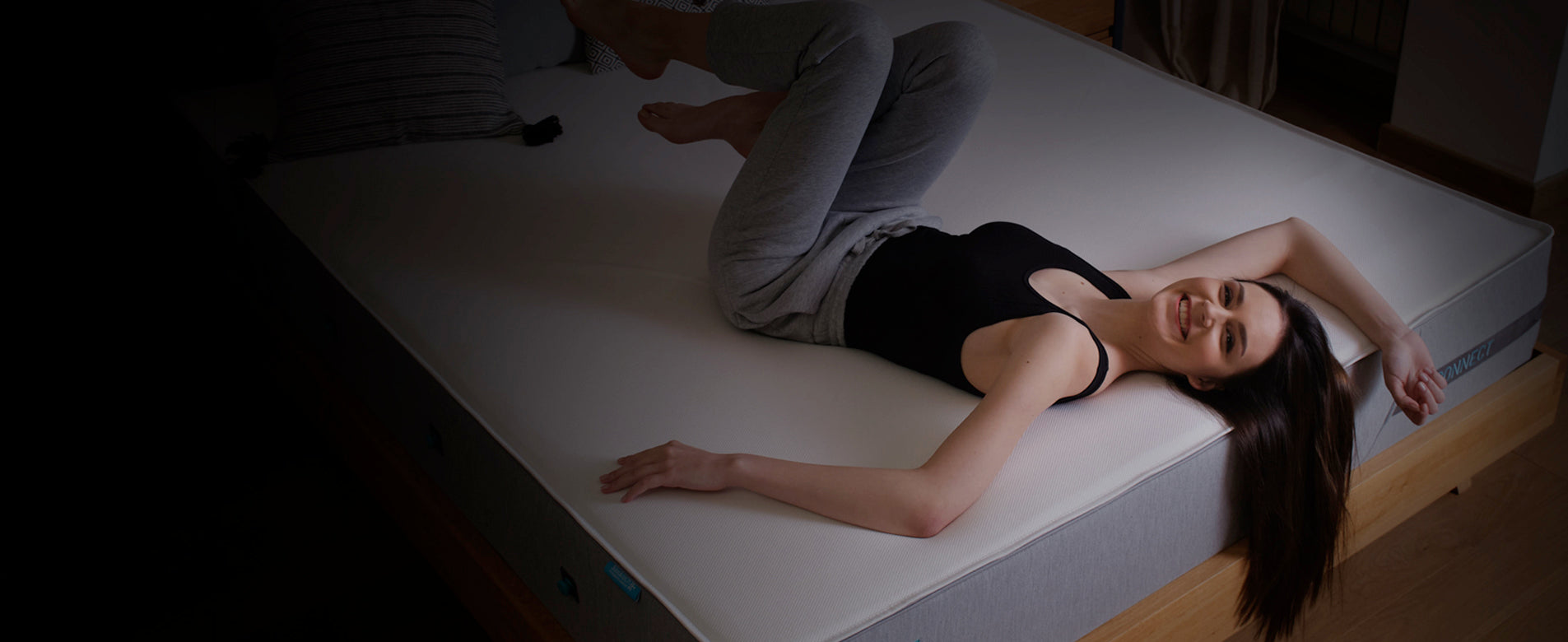
What Should a Mattress Be Like for Comfortable Sleep?
For comfortable sleep, a mattress must have the following features:
- Orthopedic Support: It should correctly align the spine.
- Air Permeability: It should be produced from materials that prevent sweating.
- Size: Mattress dimensions should be wide enough for the person to move comfortably.
- Material Quality: Visco or latex mattresses provide comfort and support.
The firmness level of the mattress should be suitable for the individual's sleep position and body type. A good mattress directly affects sleep quality.
Frequently Asked Questions (FAQ) About World Sleep Day
Does the mattress affect sleep quality?
Yes, mattress selection directly affects sleep quality. The wrong mattress choice can lead to back pain, restlessness, and poor sleep quality.
What time should I go to sleep to wake up at 6:30 AM?
To wake up at 6:30 AM, you should ideally go to sleep between 10:30 PM and 11:00 PM. This duration ensures you get at least 7-8 hours of sleep.
What happens if I don't sleep at all at night?
Sleeplessness at night leads to the impairment of mental and physical functions, fatigue, lack of focus, and weakening of the immune system. Staying awake for a long time can cause serious health problems.
How to fall asleep quickly?
To fall asleep quickly, you can do the following:
- Create a relaxing sleep routine.
- Keep your bedroom dark and quiet.
- Stay away from technological devices.
- Try deep breathing techniques.
- Avoid caffeine and sugar consumption.
Does sleeping little cause weight gain?
Yes, lack of sleep can disrupt hormonal balance and lead to weight gain. Especially its effect on leptin and ghrelin hormones can increase appetite.
Can a person sleep for 15 hours?
Yes, but this is usually not normal. Excessive sleep can be a sign of an underlying health problem.
Is sleeping for 12 hours harmful?
Regularly sleeping for 12 hours is called hypersomnia and can be a symptom of depression, thyroid problems, or sleep disorders.



Share:
Bed Cleaning and Long-Term Use Tips for Children
How to Improve Sleep Quality?