


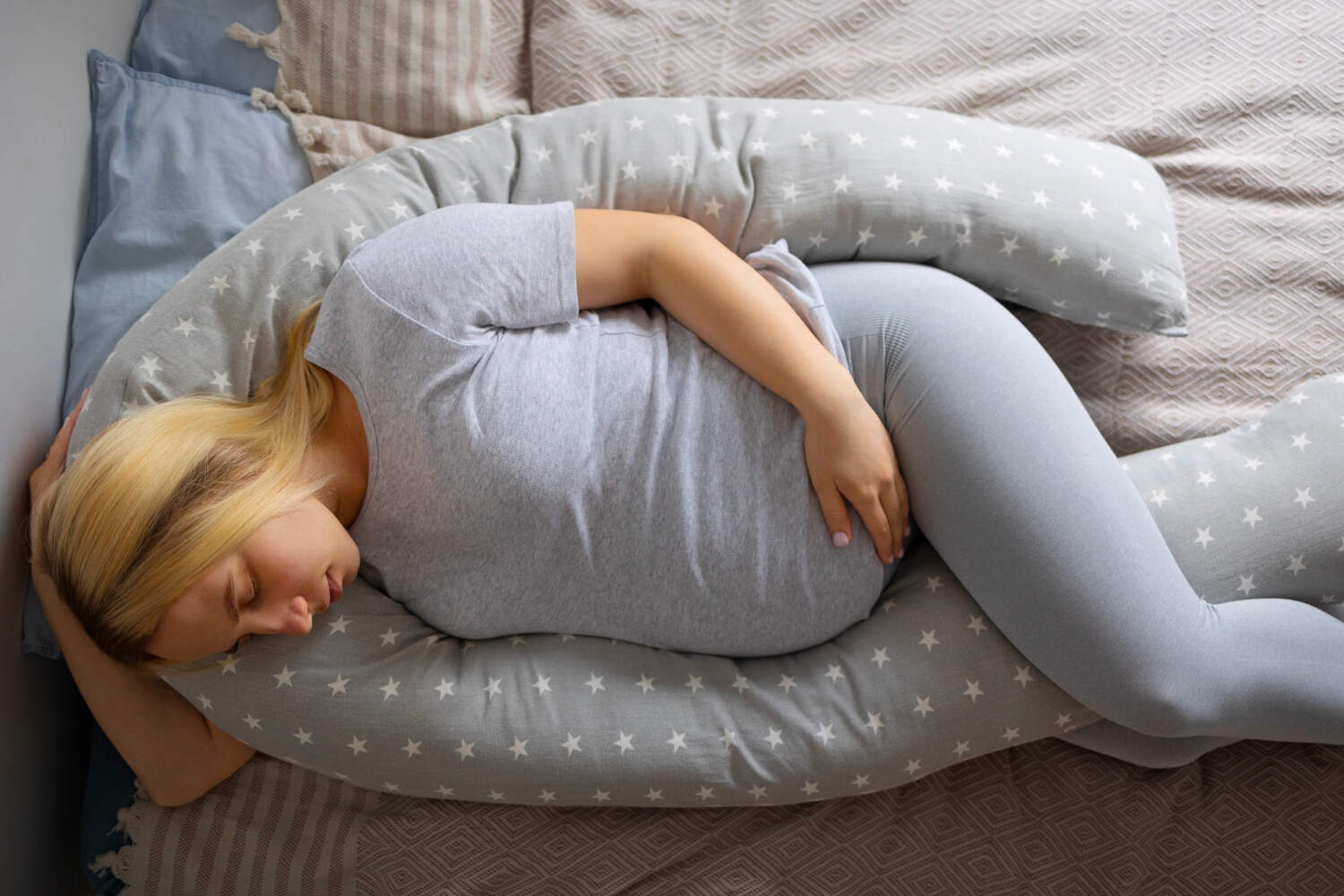
Pregnancy pillows are specially designed pillows that help expectant mothers find a comfortable sleeping position. However, with regular use, these pillows can become dirty over time, and it is necessary to clean them properly to maintain hygiene. Different washing methods should be preferred based on the pillow's material, shape, and functions. The answer to the question of how to wash a pregnancy pillow may vary depending on the material the pillow is made of and the washing instructions on it. Below, you can find detailed information on how to properly clean and maintain pregnancy pillows.
Pregnancy Pillow Washing Instructions
Every pregnancy pillow comes with washing instructions provided by the manufacturer regarding how it should be cleaned. These instructions are very important to ensure the pillow does not wear out and lasts a long time. Pregnancy pillow washing instructions generally vary depending on the pillow's inner filling and outer cover. Before washing the pillow, you should follow these steps:
-
Check the Label: Be sure to read the washing instructions on the label attached to the pillow. The manufacturer may provide important information such as the temperature at which the pillow should be washed and which detergents should be used.
-
Detergent Selection: Prefer mild and hypoallergenic detergents. Harsh chemicals can damage the pillow's material.
-
Washing Temperature: Pregnancy pillows should generally be washed at low temperatures. Excessive heat can cause the filling to deteriorate or the pillow to lose its shape.
-
Gentle Wash Cycle: If you are going to machine wash, choose a gentle wash cycle. This prevents the pillow from wearing out.
Washing Methods Based on Pregnancy Pillow Material
Pregnancy pillows can be made from different materials, and each material requires its own unique cleaning methods. Pregnancy pillow material is one of the most important factors in determining the cleaning process. Knowing what material the pillow is made of allows you to choose the correct washing method. Now, let's take a look at how pregnancy pillows made from different materials should be washed.
Cotton Pregnancy Pillows
Since cotton is a natural and breathable material, it is frequently preferred for pregnancy pillows. Washing a cotton pregnancy pillow can generally be done in a machine. However, it is important to pay attention to these details:
-
Machine Washing: Cotton pillows are generally suitable for machine washing. A gentle wash cycle and low-temperature (30-40°C) washing are recommended.
-
Detergent Selection: Mild and hypoallergenic detergents should be preferred.
-
Drying: Air-drying the pillow after washing is important for the filling to retain its form. Machine drying can cause cotton pillows to wear out quickly.
Microfiber Pregnancy Pillows
Microfiber is a soft and lightweight material. However, this material is sensitive to excessively hot water and harsh detergents. The following steps should be followed for washing a microfiber pregnancy pillow:
-
Cold Water Washing: Microfiber pillows should be washed at low temperatures. Hot water can damage the microfiber fibers.
-
Low Spin Cycle: Choosing a low-spin cycle during washing will help the pillow maintain its form.
-
Use of Gentle Detergent: Microfiber material should be cleaned with mild detergents. Otherwise, the fibers may get damaged.
Latex or Foam Pregnancy Pillows
Pillows made of latex or foam material are more sensitive to water. It should be remembered that they should not be exposed to too much water during the cleaning of a latex pregnancy pillow. Hand cleaning should generally be preferred for these types of pillows:
-
Do Not Use Direct Water: These materials do not absorb water and can lose their structure when they come into contact with water. The surface of the pillow should be wiped with a slightly damp cloth.
-
Mild Detergent: Gently clean the surface with a mixture of mild detergent and water.
-
Air Drying: They should not be exposed to direct sunlight after cleaning. They should be dried in a cool and airy environment.
Washing the Pillowcase
Pregnancy pillowcases are the most important part that protects the exterior of the pillow. Washing a pregnancy pillowcase can generally be done in a machine. The points you need to pay attention to when washing the case are as follows:
-
Wash the Case Separately: Separate the pillowcase from the pillow and wash it according to the instructions.
-
Color-Protecting Detergent: You can prevent the colors from fading by using color-protecting detergents for colored cases.
-
Low Temperature: Cases should also generally be washed at low temperatures (30-40°C).
Pregnancy Pillow Drying Methods
Just as washing the pillows is important, drying them correctly is equally important. You can pay attention to the following methods during the pregnancy pillow drying process:
-
Natural Drying: Pillows should be dried in natural air if possible. It is important to avoid sunlight, especially for latex and foam pillows.
-
Machine Drying: Cotton or microfiber pillows can be machine dried on low heat. However, check frequently to ensure the pillow has not lost its form.
Machine-Washable Pregnancy Pillows
Some pregnancy pillows are suitable for machine washing. You can follow these steps by acting according to the machine-washable pregnancy pillow instructions:
-
Preparation: Before putting the pillow in the machine, remove the case and close the zipper.
-
Gentle Cycle: Wash in the machine at a low spin speed and temperature.
-
Extra Rinse: You can do an extra rinse to prevent the filling material from retaining soap residue.
Pregnancy Pillows Requiring Hand Washing
Some delicate materials should be washed by hand. The appropriate steps for a hand-wash pregnancy pillow are as follows:
-
Gentle Cleaning: Wipe the surface of the pillow with water and mild detergent.
-
Short-Term Water Contact: Clean the pillow without exposing it to too much water and rinse thoroughly.
Frequency of Cleaning a Pregnancy Pillow
The material and usage of the pillow affect the frequency of cleaning. The pregnancy pillow cleaning frequency is generally as follows:
-
Monthly Cleaning: It is recommended to wash it at least once a month to maintain the pillow's hygiene.
-
Delicate Pillows: Foam or latex pillows should be cleaned less frequently.
Regular cleaning of your pregnancy pillow is very important for hygiene and comfort.



Share:
What Is a Siesta? The Benefits and Culture of Siesta Sleep
Why Do We Suddenly Feel Sleepy? What Are the Reasons?