


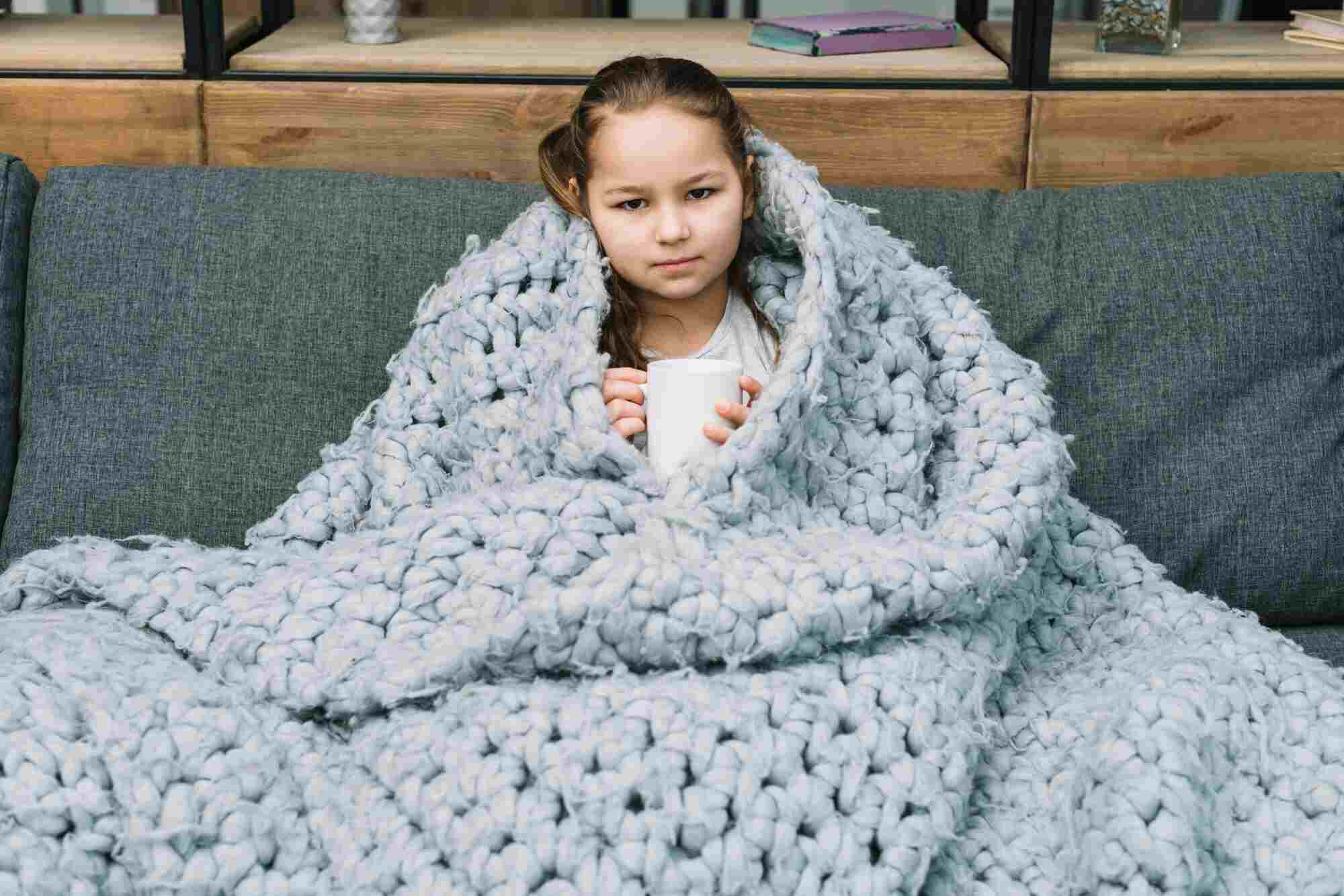
Ensuring our children sleep warmly and comfortably during the winter months is critically important for their healthy development. Choosing the right bed cover keeps children warm throughout the night and helps protect them from the negative effects of harsh winter weather conditions. In this guide, you can find everything you need to pay attention to when choosing the best winter bed covers for children.
3 Critical Points to Consider When Choosing Winter Bed Covers for Children
1. Choosing the Right Material: Which Fabrics Provide Warmth?
The types of fabrics used to keep your children warm in winter are quite important. Here are the most preferred bed cover fabrics known for their heat-retaining properties:
- Fleece: With its thick structure and high heat-retention capacity, fleece is an excellent choice for cold weather.
- Wool: A natural material, wool provides excellent thermal insulation and prevents your child from getting cold throughout the night.
- Microfiber: Lightweight and breathable, microfiber offers a comfortable option due to its thin structure, even if it is not as warm as fleece.
- Cotton: Breathable cotton fabrics are known for being skin-friendly and are ideal for children prone to allergies. However, cotton can retain moisture; therefore, it should be used carefully in winter.
2. Bed Covers Suitable for Children's Skin Health: Hypoallergenic Materials
For children's sensitive skin, hypoallergenic materials should be preferred when choosing a bed cover. These fabrics do not cause allergic reactions and prevent skin irritation. Hypoallergenic bed covers offer an excellent solution, especially for children at risk of allergies.
3. A Healthy Winter with Thermally Insulating Bed Covers
Winter bed covers that keep you warm not only provide comfort but also protect children's health by balancing their body temperature. In particular, fabrics like wool and fleece ensure your child sleeps comfortably without getting cold throughout the night.
How to Choose the Most Appropriate Bed Cover by Age?
Each age group has different needs. Here are the points to consider when choosing age-appropriate bed covers for your children:
Safe and Warm Bed Covers for Babies: Lightweight and Breathable Options
When choosing a bed cover for babies, thick and heavy covers should be avoided. These covers can pose a risk of suffocation for babies. Instead, lightweight and breathable sleeping bags or thin cotton covers should be preferred.
Fun and Warm Bed Covers for Children Aged 3-7
Children in this age group are active and require durable bed covers. Fleece bed covers are a suitable choice for this age group as they are both warm and lightweight. Additionally, you can add joy to the child's room with fun patterns and colors.
Stylish and Comfortable Options for Adolescents
Children in their adolescent years tend toward simpler and more mature designs. Microfiber and cotton bed covers appeal to this age group with their light and comfortable structures.
The Warmest and Most Comfortable in Winter: Different Types of Bed Covers
You can choose one of the different types of bed covers according to your child's needs. The benefits offered by each help your child sleep comfortably and warmly in the winter months.
Fleece Bed Covers: Warmth and Softness Combined
Fleece bed covers are an ideal choice for cold winter months with their thick structure and warmth-retaining properties. Their lightweight and comfortable structure ensures children do not feel weight on them while sleeping.
Natural Comfort with Cotton and Wool Blend Bed Covers
Cotton and wool blend bed covers are made from natural materials and are both warm and skin-friendly. These materials provide a comfortable sleep without harming your child's skin.
Microfiber Bed Covers: Lightweight and Easy Cleaning
Microfiber bed covers stand out with their lightweight and durable structure. Being easy to clean and quick-drying makes microfiber covers a practical option.
Ways to Increase Comfort in Children's Bedrooms During Winter
To create a warm and comfortable environment in your child's room in winter, you can use a few simple but effective methods:
- Add Joy to the Room with Color and Pattern Options: You can create both a stylish and warm atmosphere by choosing covers in colors that suit your child's room and in fun patterns.
- Extra Layers and Blankets to Support Thermal Insulation: Blankets and layers that you can use in addition to the bed cover will provide extra thermal insulation.
- Cleaning and Care of Winter Bed Covers: It is important to follow care instructions for long-lasting and hygienic bed covers. They should be washed in a washing machine at the appropriate temperature and drying instructions should be observed.
Warm and Healthy Sleep: Health Benefits of Winter Bed Covers
Bed covers that balance your children's body temperature in winter not only ensure a comfortable sleep but also protect their health. Thermally insulating bed covers help prevent illnesses such as colds and the flu.
Protection Against Allergies with Hypoallergenic Bed Covers
Hypoallergenic bed covers prevent allergic reactions and ensure that children sleep in a healthy environment. Especially for children prone to allergies, such covers can be an excellent choice.
Bed Cover Features That Increase Sleep Quality
A quality bed cover helps your child sleep uninterrupted throughout the night. A comfortable and warm bed cover contributes to your child falling into a deeper sleep and feeling refreshed when they wake up.


Share:
What Is a Siesta? The Benefits and Culture of Siesta Sleep
Why Do We Suddenly Feel Sleepy? What Are the Reasons?