


Sleep, which accounts for approximately one-third of our lives, is a rest interval during which brain functions continue and the body regenerates itself. Everything done to ensure that sleep is uninterrupted and of high quality during this period is called sleep hygiene. Major problems arising from poor sleep hygiene include stress, fatigue, lethargy, depression, and many others. So, what is sleep hygiene and how can a healthy sleep hygiene be established?
How to Ensure Sleep Hygiene?
The sleep you get at night is of great importance for feeling energetic during the day and maximizing brain function. The more hygienic and healthy your sleep is, the more happiness and energy you will have throughout your waking hours. When this healthy sleep routine, also known as sleep hygiene, cannot be established, numerous problems related to tension, nervousness, stress, depression, lack of concentration, fatigue, and the immune system can arise. For this reason, quality sleep is essential to increase the efficacy of sleep, and some basic sleep hygiene rules can be applied for this:
- Going to bed at the same time every night and waking up at the same time each day helps in establishing a certain sleep routine.
- Maintaining your normal sleep habits on weekends and other holidays prevents the disruption of your sleep rhythm.
- Avoiding daytime naps prevents potential delays in falling asleep at night.
- Light stretching exercises performed before bed relax the body, making it easier to fall asleep more quickly.
- Leaving digital devices such as computers and phones away when getting into bed prevents sleep-deprivation problems.
- Eating, consuming caffeine, and drinking alcohol before bedtime disrupts sleep patterns and lowers sleep quality. Avoiding these helps you sleep more comfortably.
- Drinking excessive amounts of water right before sleep causes the need to wake up frequently to go to the toilet during the night. Avoiding this habit makes it easier to sleep uninterrupted, thereby improving sleep quality.
In addition to all these suggestions, the comfort and convenience of your chosen mattress is also a factor that affects sleep hygiene. In fact, even if your hygiene steps are correct, choosing the wrong mattress can worsen overall sleep health.
The Effect of the Mattress on Sleep Hygiene
In order to increase the quality of sleep, sleep hygiene tips may not always be sufficient because the most important parameter that closely affects this situation is the choice of mattress. Not choosing a mattress suitable for one's height, weight, and sleeping position causes frequent waking during the night, thus lowering sleep quality. Furthermore, it leads to problems such as bad odor and discomfort due to night sweats, and sometimes increases the risk of physical injury by not providing sufficient support to the musculoskeletal system. All of these factors are considerations when establishing a healthy sleep hygiene.
- Supports the musculoskeletal system by consisting of different layers,
- Distributes weight evenly across the mattress while cradling the body,
- Allows couples to sleep without being affected by each other's movements,
- Prevents sweating and odor problems with an ideal moisture level,
- Provides deep hygiene in the mattress with its self-cleaning feature,
- Made from natural and anti-allergic materials
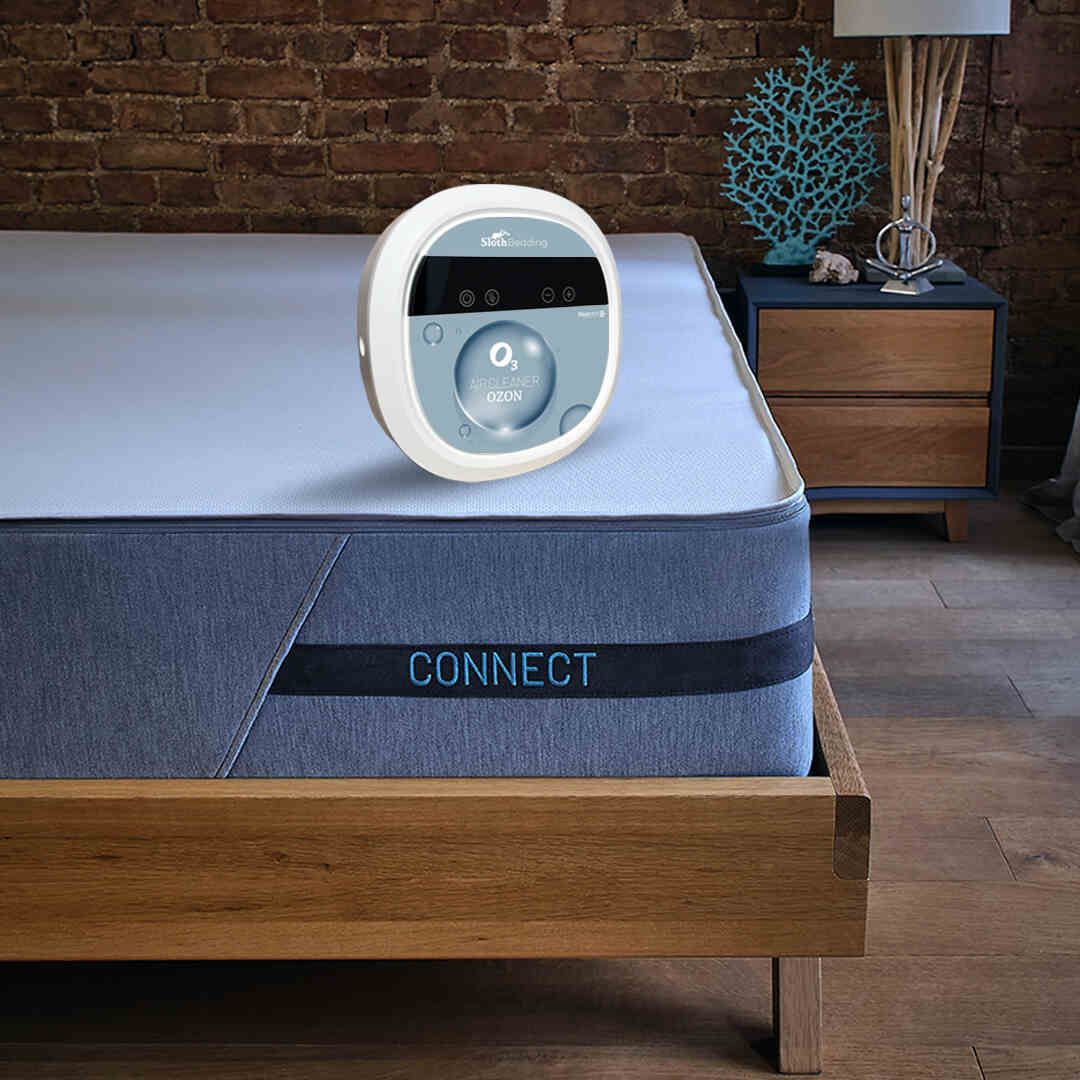
All of Sloth Bedding’s mattress varieties help perfect sleep hygiene. To improve sleep quality, these mattresses, which use Air Clean technology, deliver ozone gas to all parts of the mattress through 4 air channels in the sponge layer. In this way, it ensures the elimination of all harmful microorganisms such as germs, viruses, and fungi trapped inside the mattress, from the bottom layer to the top layer. As a result, it maximizes sleep hygiene by offering a much more sterile, healthy, and comfortable sleep.
You too can improve your sleep standards with one of Sloth Bedding’s high-performance mattresses and start the day feeling energetic, happy, and rested. You can consult with Sloth Bedding officials to answer your question of “What should be done for sleep hygiene” and find the most ideal solutions for yourself.



Share:
Bed Cleaning and Long-Term Use Tips for Children
How to Improve Sleep Quality?