


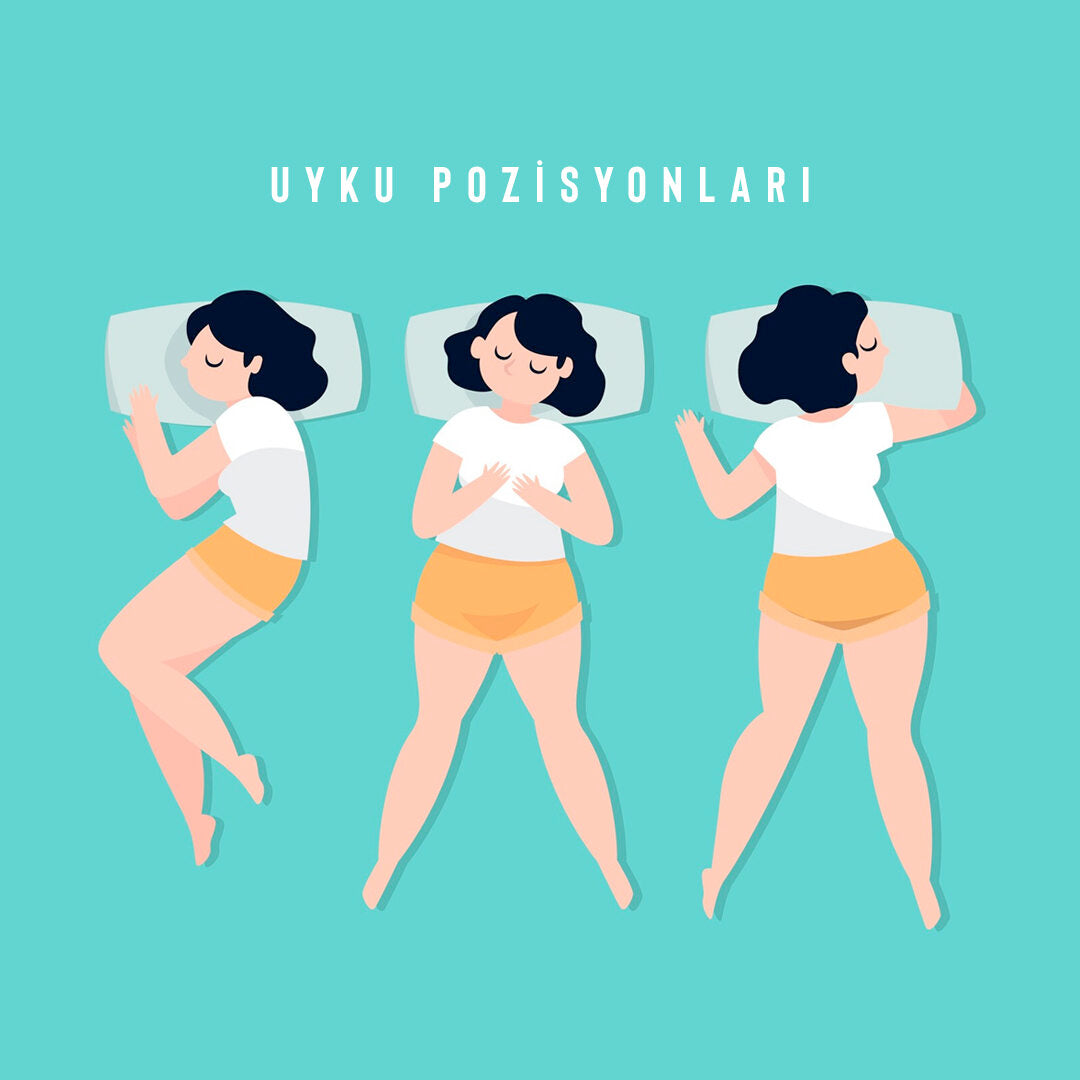
Sleep is one of the cornerstones of a healthy life. We need sleep to shed our daily fatigue and for our minds to regenerate. However, sleep quality is not only related to the duration of our sleep but also directly linked to the body positions we assume during sleep. In this article, you will find detailed information about the importance of correct body position, basic sleeping positions, and their effects on health.
What Is the Correct Body Position and Why Is It Important?
The correct body position is a critical factor for spinal health and overall sleep quality. Proper alignment of the body reduces muscle and joint pain, keeps airways open, and improves blood circulation. Consequently, a deeper and more restful sleep is achieved.
What Are the Basic Sleeping Positions and Their Effects on Health?
Sleeping on the Back
Sleeping on the back is one of the most ideal positions for spinal health. This position ensures the natural alignment of the spine and neck region and reduces the risk of heartburn. However, it may not be suitable for people with snoring and sleep apnea issues.
Sleeping on the Side
Sleeping on the side, especially on the left side, is recommended for pregnant women and those suffering from heartburn. This position increases blood circulation and reduces the risk of reflux. However, since it can cause shoulder and hip pain, selecting the right pillow and mattress is important.
Sleeping on the Stomach
Sleeping on the stomach is one of the most harmful positions for the spine and neck. This position can cause lower back and neck pain and makes breathing more difficult. Those who have to sleep on their stomachs can reduce the pressure on their neck by using a low-profile pillow.
What Are the Ideal Sleeping Positions for Spinal Health?
Sleeping Positions That Support the Spine
Sleeping positions that support the spine maintain the body’s natural curves and reduce muscle tension. Placing a pillow under your knees while sleeping on your back or placing a pillow between your knees while sleeping on your side ensures the natural alignment of the spine.
Using Pillows to Maintain Spinal Health
Pillow selection varies depending on the sleeping position. Those who sleep on their backs should use a medium-thickness pillow that provides neck support. Those who sleep on their sides should prefer thicker pillows for head and neck support. Those who sleep on their stomachs can use a thin pillow to reduce pressure on the neck.
Which Positions Increase and Decrease Sleep Quality?
Sleep quality is directly affected by body position. Sleeping on the side can improve sleep quality by reducing the risk of snoring and reflux. However, sleeping on the stomach can decrease sleep quality by causing neck and lower back pain.
Sleeping Positions and Chronic Pain
Recommended Positions for Lower Back and Neck Pain
For those suffering from lower back and neck pain, sleeping on the back is the most suitable position. Placing a pillow under the knees reduces pressure on the lower back region. For side sleepers, placing a pillow between the knees helps with spinal alignment.
Techniques for Alleviating Chronic Pain
To cope with chronic pain, maintaining the correct body position during sleep is as important as choosing the right pillow and mattress. Additionally, stretching and relaxation techniques before sleep can alleviate pain.
Pregnancy and Sleeping Positions
What Are the Safe Sleeping Positions for Pregnant Women?
The safest sleeping position for pregnant women is sleeping on the left side. This position increases blood circulation and improves blood flow to the baby. At the same time, it reduces pressure on the lower back region.
Tips for Comfortable Sleep During Pregnancy
For a comfortable sleep during pregnancy, pillows can be placed between the knees and behind the back. Furthermore, body pillows also provide extra support for pregnant women.
What Are the Sleeping Positions for the Elderly?
For the elderly, sleeping on the back is recommended to protect spinal health and reduce joint pain. Sleeping on the side may also be suitable, but the use of pillows is important to provide shoulder and hip support.
What Are the Sleeping Positions for Children and Babies?
Safe Sleeping Positions for Babies
The safest sleeping position for babies is sleeping on the back. This position reduces the risk of Sudden Infant Death Syndrome (SIDS). Parents should be careful to ensure that babies do not sleep on their stomachs.
Healthy Sleep Habits for Children
For children, sleeping on the side and sleeping on the back are the healthiest positions. Choosing the appropriate pillow and mattress is also important for children to sleep comfortably.
Respiratory Problems During Sleep and Positions
What Are the Recommended Positions for Sleep Apnea?
For people with sleep apnea, the most suitable position is sleeping on the side. This position helps keep the airways open and reduces the risk of snoring.
What Are Snoring Problems and Their Solutions?
For those experiencing snoring problems, it is important to avoid sleeping on the back. Sleeping on the side is the most effective way to reduce snoring. Additionally, using an appropriate pillow that provides head and neck support can also reduce snoring.
How Should Mattress and Pillow Selection Be Made?
Selecting the right mattress and pillow is of vital importance for sleep quality and spinal health. Orthopedic mattresses and pillows that support the spine ensure body alignment and prevent pain.
Frequently Asked Questions
Which Sleeping Position Is the Healthiest?
Sleeping on the back is the most ideal position for spinal health. However, depending on personal needs and health status, sleeping on the side can also be suitable.
Which Is the Best Position for Respiratory Problems During Sleep?
The best position for respiratory problems such as sleep apnea and snoring is sleeping on the side. This position ensures that the airways remain open.
How Can I Prevent Neck Pain While Sleeping?
To prevent neck pain, using an appropriate pillow that provides neck support is important. Furthermore, sleeping on the back and on the side can reduce neck pain.
Conclusion
The Importance of Correct Body Position During Sleep
The correct body position improves sleep quality, protects spinal health, and reduces chronic pain. Choosing the right position and mattress to suit each individual's needs is important for a healthy sleep.
Final Recommendations for a Healthy Life
Establishing a healthy sleep routine is critically important for physical and mental health. Maintaining the correct body position during sleep and using an appropriate mattress and pillow ensure a more restful and high-quality sleep.



Share:
What Causes Constant Drowsiness? How Can a Sleep Schedule Be Established?
Firm Mattress Or Soft Mattress?