



The question of whether to choose a firm or soft mattress should be evaluated not only in terms of personal comfort but also regarding spinal health, muscle support, and sleep quality. This choice should be made by considering the individual's weight, sleep position, any orthopedic conditions they may have, and their overall body structure.
In general, very firm mattresses may fail to adapt to the natural curves of the body, potentially increasing pressure in certain areas. On the other hand, very soft mattresses cannot support the spine and may cause the body to sink, leading to postural disorders. For this reason, for most users, a medium-firm mattress that offers ergonomic support is the healthiest option.
The right mattress should keep the spine in a neutral position during sleep, allow the muscles to relax, and minimize the risk of waking up with pain in the morning. Choosing a mattress is of serious importance not just for comfort, but also for long-term skeletal health.
Is a Firm or Soft Mattress Healthier?
Whether firm or soft mattresses are “healthier” depends on an individual's physical needs and sleep habits. A one-size-fits-all mattress is not ideal for everyone; the right one is a mattress that supports the spine and distributes body weight evenly.
Firm mattresses can be beneficial, especially for back sleepers and overweight individuals, as they help keep the spine straight. However, very hard surfaces can cause discomfort at pressure points. Soft mattresses can reduce pressure in the shoulder and hip areas for those who are underweight or sleep on their sides; however, they are harmful in the long run if they cause the spine to sag.
A healthy mattress choice is one that provides orthopedic support and has a firmness level suitable for the body's structure. Therefore, the healthiest mattress is one selected based on the person's own needs.
What Are the Benefits of Sleeping on a Firm Mattress?
A firm mattress helps prevent postural disorders by maintaining the natural alignment of the spine, especially in individuals who sleep on their backs. Such mattresses distribute body weight across the entire surface, reducing the risk of sinking and providing more balanced support for the muscles in the back and waist areas.
Sleeping on a firm mattress can provide relief for some individuals suffering from lower back pain, as it prevents the lower spine from arching excessively. Furthermore, it offers long-term structural durability for overweight individuals because it does not sag.
However, for it to be beneficial, the mattress must not only be "firm" but also possess ergonomic features.
Who Is a Firm Mattress Suitable For?
Firm mattresses are generally more suitable for individuals who sleep on their backs, are overweight, or have needs for lower spinal support, such as a herniated disc. This type of mattress keeps the spine in a straight line, preventing the lower back from dipping excessively and avoiding uneven loading of pressure points.
Additionally, firm mattresses may be preferred by people who do not move throughout the night or those who are bothered by the feeling of sinking into the bed. However, the advice of a doctor or physiotherapist should be taken into account based on the individual's condition and sleep position.
What Are the Disadvantages of Sleeping on a Firm Mattress?
Although firm mattresses can be supportive for some, they can cause serious discomfort, especially in underweight individuals and side sleepers. Hard surfaces that do not conform to body contours can create pressure on the shoulders, hips, and waist, leading to circulatory issues and disrupted sleep.
Moreover, sleeping on a very firm mattress can prevent muscles from relaxing throughout the night, leading to stiffness or pain upon waking in the morning. In mattresses where firmness does not translate into ergonomic support, postural disorders can develop over time.
What Are the Benefits of a Soft Mattress?
Soft mattresses offer a comfortable sleeping surface, especially for underweight individuals and those who sleep on their sides. These mattresses allow protruding areas like shoulders and hips to sink into the bed more effectively, reducing pressure points.
As they allow muscles to relax more easily throughout the night, they can improve sleep quality for some. They also conform better to body contours, facilitating the person's adaptation to the bed and gently adjusting to the body as they move.
Who Is a Soft Mattress Suitable For?
Soft mattresses are generally suitable for slender individuals, those who prefer to sleep on their sides, and people with sensitivity in the shoulder or hip areas. These mattresses wrap better around the body's curves, reducing pressure points that may occur, especially in the side-sleeping position.
They can also help alleviate bone and joint sensitivity in older individuals. However, even when choosing a soft mattress, care should be taken to ensure the spine is kept in proper alignment.
What Are the Disadvantages of a Soft Mattress?
Soft mattresses do not provide sufficient support for the spine. For this reason, when used for a long period, spinal alignment is compromised, making lower back, upper back, and neck pain inevitable.
Because the body sinks into the bed, the vertebrae lose their natural position; this causes muscles to strain involuntarily throughout the night, leading to waking up tired and in pain in the morning. A soft mattress is not a healthy option, especially for those who sleep on their backs or stomachs.
Which Mattress Is Healthier?
The healthiest mattress is one that offers orthopedic support suited to body structure and can hold the spine in a neutral position. Neither mattresses that are too firm nor too soft can provide this balance; the ideal is an ergonomic mattress that is medium or medium-firm.
The mattress should distribute body weight evenly, reduce pressure points, and provide support in a way that preserves the natural curve of the spine. This is essential not only for comfort but also for long-term musculoskeletal health. A mattress chosen based on sleep position, weight, and existing conditions is a fundamental element for quality sleep and a healthy life.
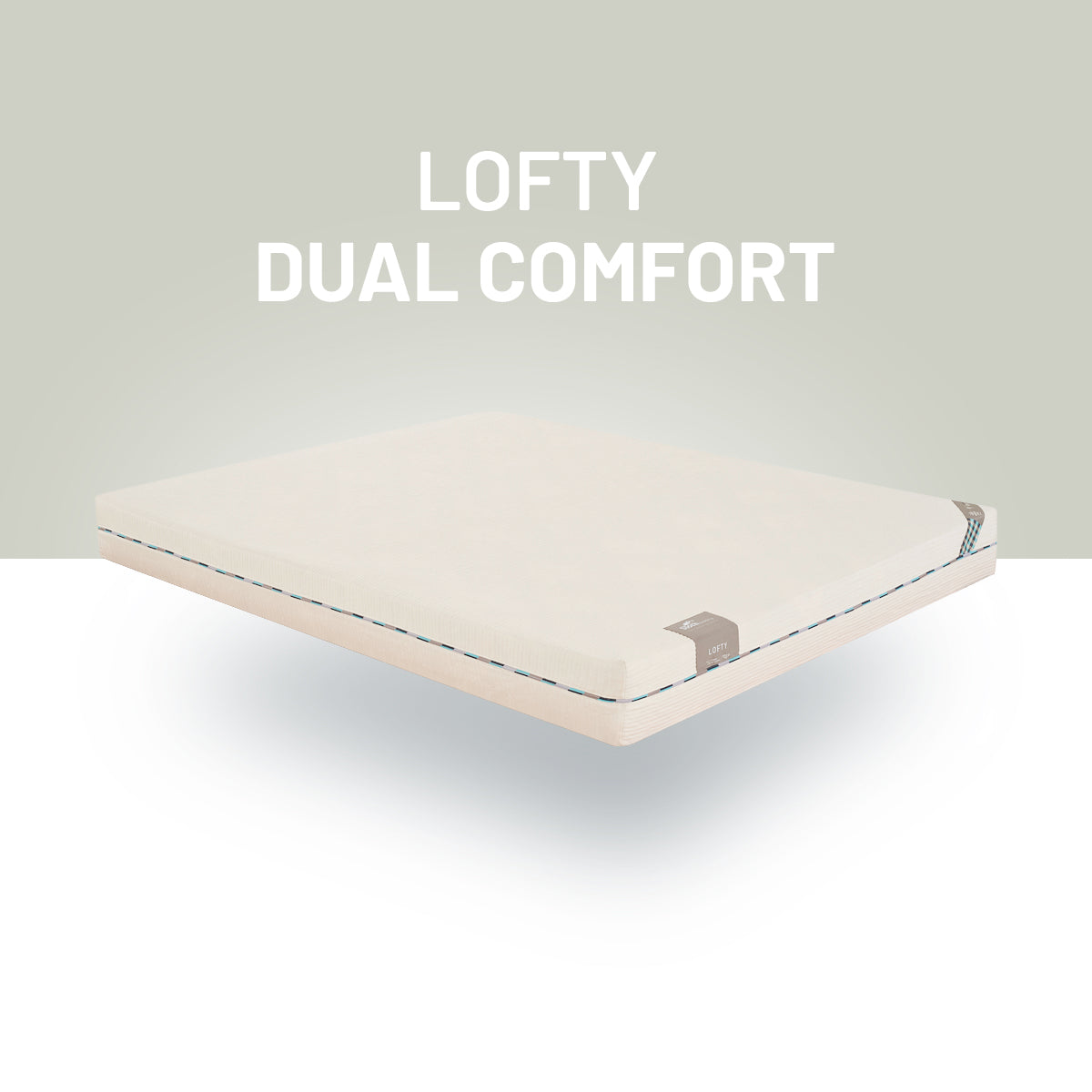
If you are looking for a mattress that can be produced specifically for different body types and needs, with soft, medium, medium-firm, or firm degrees of hardness, you can take a look at our mattress collection.
Frequently Asked Questions (FAQ) About Firm and Soft Mattresses
Is a firm mattress good for back pain?
A correctly chosen firm mattress can alleviate back pain, especially in people who sleep on their backs and need lower back support. However, excessively firm mattresses can strain the muscles and increase pain.
Is it harmful to sleep on a soft mattress?
Yes, it is harmful if the mattress is too soft and fails to support the spine. It can cause postural disorders and back pain, especially in people who sleep on their backs or stomachs.
Is a medium-firm mattress suitable for everyone?
No, the ideal mattress is specific to the individual. A medium-firm mattress is suitable for most users, but the choice should be made by considering weight, sleep position, and health status.
Does the firmness of a mattress change over time?
Yes, low-quality mattresses can sag over time and lose their firmness. Mattresses made with high-quality materials, on the other hand, maintain their form for a long time.
Is body weight important when choosing a mattress?
Yes, body weight is a direct deciding factor in mattress selection. For overweight individuals, firmer mattresses that do not sag are recommended, while lighter individuals receive better support from softer mattresses that conform to the body.


Share:
What Should Be the Correct Body Position During Sleep?
How to Clean Pillows?